A simple explainer on what quantum computing actually is, and why it is terrifying for bitcoin

Quantum computing is revolutionizing the landscape of technology, operating on principles that diverge significantly from traditional computing. At its core, quantum computing leverages the unique characteristics of quantum bits, or qubits, which can exist in multiple states simultaneously–this is often oversimplified as "being 0 and 1 at the same time." The potential implications for cryptography are profound, particularly concerning Bitcoin and other cryptocurrencies, as these systems rely heavily on cryptographic algorithms for security. As quantum computers advance, their ability to break these cryptographic codes could pose an existential threat to Bitcoin, fundamentally undermining its security framework.
To understand the potential risks, we need to delve into the mechanics of Bitcoin's security. Bitcoin operates using public-key cryptography, where a user's private key generates a public key that is visible on the blockchain. This mechanism ensures that only the holder of the private key can access their funds. However, quantum computers have the potential to execute Shor's algorithm, which could efficiently crack the cryptographic keys that underpin Bitcoin’s security. This is particularly concerning as advancements in quantum technology accelerate, leading to fears that Bitcoin's security could be compromised before adequate countermeasures are developed.
The implications for the cryptocurrency market are significant. If quantum computing reaches a stage where it can break Bitcoin's encryption, it could lead to a loss of confidence among investors and users alike. This may result in a sharp decline in Bitcoin's value and a potential collapse of the decentralized finance ecosystem that has been built around it. As the market reacts to the looming threat of quantum computing, we may see increased volatility, with investors seeking safer assets or alternative cryptocurrencies that have robust security protocols against quantum attacks.
Industry experts are increasingly vocal about the need for proactive measures in light of these developments. Some are advocating for the integration of quantum-resistant algorithms into Bitcoin's code, while others suggest a complete overhaul of the current cryptographic framework. There is a growing consensus that the cryptocurrency community must act swiftly to mitigate the risks posed by quantum computing. Many blockchain projects are exploring ways to incorporate quantum-resistant technologies, emphasizing the need for research and development in this area to safeguard the future of digital currencies.
Looking ahead, the cryptocurrency ecosystem must remain vigilant as quantum computing technology continues to evolve. The timeline for practical quantum threats remains uncertain, but the urgency for innovation is clear. As developers work on quantum-resistant solutions, we may see a race against time to secure Bitcoin and other cryptocurrencies. The next few years will be critical in determining how the industry adapts to this emerging threat, and whether Bitcoin can maintain its status as a leading asset in the face of quantum advancements.

CoinMagnetic Team
Crypto investors since 2017. We trade with our own money and test every exchange ourselves.
Updated: April 2026
From our insights:
Related news

Bitcoin's weekly close above $81,000 signals potential rise to $90,000

Elon Musk's X integrates bitcoin trading options for U.S. users
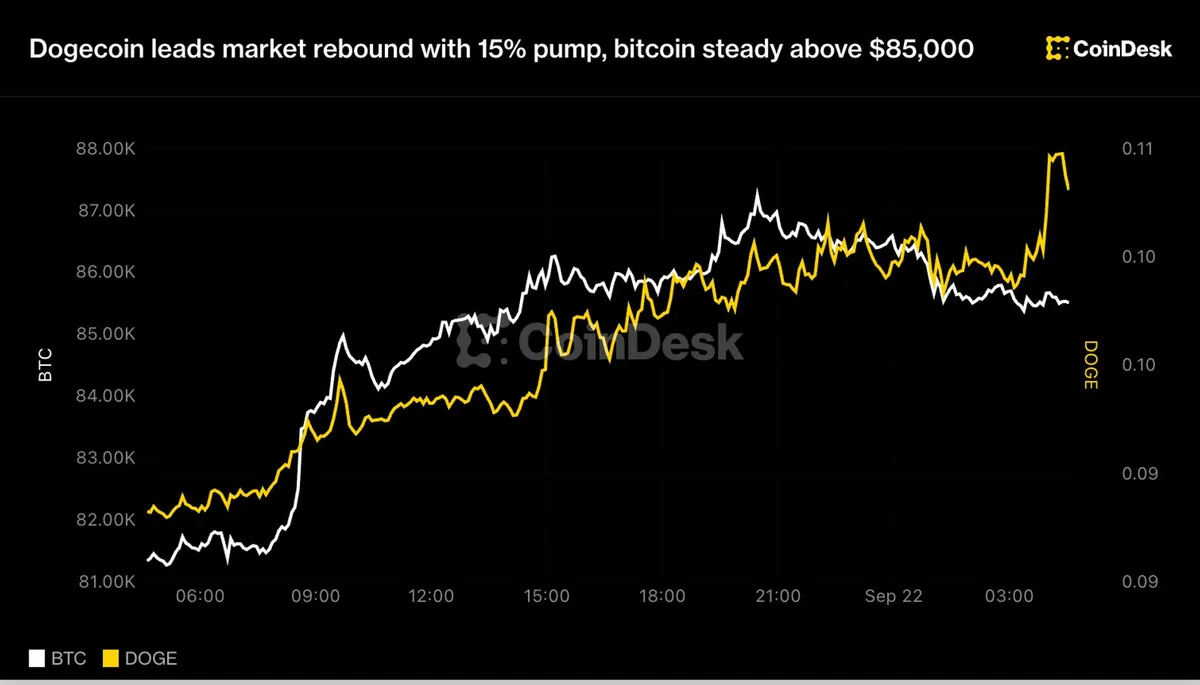
Dogecoin's 15% surge drives market recovery as bitcoin stabilizes above $85,000

Cardano adds tools for AI agent payments, joining Solana and XRP Ledger

Trueo prediction market moves from Base to Ethereum