Polymarket odds of US invading Iran this year reach 63% after Trump's post
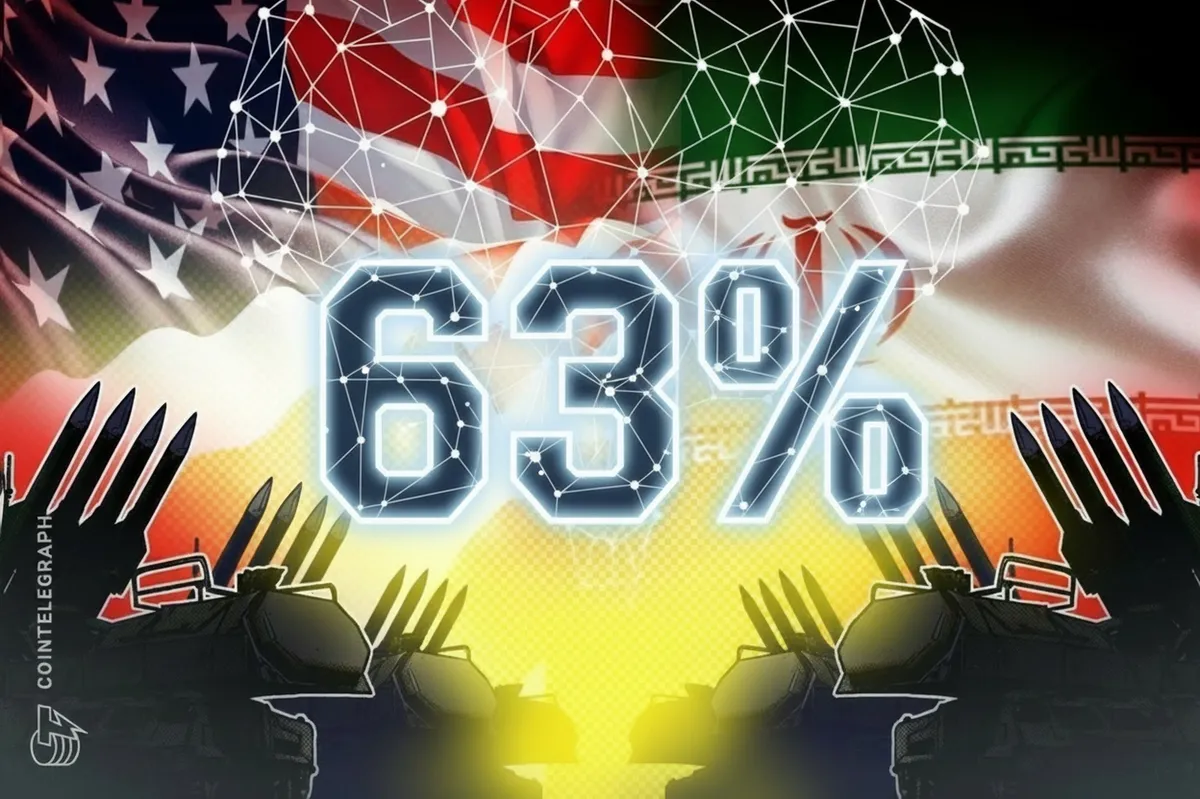
Recent developments surrounding U.S. foreign policy have seen a significant uptick in speculation regarding a potential military conflict with Iran. According to Polymarket, a popular prediction market, the odds of the U.S. invading Iran this year have surged to 63%, particularly following a series of controversial statements made by former President Donald Trump. These remarks, which appear to oscillate between advocating for de-escalation and hinting at increased military engagement, have left both analysts and the public grappling with uncertainty.
The backdrop to this situation is rooted in a lengthy history of tension between the U.S. and Iran, marked by economic sanctions, military posturing, and diplomatic failures. Since the Trump administration withdrew from the Iran nuclear deal in 2018, relations have deteriorated sharply. The recent comments from Trump, which seem to signal contradictory intentions, have reignited fears of an impending conflict, stirring both political and public discourse around the potential consequences of military action in the region.
The implications of this potential escalation are significant for the market, particularly in sectors closely tied to geopolitical stability. Investors are acutely aware that an invasion could disrupt oil supplies, heightening prices and impacting global markets. Furthermore, uncertainty surrounding the U.S. military's involvement in Iran could lead to increased volatility in both traditional and cryptocurrency markets, as traders respond to rapidly changing news cycles and geopolitical risk factors.
Industry experts have expressed varied opinions on the situation. Some analysts argue that the rising odds on Polymarket reflect genuine concerns among investors about the seriousness of Trump's statements, while others caution that prediction markets can sometimes amplify fears without substantial evidence. The sentiment in the financial community is one of heightened vigilance, with many urging stakeholders to maintain a close watch on developments as they unfold, especially given the unpredictable nature of political rhetoric.
Looking ahead, the next steps in this ongoing saga remain uncertain. As the political landscape evolves, it is likely that further statements from key figures–including Trump and current administration officials–will continue to influence market perceptions and investor sentiment. Observers will be watching closely for any developments that could either escalate or de-escalate tensions, as the ramifications of these geopolitical maneuvers extend far beyond the immediate region, impacting global economies and markets alike.

CoinMagnetic Team
Crypto investors since 2017. We trade with our own money and test every exchange ourselves.
Updated: April 2026
From our insights:
Related news

CFTC warns against risky prediction market contracts following Trump's speech trades
CFTC issues advisory on risks of cheating in prediction markets

CFTC issues warning on manipulation risks in prediction markets tied to mentions

Ancient wallets move $161 million in bitcoin, including 600 BTC today
CFTC Chairman Selig emphasizes need for markets to adapt to mass tokenization