Crypto is at bottom of U.S. voters' priorities heading into elections, CoinDesk survey shows
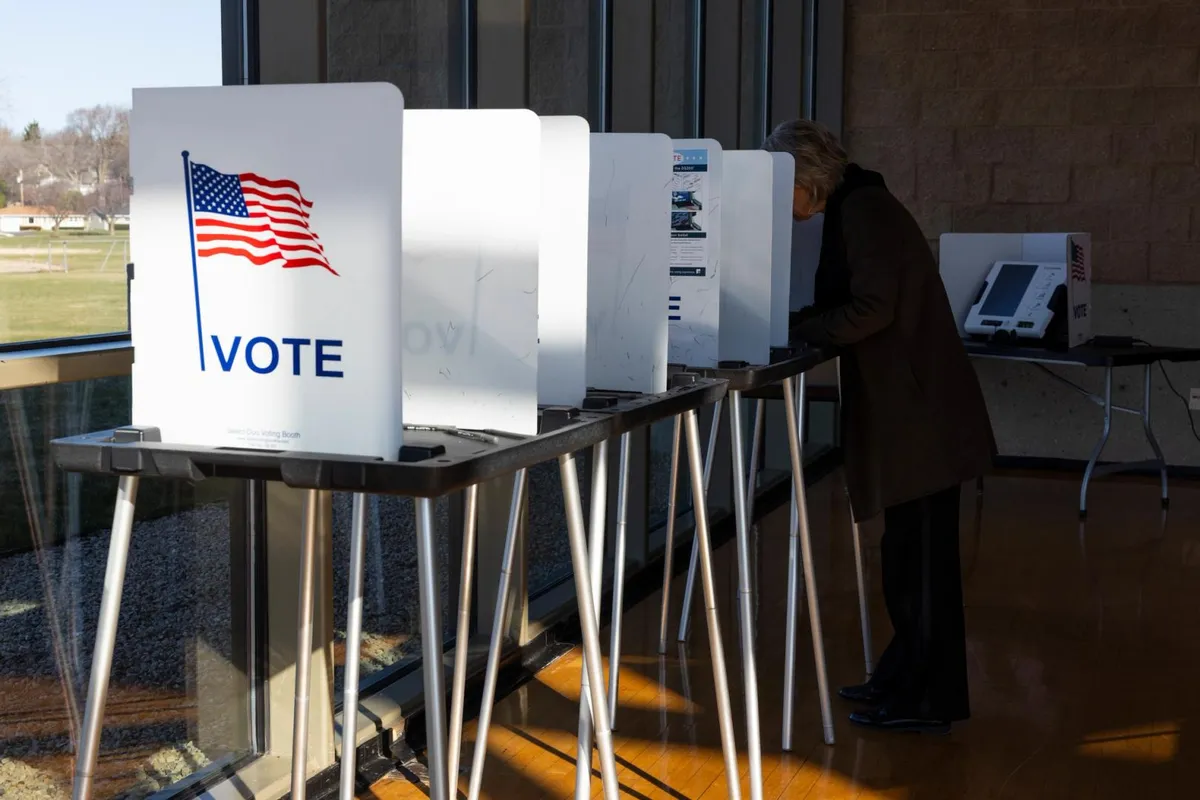
A recent survey conducted by CoinDesk has revealed that cryptocurrencies are at the bottom of U.S. voters' priorities as the nation heads into the upcoming elections. The survey, which polled 1,000 randomly selected registered voters, indicates that a significant portion of the American populace holds an unfavorable view of digital assets. This finding sheds light on the current sentiment regarding crypto, suggesting that it is not a pivotal issue for voters compared to pressing concerns such as the economy, healthcare, and education.
To provide some context, this survey comes at a time when the cryptocurrency market has faced increased scrutiny from regulators and lawmakers. Over the past few years, cryptocurrencies have oscillated between being hailed as revolutionary financial tools and being criticized for their volatility and potential for misuse. As the political landscape shifts and elections approach, candidates may prioritize issues that resonate more with the electorate, leaving cryptocurrencies sidelined in political discourse.
The implications for the cryptocurrency market could be significant. A lack of voter interest may translate into reduced political pressure to implement favorable regulations that could bolster the industry. If candidates perceive that their constituents are not particularly concerned about crypto, they might deprioritize discussions around legislation that could lead to clearer guidelines for the market. This could further complicate efforts to legitimize and stabilize the crypto ecosystem, which has been yearning for more regulatory clarity.
Industry reactions to the survey results have varied. Some experts express concern that the unfavorable sentiment among voters may hinder the adoption of cryptocurrencies and blockchain technology in mainstream financial practices. Others argue that the crypto industry's resilience means it will continue to evolve regardless of public perception. Industry advocates emphasize the importance of educating voters about the benefits and potential of cryptocurrencies, suggesting that improved understanding could shift public opinion over time.
Looking ahead, the future of cryptocurrencies in the political arena remains uncertain. As the election campaigns unfold, it will be interesting to monitor how candidates address financial technology issues and whether any significant shifts occur in voter sentiment. Furthermore, the crypto industry may need to engage more actively with the electorate to foster a better understanding and appreciation of what cryptocurrencies can offer–potentially changing their standing in future surveys and political discussions.

CoinMagnetic Team
Crypto investors since 2017. We trade with our own money and test every exchange ourselves.
Updated: May 2026
From our insights:
Related news

Bernstein revises prediction markets to $10 trillion by 2035, up from $1 trillion

New Fed data reveals potential dangers in Bitcoin's rally

Anthropic’s New Claude Opus 5.5 Matches Fable at 60% the Price

Elon Musk's influence drives Dogecoin to highest price in months

Aave's plan could expose Bitcoin loans to 4.7% price dips with higher leverage