Circle hit with class action lawsuit over alleged inaction in $280 million Drift exploit

Circle, the issuer of the USDC stablecoin, is facing a significant legal challenge following a class action lawsuit filed by the law firm Gibbs Mura. The lawsuit stems from a recent exploit involving Drift, a decentralized exchange, which resulted in a staggering $280 million being stolen. According to the claims, Circle is accused of failing to act promptly to freeze the stolen USDC linked to the attack, which has raised concerns about the company's responsiveness to security breaches and its obligations to protect users.
To understand the gravity of the situation, it’s essential to consider the context surrounding both Circle and the broader cryptocurrency ecosystem. Circle, which has positioned itself as a leader in the stablecoin market, has been instrumental in promoting the use of USDC for transactions and trading across various platforms. However, the incident involving Drift has sparked scrutiny not only about Circle's operational protocols but also about the overall vulnerability of decentralized finance (DeFi) protocols. As DeFi continues to grow, so does the potential for exploits and hacks, which can have far-reaching consequences for all stakeholders involved.
This lawsuit is particularly critical for the market as it underscores the ongoing tension between regulatory compliance and the fast-paced nature of cryptocurrency transactions. If the claims hold merit, it could set a precedent for how stablecoin issuers must respond to security incidents in the future. Furthermore, it raises questions about the responsibilities of firms like Circle to act swiftly in protecting users’ assets and maintaining trust in their platforms. The outcome could influence investor sentiment around stablecoins and their associated risks, potentially leading to increased regulatory scrutiny.
Industry reactions to the lawsuit have been mixed, with some experts expressing concern over the implications for Circle and the broader implications for stablecoin regulation. Legal analysts have noted that the case could become a landmark decision in defining the liabilities that crypto companies have in safeguarding user assets. Others in the industry have defended Circle, arguing that the complexities of blockchain transactions and the decentralized nature of many platforms can complicate rapid response efforts.
Looking ahead, it remains to be seen how Circle will respond to the lawsuit and what steps they might take to mitigate the fallout. The company may need to bolster its security measures and enhance its operational protocols to prevent similar incidents in the future. Additionally, the case could encourage other stablecoin issuers to reevaluate their own procedures and compliance measures to safeguard against potential legal challenges. As the situation develops, industry stakeholders will be keeping a close eye on the proceedings and their implications for the future of cryptocurrency and DeFi.

CoinMagnetic Team
Crypto investors since 2017. We trade with our own money and test every exchange ourselves.
Updated: April 2026
From our insights:
Related news

Lummis blames Democrats for failed crypto Clarity Act vote
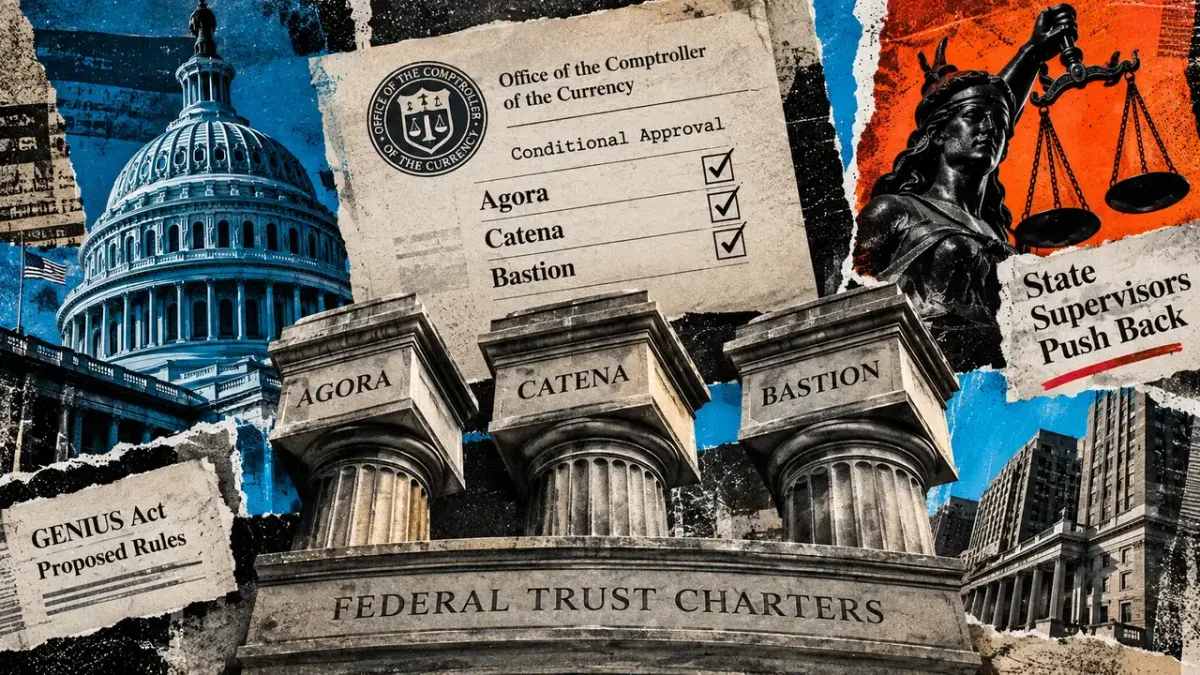
Federal approval won’t guarantee success for Agora, Catena, and Bastion

Regulatory clarity on crypto relies on officials, not Congress, says White House
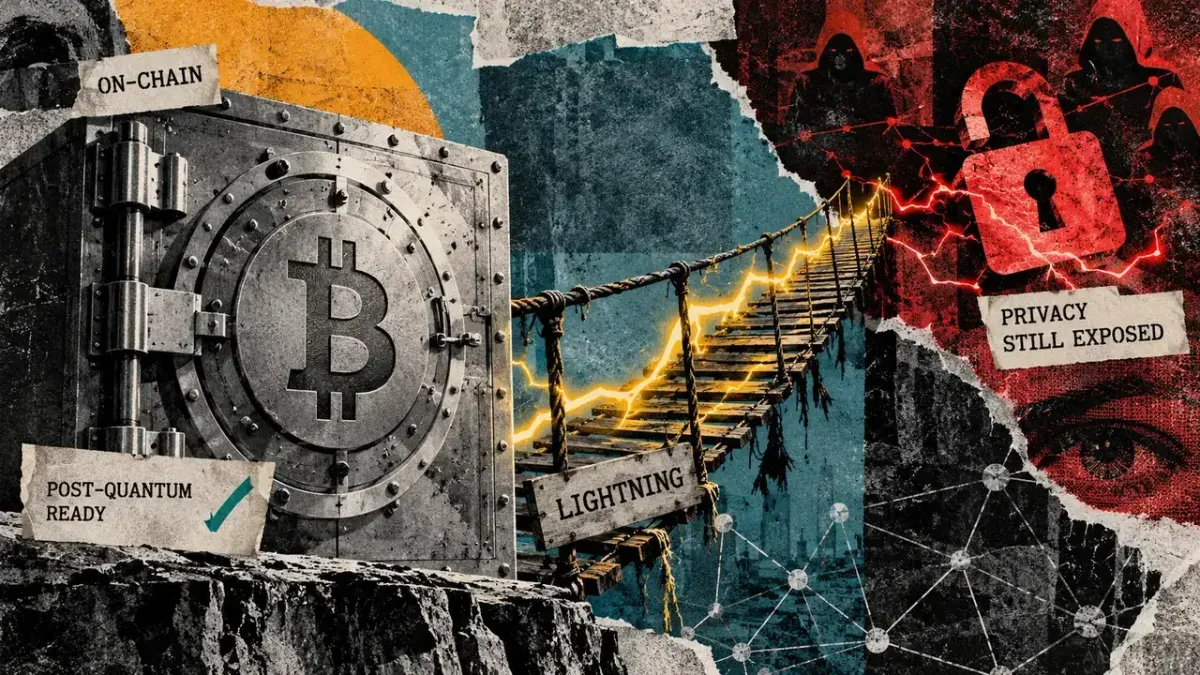
PQLN enhances Bitcoin's quantum safety but raises privacy concerns for Lightning

Canada's major banks consider tokenized deposits for interbank payments