Bitcoin bounces to $72.5K as markets react to US Strait of Hormuz blockade
Bitcoin has experienced a notable rally, climbing to $72,500 following heightened tensions surrounding the US blockade of the Strait of Hormuz. This strategic waterway, crucial for global oil transport, has seen military maneuvers that have sparked concerns over supply chain disruptions. As the situation unfolded, traditional markets reacted with volatility, and Bitcoin, often viewed as a hedge against geopolitical instability, saw a surge in demand. This uptick highlights the crypto asset's potential resilience amid external pressures.
The Strait of Hormuz is a vital artery for oil shipments, with approximately 20% of the world’s petroleum passing through it. Historical instances of conflict in this region have often led to spikes in oil prices and a ripple effect across financial markets. In this context, Bitcoin's recent price movement can be seen as a reflection of investor sentiment concerning geopolitical risks. The crypto market has frequently responded to macroeconomic factors, and the current crisis is no exception.
This recent surge in Bitcoin's price may signal a shift in investor behavior, with many looking to cryptocurrency as a safe haven during times of uncertainty. The correlation between Bitcoin and traditional markets often fluctuates, but events like the blockade have the potential to strengthen Bitcoin's narrative as a digital gold. However, traders have also expressed caution, warning that a price correction could be imminent. The volatility associated with such geopolitical events can lead to rapid fluctuations in asset prices, and Bitcoin is particularly susceptible to these dynamics.
Industry experts have shared mixed opinions regarding the current market climate. Some view the rise in Bitcoin's value as a sign of its growing acceptance as a store of value, while others caution that the rally may be short-lived. Analysts suggest that while geopolitical tensions can drive prices up, they also create an environment ripe for correction once the situation stabilizes. This sentiment reflects a broader recognition that while Bitcoin can thrive in uncertain times, it remains vulnerable to market corrections driven by profit-taking and speculative behavior.
Looking ahead, market participants will be closely monitoring developments in the Strait of Hormuz and the broader geopolitical landscape. Any further escalations could lead to additional volatility in both traditional and crypto markets. As we observe how investors react to these unfolding events, it will be essential to consider the implications for Bitcoin's price trajectory and whether it can maintain its current momentum in the face of potential corrections. The interplay between geopolitical events and cryptocurrency performance will continue to be a focal point for traders and analysts alike.

CoinMagnetic Team
Crypto investors since 2017. We trade with our own money and test every exchange ourselves.
Updated: April 2026
From our insights:
Related news

SoFi begins stablecoin settlement on Mastercard network for program expected to exceed $25 billion in annualized volume

A $3.2 million 'bitcoin butterfly' option trade bets on $95,000 by the end of October
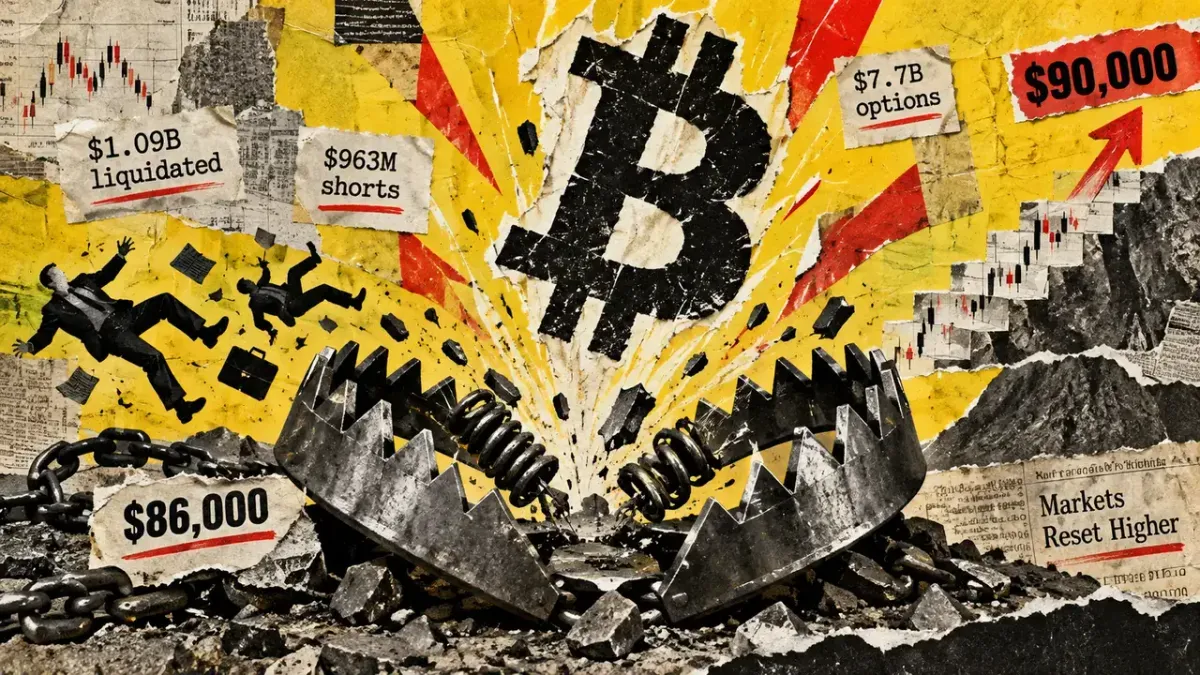
Bitcoin surges past $86,000 as $1 billion in shorts are liquidated, eyes on $90,000
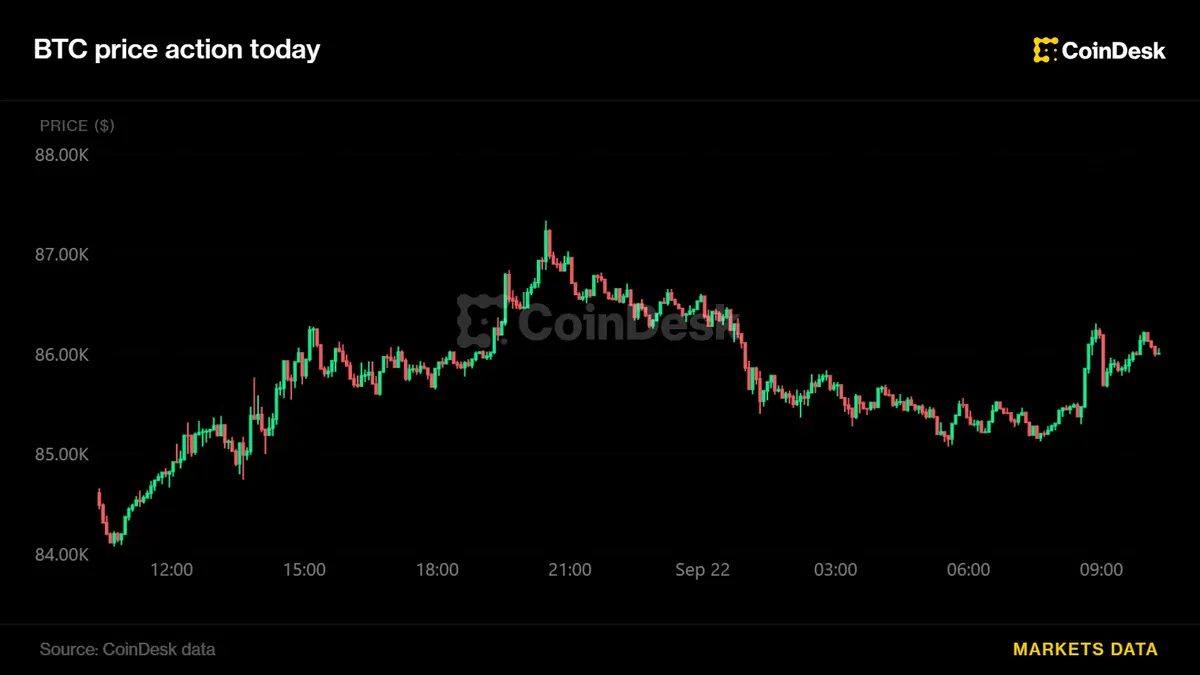
Bitcoin bounces back to $86,000 as oil prices decline and stocks rise

Prediction markets projected to reach $10 trillion by 2035, surpassing sports