Aave records $6 billion TVL drop as Kelp hack exposes structural risk at DeFi lender

Aave, one of the leading decentralized finance (DeFi) lending protocols, has experienced a significant drop in its total value locked (TVL), which has plummeted by $6 billion following a recent security incident. The situation arose when attackers exploited a vulnerability by using drained staked Ether (rsETH) as collateral to borrow wrapped Ether. This exploit not only triggered a massive sell-off of the AAVE token, which saw a decline of 16%, but also left the protocol grappling with the implications of potentially bad debt on its balance sheet. As the dust settles, Aave is now in the process of assessing the extent of the damage and determining how much bad debt it must address.
To understand the gravity of the situation, it's essential to consider the broader context of Aave's role in the DeFi ecosystem. Aave has been a cornerstone of decentralized lending, enabling users to borrow and lend various cryptocurrencies without intermediaries. The recent hack has raised alarms about the structural vulnerabilities in DeFi protocols, especially as they become increasingly complex and interconnected. With the rapid growth of DeFi over the past few years, security has remained a critical concern, and incidents like this serve as stark reminders of the risks involved.
The market's reaction to this incident underscores the fragility of investor confidence in DeFi protocols. A drop in Aave's TVL signifies not only a loss of funds but also a potential shift in user trust towards other lending platforms. Investors are likely to be more cautious moving forward, especially in light of this incident. The implications could extend beyond Aave, as user sentiment may prompt a broader reassessment of security practices across the DeFi landscape. This situation highlights the need for enhanced security measures and protocols to protect user assets and maintain the integrity of the DeFi ecosystem.
Industry experts have weighed in on the fallout from the Aave hack, with many emphasizing the urgent need for improved security protocols and audits in DeFi projects. Some argue that while hacks are an unfortunate reality within the crypto space, they also present an opportunity for growth and innovation. By learning from such incidents, developers can strengthen their systems and create more resilient infrastructures. Furthermore, the discussions surrounding this hack have already sparked debates about regulatory measures and best practices that could help mitigate risks in the future.
Looking ahead, Aave will likely focus on restoring user confidence while addressing the bad debt resulting from the exploit. The protocol may introduce new security features or enhance existing ones to prevent similar incidents from occurring. Additionally, the DeFi community may witness a ripple effect as other platforms reassess their security frameworks, potentially leading to more robust practices industry-wide. As Aave navigates this challenging period, the ongoing dialogue around security, transparency, and user trust will be crucial in shaping the future of DeFi lending.

CoinMagnetic Team
Crypto investors since 2017. We trade with our own money and test every exchange ourselves.
Updated: April 2026
From our insights:
Related news

European central banks push to expand stablecoin yield ban to crypto lending and staking

CME introduces Bitcoin Cash and Uniswap futures amid growing demand for crypto derivatives

Solstice CEO predicts less volatile future for crypto cycles amid liquidity growth

Pragma flags 6 price feeds as critical risk following $3.5M Starknet lending exploit
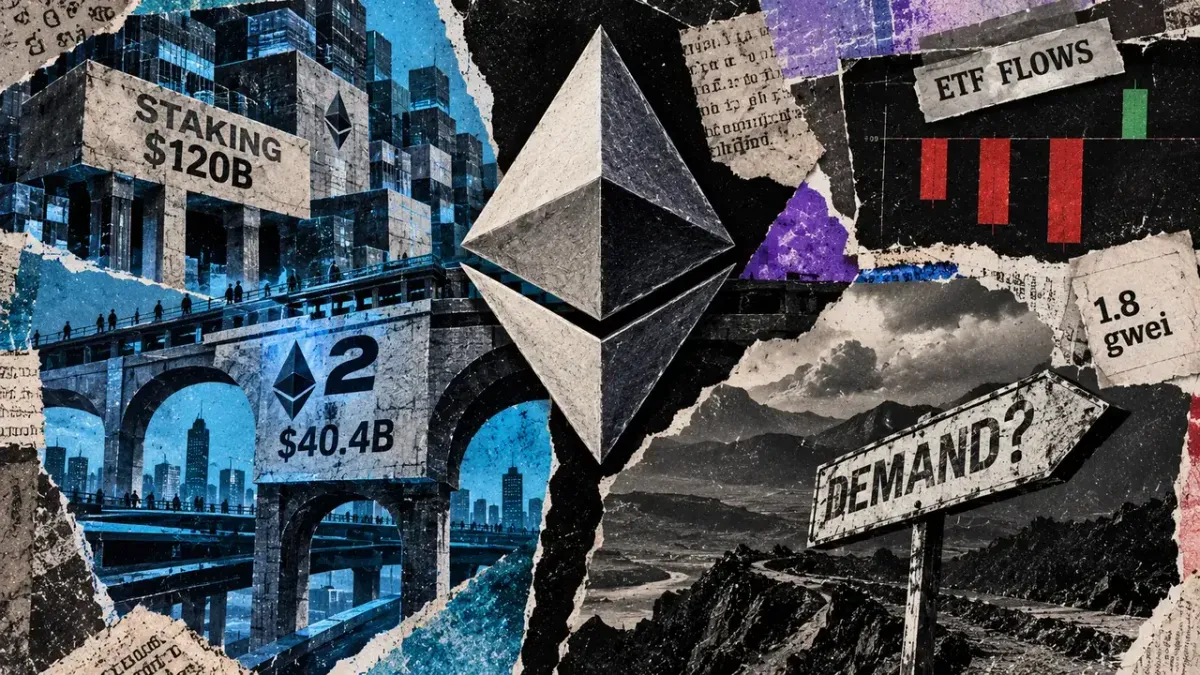
Ethereum's $120 billion in staking masks underlying supply dynamics