Stablecoins behave like FX markets as liquidity splits: Eco CEO

Ryne Saxe, CEO of Eco, recently shed light on the growing complexities surrounding stablecoin transactions, emphasizing that they are beginning to behave more like foreign exchange (FX) markets due to fragmented liquidity. As stablecoins are intended to provide seamless and efficient dollar transfers, the increasing division in liquidity is resulting in significant challenges for executing large transactions. Saxe pointed out that this fragmentation complicates the process, making it difficult for users to achieve optimal execution prices and increasing the overall costs of large transfers.
The evolution of stablecoins has been rapid, with their adoption soaring in the past few years. Originally designed to facilitate smooth transactions in the crypto space by pegging their value to traditional currencies, stablecoins have been hailed for their potential to streamline cross-border payments and enhance financial inclusion. However, as the market has matured, the reality of liquidity fragmentation has emerged. Different stablecoins often operate on separate platforms, leading to variations in liquidity availability and price discrepancies, akin to what one might experience in traditional FX markets where currency availability can vary significantly.
This shift in behavior matters for the market because it highlights potential inefficiencies and risks associated with stablecoin transactions. As liquidity becomes more fragmented, the cost of executing large trades may rise, which could deter institutional investors from entering the market. In a space that thrives on the promise of quick and cost-effective transactions, any increase in execution complexity or costs could stifle growth and adoption. Moreover, if users begin to perceive stablecoins as less reliable for large transfers, it could undermine the overall trust in these digital assets.
Industry experts have begun to weigh in on Saxe's observations, with many agreeing that liquidity fragmentation is a critical issue that needs addressing. Some analysts have argued that solutions such as liquidity pools or cross-chain interoperability could help mitigate these challenges by unifying liquidity sources. Others suggest that regulatory measures may play a role in standardizing the practices around stablecoin issuance and trading, ultimately leading to a more cohesive market structure. The conversation around the future of stablecoins and their functionality is gaining momentum as stakeholders seek to navigate these complexities.
Moving forward, it will be essential for the industry to address the liquidity fragmentation that is currently impacting stablecoin operations. As more players enter the stablecoin space, there is an opportunity for innovation aimed at improving liquidity and execution efficiency. Solutions that facilitate better price discovery and enhance market depth could emerge as critical components in stabilizing this segment. The trajectory of stablecoins will likely depend on how effectively the industry adapts to these challenges and whether it can provide users with the seamless experience they initially promised.

CoinMagnetic Team
Crypto investors since 2017. We trade with our own money and test every exchange ourselves.
Updated: April 2026
From our insights:
Related news

Solstice CEO predicts less volatile future for crypto cycles amid liquidity growth

Pragma flags 6 price feeds as critical risk following $3.5M Starknet lending exploit

Ethereum's $120 billion in staking masks underlying supply dynamics

NEAR price surges 80% weekly as Intents volume approaches $30 billion
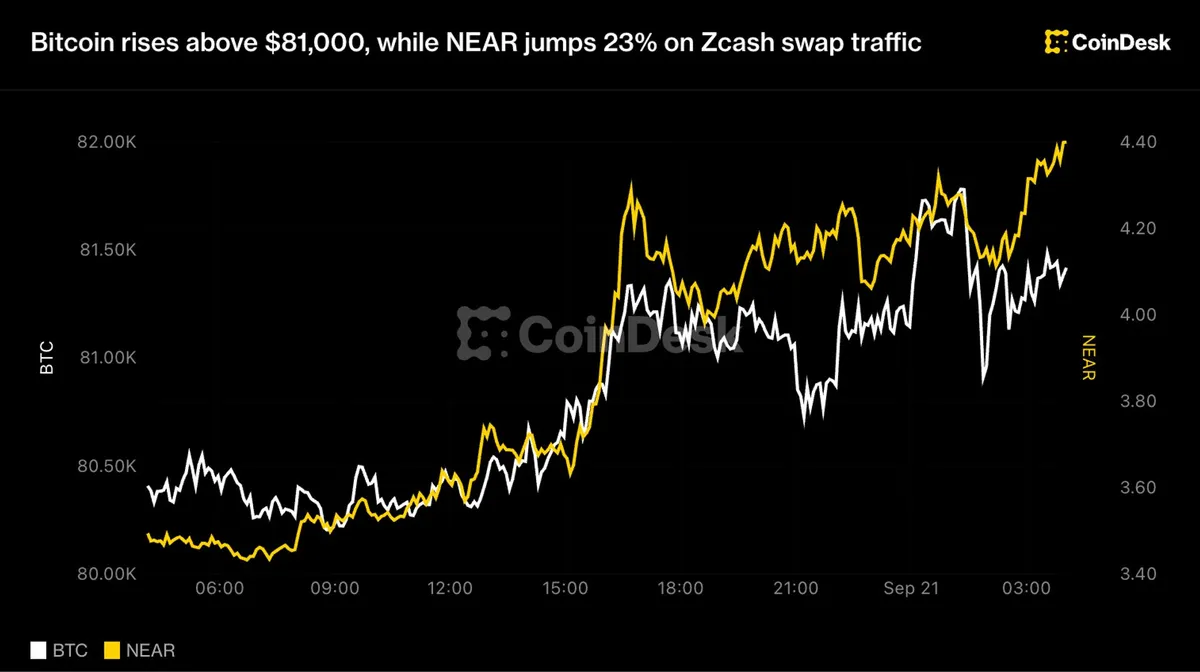
Bitcoin surpasses $81,000 as NEAR surges 23% amid Zcash swap activity