Bao matGiam
Yearly DeFi hacks cost 8,500% more than TradFi breaches per dollar moved
Nguon: CryptoSlate
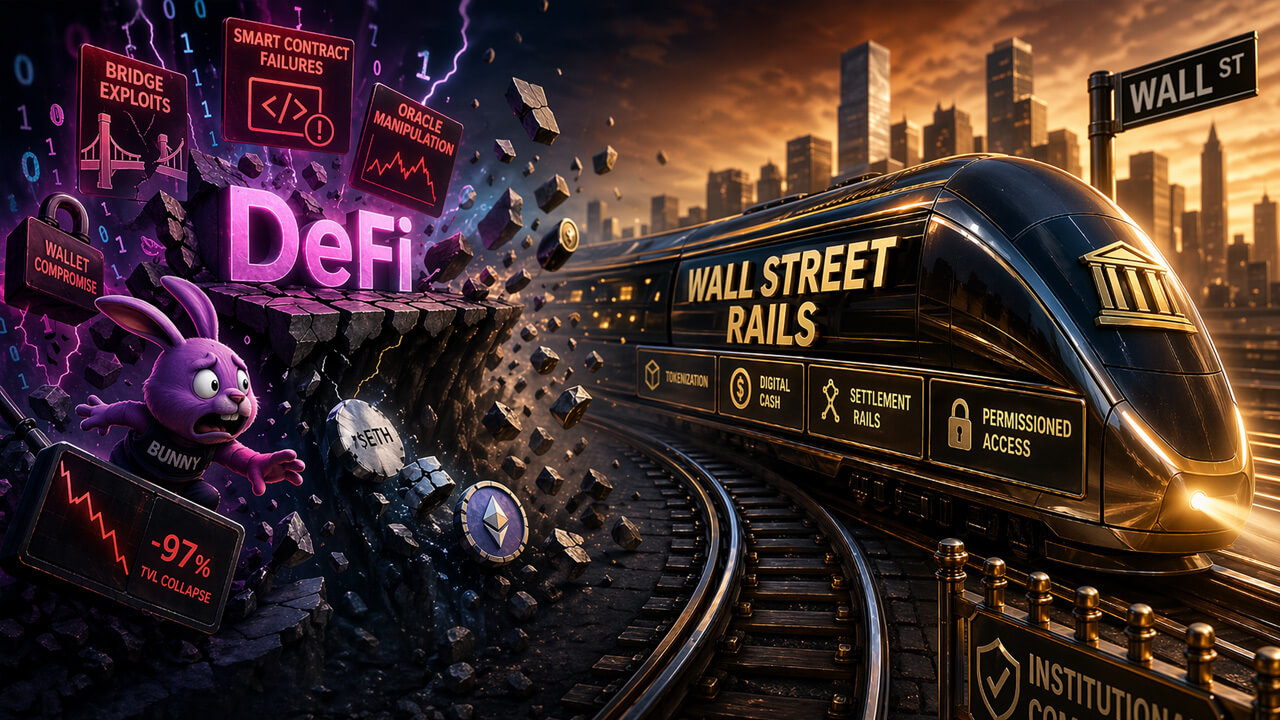
Recent analysis has revealed a staggering statistic: yearly hacks in decentralized finance (DeFi) now cost an astonishing 8,500% more per dollar moved compared to breaches in traditional finance (TradFi). This finding underscores the escalating risks associated with DeFi protocols, particularly as the industry continues to gain traction. The report highlights that while DeFi promises greater transparency and user empowerment, its vulnerabilities have led to substantial financial losses, raising questions about the security and sustainability of these innovations.
To provide some context, DeFi emerged as a revolutionary alternative to traditional financial systems, offering users the ability to engage in financial transactions without intermediaries. The foundational principles of DeFi include self-custody of assets, open markets, and the execution of code-based rules via smart contracts. However, this shift away from centralized control has also led to increased exposure to hacking and fraud, as evidenced by the growing number of high-profile security breaches. The stark contrast in cost per dollar moved between DeFi and TradFi breaches serves as a critical indicator of the systemic risks that DeFi platforms face.
The implications of these findings are significant for the broader market. As investors and users increasingly flock to DeFi platforms, the heightened risk associated with these systems could lead to a reevaluation of their viability. The fact that hacks in DeFi are so disproportionately costly may deter some participants from engaging with these platforms, potentially stunting the growth of the sector. Moreover, the heightened scrutiny from regulators, who are already concerned about the lack of oversight in DeFi, could lead to more stringent requirements that may further complicate the landscape.
Industry reactions to this revelation have been mixed. Some experts argue that while the risks are indeed alarming, they are a natural part of an evolving financial ecosystem. They point out that as the DeFi space matures, we can expect improvements in security measures and protocols that will help safeguard user assets. Others, however, warn that the current trajectory of hacks and losses could undermine trust in DeFi, making it difficult for the sector to achieve its original vision of democratized finance.
Looking ahead, the future of DeFi will likely hinge on its ability to learn from these challenges. As the industry grapples with the implications of costly hacks, we may see a concerted effort to enhance security protocols and foster greater collaboration among projects. Additionally, educational initiatives aimed at informing users about the risks associated with DeFi could play a crucial role in shaping the next phase of this transformative movement. The question remains whether the original dream of DeFi can be realized in a way that balances innovation with security and user trust.
CM
Doi ngu CoinMagnetic
Chung toi dau tu tien cua minh va chia se kinh nghiem thuc te ve crypto, DeFi va airdrop.
Cap nhat: tháng 4 năm 2026
Tu phan tich cua chung toi:
Ban muon nhan tin tuc som nhat?
Theo doi kenh Telegram cua chung toi – chung toi dang tin tuc quan trong va phan tich.
Theo doi kenh