Thi truongTrung lap
White House Weighs Reinstating Anthropic for Federal Use Amid Pentagon Fight: Report
Nguon: Decrypt
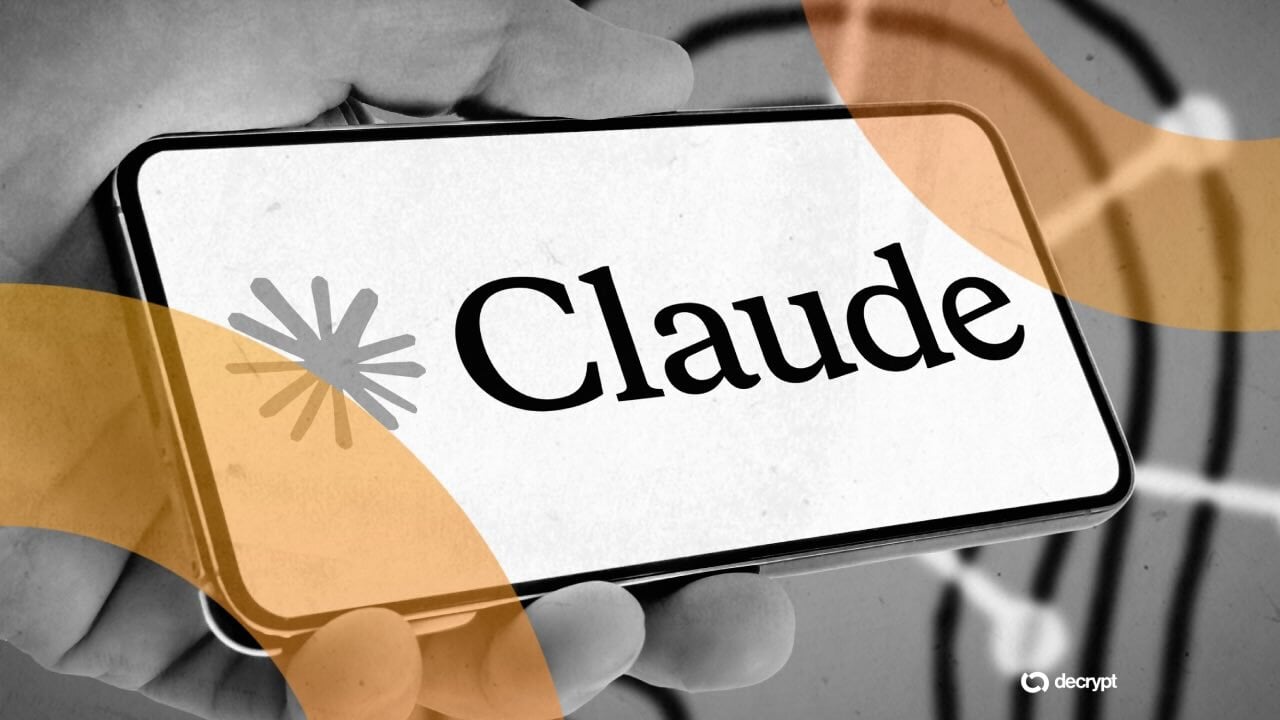
Reports have emerged that the White House is considering reinstating Anthropic's artificial intelligence services for federal use, even as the Pentagon grapples with regulatory restrictions. According to sources, officials from the Trump administration had previously drafted guidance aimed at facilitating access to Anthropic’s AI offerings, specifically their Claude Mythos model. This move comes amidst ongoing debates about the role of AI in national security and federal operations, highlighting the complexities of integrating advanced technologies into government frameworks.
The context around this potential reinstatement is crucial. Anthropic, founded by former OpenAI employees, has developed a reputation for creating powerful AI tools, but its services have faced scrutiny, particularly from defense agencies concerned about their implications for security and ethics. As AI technology continues to evolve rapidly, the challenge for federal agencies is to balance innovation with the necessary oversight to ensure that these tools align with national interests. The previous guidance drafted by Trump officials reflects a broader acknowledgment of the potential benefits AI can bring, despite the accompanying risks.
This development is significant for the broader market because it signals a potential shift in how the government engages with AI technology. The reinstatement of Anthropic for federal use could unlock new opportunities for collaboration between private AI firms and government agencies, potentially leading to advancements in areas like data analysis, military strategy, and cyber defense. Additionally, it could encourage other AI developers to engage more actively with federal agencies, knowing there may be pathways for their technologies to be utilized in critical areas.
Industry reactions have been mixed. Some experts praise the potential for enhanced capabilities that AI tools like Claude Mythos can offer to federal agencies, emphasizing the need for the government to leverage cutting-edge technology in a rapidly changing global landscape. However, others voice concerns over the ethical implications and the need for robust regulatory frameworks that ensure AI is used responsibly. The debate underscores the ongoing tension between innovation and caution, as stakeholders in both the public and private sectors navigate the complexities of AI deployment.
Looking ahead, the decision to reinstate Anthropic could set a precedent for future AI collaborations between the government and private sector. As the White House weighs its options, it remains to be seen how this will shape the regulatory landscape for AI technologies moving forward. If approved, it may lead to further discussions about the ethical implications of AI in federal use, potentially influencing how agencies approach technology adoption and integration in the years to come.

Tu phan tich cua chung toi:
Ban muon nhan tin tuc som nhat?
Theo doi kenh Telegram cua chung toi – chung toi dang tin tuc quan trong va phan tich.
Theo doi kenh