San giao dichTrung lap
Visa expands stablecoin settlement network as volume hits $7 billion run rate
Nguon: CoinDesk
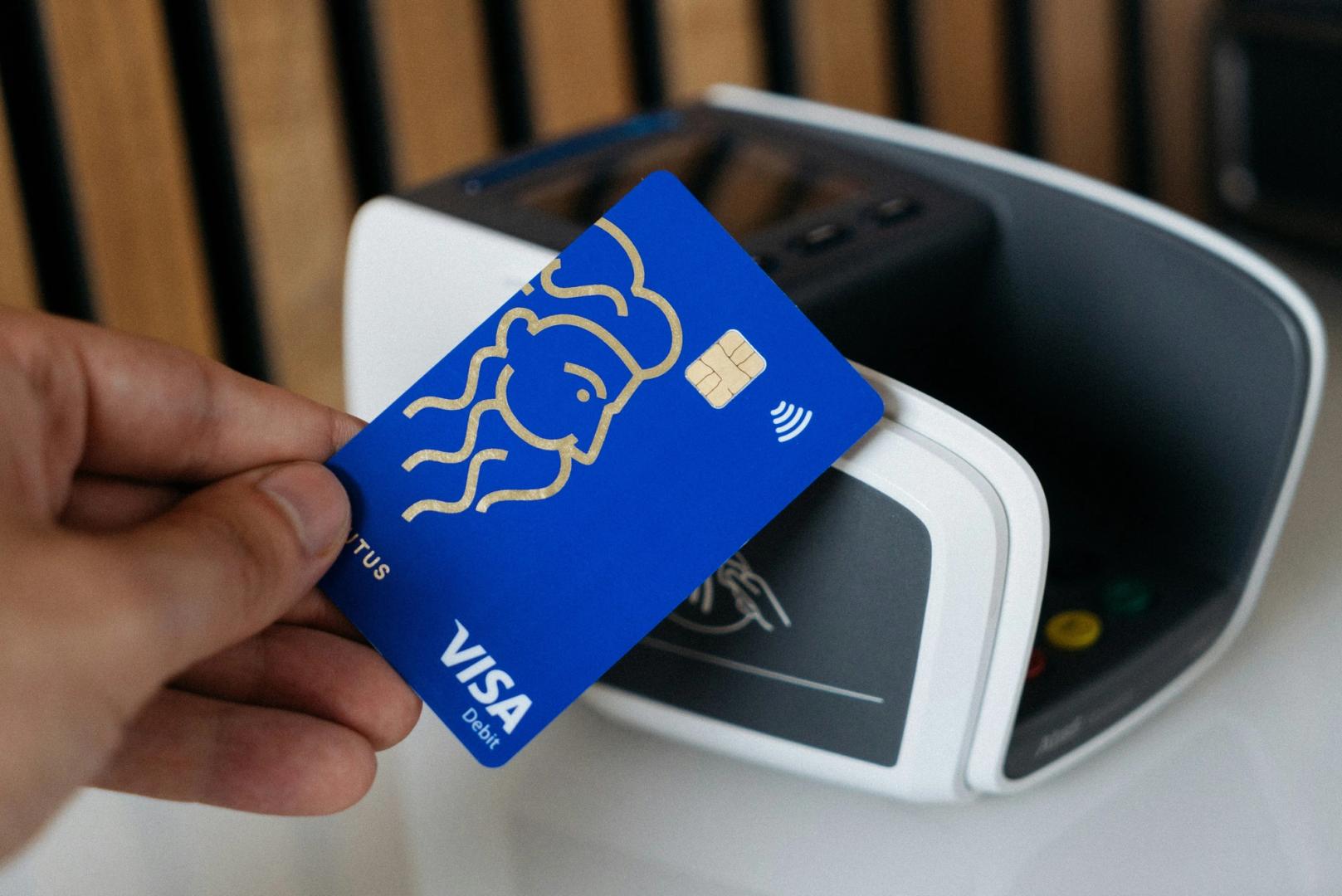
Visa has recently announced a significant expansion of its stablecoin settlement network, which comes at a time when the volume of transactions has reached a remarkable $7 billion run rate. This strategic move includes support for several prominent platforms such as Stripe’s Tempo, Circle’s Arc, Coinbase’s Base, Polygon, and the Canton Network. By integrating these platforms, Visa aims to enhance its capabilities in facilitating seamless and efficient transactions across various stablecoins, which are increasingly gaining traction in global money movement. This initiative is expected to streamline payment processing and provide greater flexibility for businesses and consumers alike.
The backdrop to this development is the growing acceptance and utilization of stablecoins within the financial ecosystem. As digital currencies become more mainstream, stablecoins–cryptocurrencies designed to maintain a stable value–are emerging as a preferred medium for transactions due to their reduced volatility compared to traditional cryptocurrencies. Visa's proactive approach in incorporating stablecoin technology reflects a shift in the payments landscape, where traditional financial institutions are beginning to embrace digital currencies to meet the demands of a rapidly evolving market.
This expansion is significant for the market as it signals a broader trend of institutional adoption of cryptocurrencies and stablecoins. With Visa at the forefront, the integration of stablecoins into mainstream payment networks may encourage other financial institutions to explore similar pathways. A robust stablecoin settlement system can enhance liquidity and efficiency in transactions, potentially attracting more users and fostering further innovation within the cryptocurrency space. As more businesses recognize the benefits of using stablecoins, we could see a shift in how digital payments are conducted, leading to increased confidence in the use of cryptocurrencies for everyday transactions.
Industry reactions to Visa's expansion have been largely positive, with experts highlighting the potential for increased transaction speed and lower costs associated with stablecoin payments. Many see this move as a validation of the stablecoin market and its potential to disrupt traditional payment systems. Analysts suggest that Visa's support for multiple platforms could pave the way for greater interoperability among various stablecoin networks, ultimately benefiting both businesses and consumers. This enthusiasm is echoed by leaders in the crypto space who view Visa's actions as a critical step towards mainstream acceptance of digital currencies.
Looking ahead, Visa's expansion into the stablecoin settlement space could set the stage for future developments in the cryptocurrency market. As more partnerships and integrations are formed, we may see increased innovation in payment solutions, further blurring the lines between traditional finance and the digital currency ecosystem. It remains to be seen how other major players in the financial sector will respond to this trend, but one thing is clear–Visa's actions may very well be a catalyst for a new era in the way we think about and utilize money in our everyday lives.

Tu phan tich cua chung toi:
Ban muon nhan tin tuc som nhat?
Theo doi kenh Telegram cua chung toi – chung toi dang tin tuc quan trong va phan tich.
Theo doi kenh