Quy dinhGiam
U.S. senators won't be weighing in on prediction markets bets after banning themselves
Nguon: CoinDesk
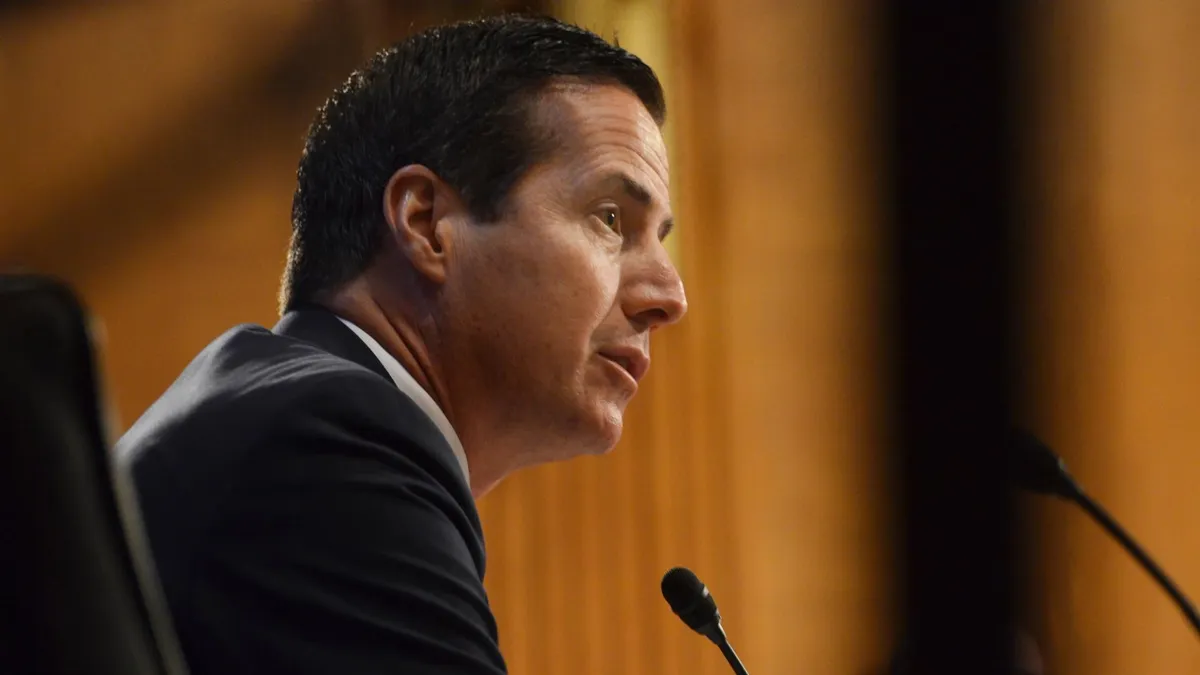
In a recent development, the U.S. Senate has unanimously agreed to revise its rules, effectively banning members and their staff from participating in bets on prediction markets platforms. This decision comes as part of a broader effort to ensure integrity and prevent potential conflicts of interest within the legislative body. The resolution was passed without dissent, highlighting a collective recognition of the need for ethical standards as the popularity of prediction markets continues to grow. These platforms allow users to place bets on the outcomes of various events, including political elections and economic indicators, which could present a conflict for lawmakers with vested interests in the outcomes.
The backdrop to this decision involves the increasing scrutiny of the intersection between politics and speculative betting. Prediction markets have gained traction as they provide unique insights into public sentiment and can sometimes predict outcomes more accurately than traditional polling methods. However, the ethical implications of lawmakers engaging in such markets have raised concerns, particularly regarding transparency and accountability. The Senate's move to prohibit these bets reflects a proactive stance to mitigate any perceived or real impropriety that could arise from lawmakers profiting off political events they are directly involved in.
This ban on prediction market bets is significant for the market as it could influence how these platforms operate in relation to political events. With lawmakers stepping back from participating, it may alter the dynamics of betting behavior in prediction markets, potentially reducing the volume of bets placed on political outcomes. Investors and users of these platforms may need to recalibrate their expectations, as the absence of political figures could lead to shifts in market sentiment and the way information is processed within these betting environments.
Industry reactions to this decision have been varied. Some experts view the Senate's move as a necessary step towards greater integrity in politics, emphasizing that lawmakers should not have financial stakes in the outcomes of the events they are legislating. Others argue that this restriction limits the potential for lawmakers to engage with emerging technologies and understand the implications of prediction markets in the digital age. As the landscape evolves, discussions on ethical engagement with prediction markets will likely continue, shaping the future of both the legislative process and the betting industry.
Looking ahead, it will be interesting to see how this ban affects the perception and regulation of prediction markets overall. As lawmakers distance themselves from direct involvement in betting, there may be a push for clearer regulations governing these platforms to ensure they operate fairly and transparently. Additionally, as public interest in prediction markets grows, future legislative discussions may address how to balance innovation with the need for ethical governance, potentially leading to more comprehensive frameworks for engagement in this space.

Tu phan tich cua chung toi:
Ban muon nhan tin tuc som nhat?
Theo doi kenh Telegram cua chung toi – chung toi dang tin tuc quan trong va phan tich.
Theo doi kenh