Thi truongTrung lap
OpenAI Calls for Global Shift in Taxation, Labor Policy as AI Takes Over
Nguon: Decrypt
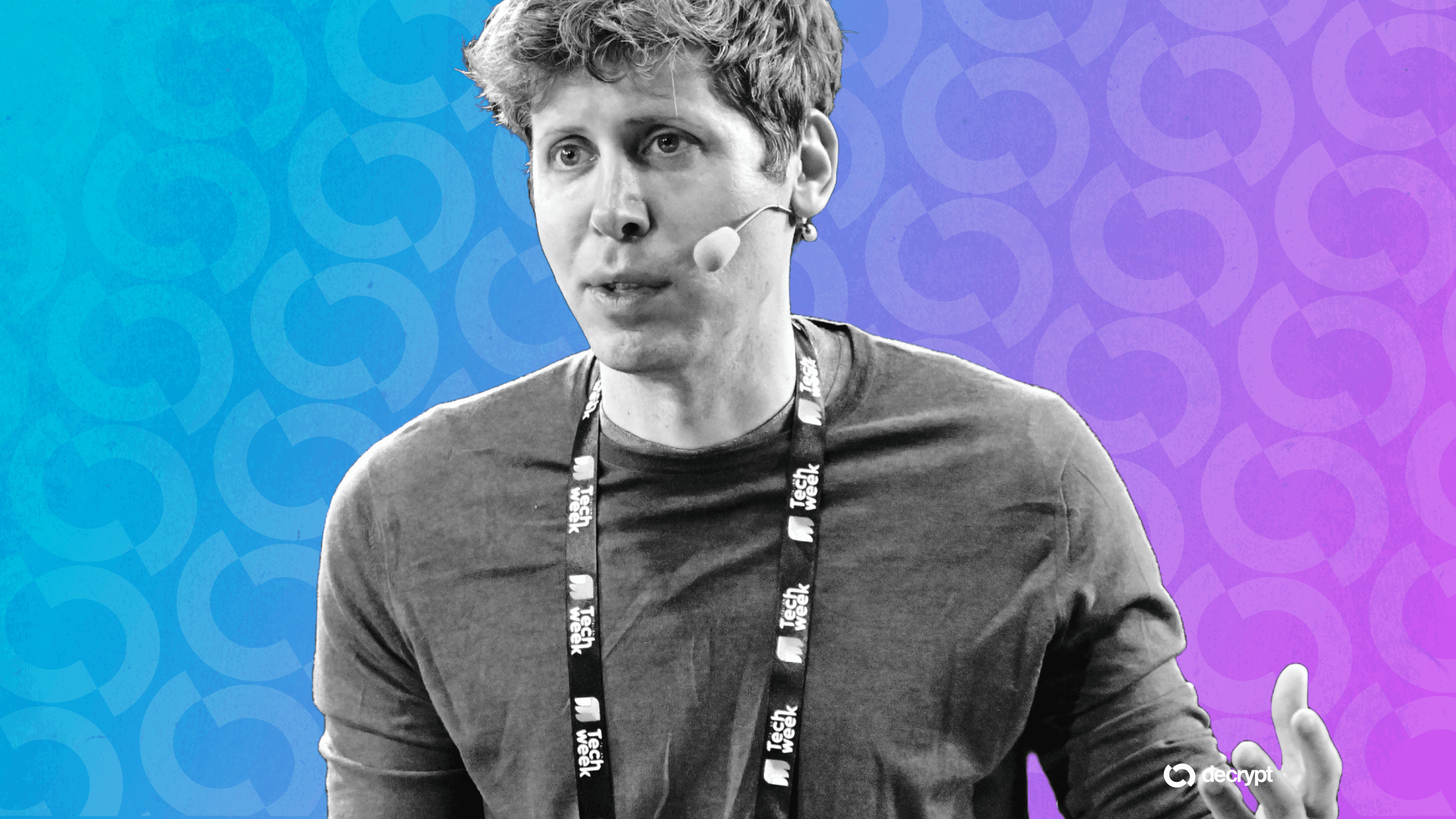
OpenAI has recently unveiled a blueprint advocating for significant changes in taxation and labor policies to adapt to the evolving landscape created by artificial intelligence. The organization, co-founded by Sam Altman, argues that as AI technologies take a more prominent role in the economy, traditional economic structures must also transform to ensure equitable distribution of wealth. This call for a comprehensive overhaul emphasizes the need for new frameworks that can accommodate the rapid advancements in AI, which OpenAI believes will fundamentally alter job markets and economic dynamics in the coming years.
To better understand this shift, it is essential to consider the historical context surrounding AI development and its impact on labor. Over the past decade, AI has progressed from a niche technology to a mainstream tool, reshaping industries from finance to healthcare. However, this rapid advancement has also raised concerns about job displacement and economic inequality. OpenAI's call for new taxation and labor policies suggests a recognition that the existing frameworks may not adequately address the challenges posed by AI, such as the potential for mass unemployment and the concentration of wealth among technology companies.
This advocacy for policy reform is particularly significant for the market, as it signals a growing acknowledgment of the profound implications AI has on economic structures. Investors and industry leaders are likely to closely monitor these developments, as shifts in taxation and labor policy could influence the profitability of AI companies and the broader market. If implemented, these changes could lead to a redistribution of wealth that might benefit broader segments of society, potentially leading to increased consumer spending and economic growth. Conversely, resistance to such reforms could result in increased tensions within the tech sector and broader society.
Industry reactions to OpenAI's blueprint have been mixed. Some experts have praised the initiative as a necessary step towards ensuring that advancements in technology do not exacerbate inequalities. They argue that proactive measures, including progressive taxation and support for workers displaced by AI, are essential to create a sustainable economic environment. Others, however, express skepticism regarding the motivations behind OpenAI's proposals, questioning whether the organization is positioning itself as a thought leader to influence policy in a way that benefits its own interests and the tech industry's agenda.
Looking ahead, the next steps for OpenAI and the broader tech community will be crucial. As policymakers begin to consider these recommendations, it will be essential to engage in discussions that include a diverse range of stakeholders–from government officials to labor representatives. The outcome of these conversations will likely shape the future landscape of AI and its integration into society, determining whether it serves as a vehicle for economic progress or a catalyst for further inequality. How this unfolds may ultimately redefine the relationship between technology and the economy in the years to come.
CM
Doi ngu CoinMagnetic
Chung toi dau tu tien cua minh va chia se kinh nghiem thuc te ve crypto, DeFi va airdrop.
Cap nhat: tháng 4 năm 2026
Ban muon nhan tin tuc som nhat?
Theo doi kenh Telegram cua chung toi – chung toi dang tin tuc quan trong va phan tich.
Theo doi kenh