DeFiGiam
Morning Minute: North Korea Hacks Drift for $285M
Nguon: Decrypt
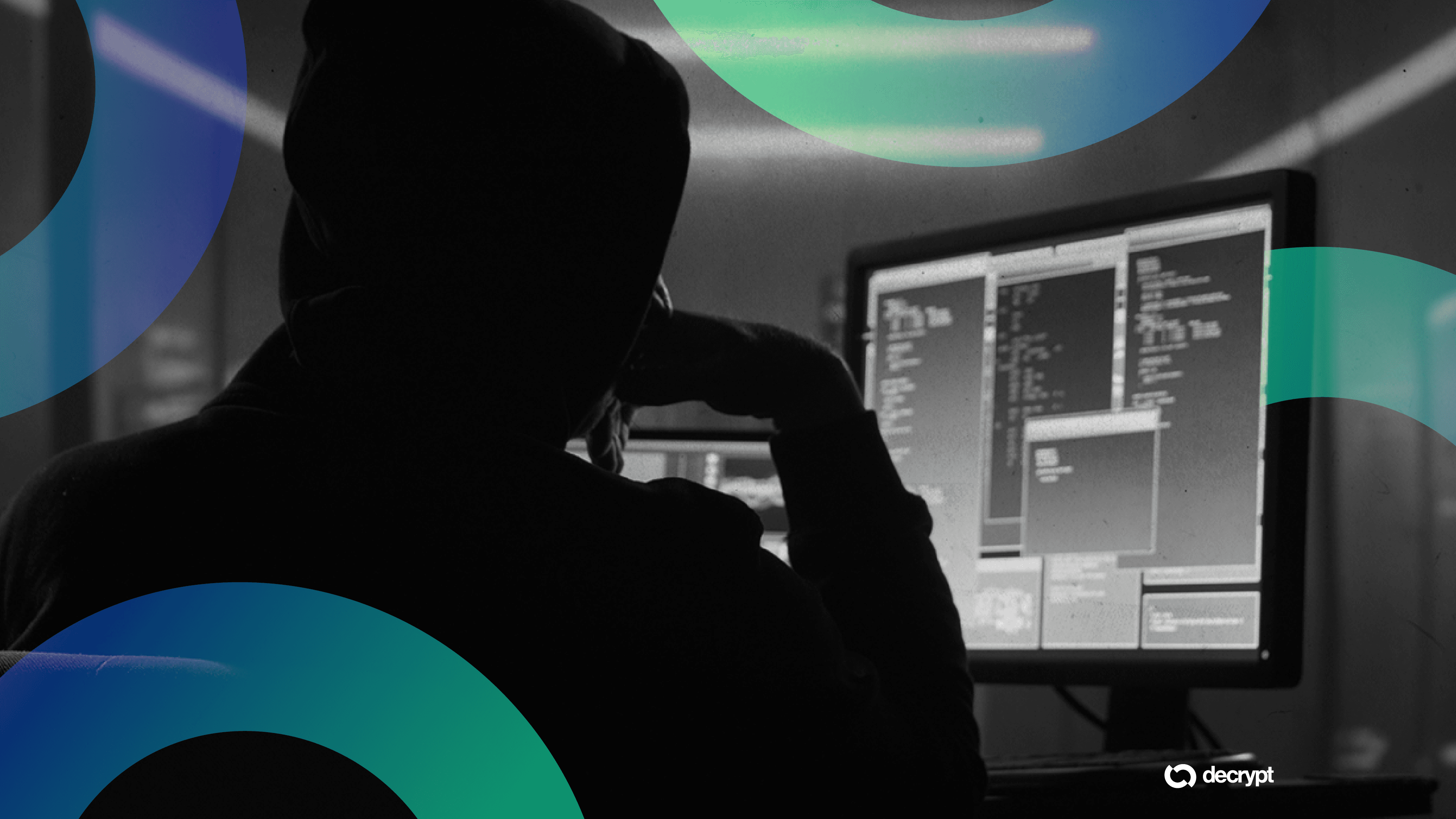
North Korea has reportedly executed a highly sophisticated hack, targeting decentralized finance (DeFi) platforms and siphoning off approximately $285 million. This operation marks one of the most significant breaches in the DeFi space, showcasing the regime's evolving capabilities in cybercrime. The attack involved a combination of advanced techniques, including exploiting vulnerabilities in smart contracts, which has raised alarm bells across the crypto community. Such a large-scale theft not only emphasizes the risks associated with DeFi platforms but also highlights the ongoing geopolitical tensions that can manifest in the digital currency space.
The context of this incident is critical for understanding its implications. Over the past few years, North Korea has increasingly turned to cybercrime as a means of funding its regime, especially in light of international sanctions that have limited its access to traditional financial systems. The country has been linked to several high-profile hacks, including the infamous 2014 Sony Pictures attack and the 2017 WannaCry ransomware incident. With the DeFi sector witnessing exponential growth, it has become an attractive target for state-sponsored hacking, raising concerns over the security of these platforms and the assets held within them.
This breach is significant for the market as it underscores the vulnerabilities inherent in the rapidly evolving DeFi landscape. The incident could lead to a loss of confidence among investors, particularly those who may have been considering entering the DeFi space. As the market reacts, we may see increased calls for improved security measures and regulatory oversight to safeguard against future attacks. Additionally, this could spur innovation in security solutions within the industry as developers work to address the weaknesses that were exploited in this case.
Reactions from industry experts reflect a mix of concern and determination. Many in the crypto community have expressed dismay at the magnitude of the breach but also emphasized the need for stronger security protocols and community-driven initiatives to prevent such incidents. Some analysts suggest that while this hack is troubling, it may also serve as a catalyst for the development of more resilient DeFi platforms. Others point out that the incident could lead to renewed discussions around the necessity of regulatory measures, as governments seek to protect their citizens from the repercussions of these high-stakes cyber activities.
Looking ahead, the implications of this hack will likely reverberate through the DeFi sector and the broader crypto market. We may see a shift in how security is prioritized, with platforms investing more heavily in audits and protective measures. Furthermore, regulatory bodies might take a closer look at the DeFi landscape, potentially leading to new legislation aimed at curbing state-sponsored cybercrime. As the industry grapples with the fallout from this breach, it will be crucial for stakeholders to collaborate and establish a safer environment for all participants in the crypto ecosystem.
CM
Doi ngu CoinMagnetic
Chung toi dau tu tien cua minh va chia se kinh nghiem thuc te ve crypto, DeFi va airdrop.
Cap nhat: tháng 4 năm 2026
Ban muon nhan tin tuc som nhat?
Theo doi kenh Telegram cua chung toi – chung toi dang tin tuc quan trong va phan tich.
Theo doi kenh