Quy dinhGiam
Microsoft says legacy banks are hitting a breaking point as AI takes over the heavy lifting
Nguon: CoinDesk
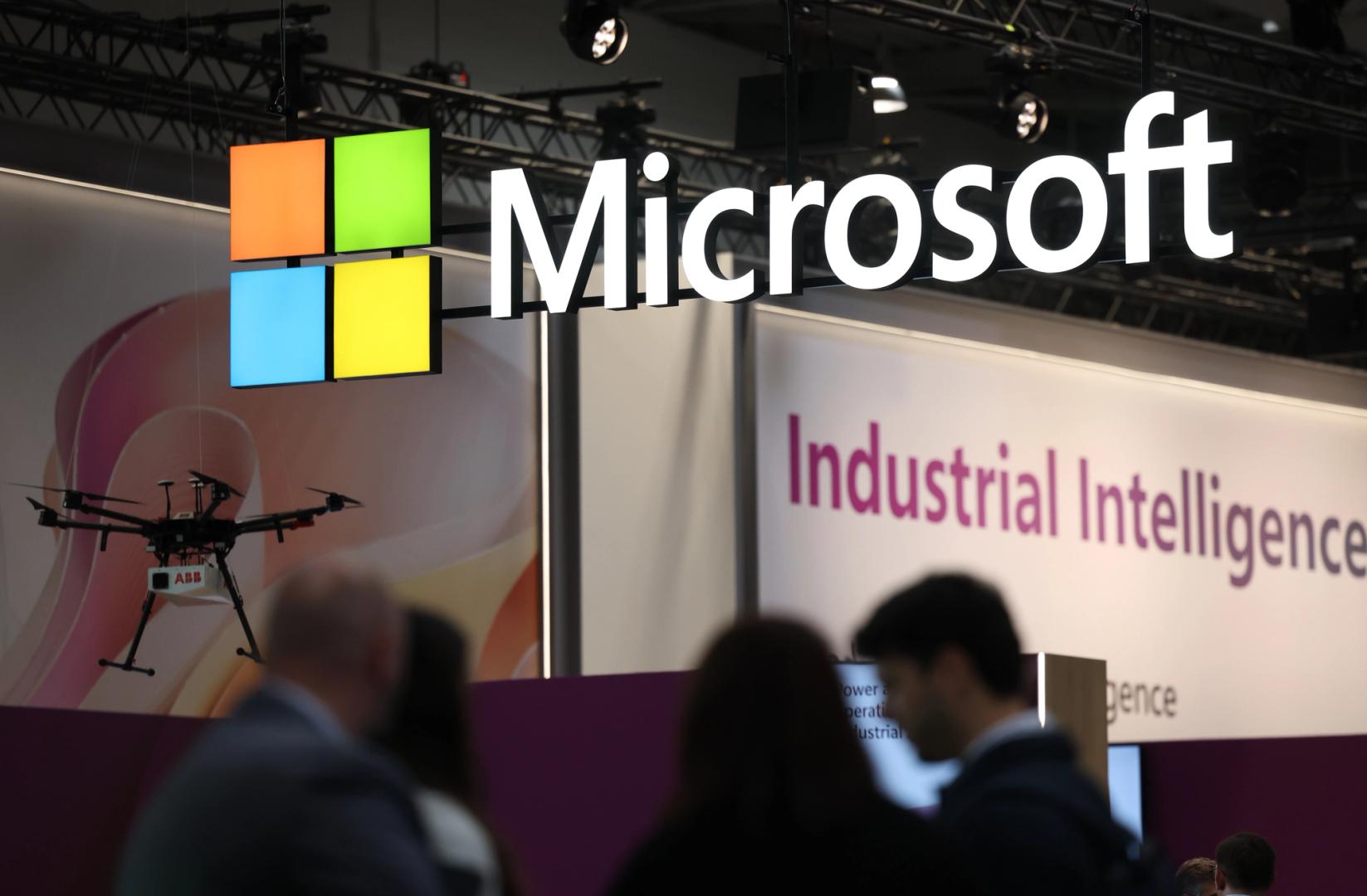
In a recent statement, executives from Microsoft and Chainalysis have highlighted a critical juncture for legacy banks as artificial intelligence (AI) takes on a larger role in managing transactions. They warned that traditional financial institutions are reaching a breaking point, where outdated infrastructures can no longer support the demands of modern AI systems. The call to action emphasizes the need for banks to prioritize machine identity and trust, indicating a transformative shift that could redefine how financial services operate. As AI technologies become more integrated into payment systems and transaction processing, the urgency for banks to adapt has never been more pronounced.
The discussion surrounding the impact of AI on banking is not new, but it has gained momentum as advancements in technology have accelerated. Legacy systems, many of which were built decades ago, are often unable to handle the volume and complexity of transactions that AI can manage. Institutions have been slow to adapt to the digital age, clinging to outdated practices that hinder their competitiveness in a rapidly evolving market. This resistance to change underscores a broader trend within the financial industry, where the pressure to modernize is becoming increasingly apparent.
Understanding the implications of this transition is crucial for market players. The growing reliance on AI could lead to significant efficiencies in transaction processing, risk management, and customer service. However, it also raises concerns about data security, compliance, and the potential for systemic risks if the technology is not implemented properly. As banks begin to embrace AI more fully, we may see a shift in market dynamics, with agile fintechs potentially outpacing traditional banks that fail to adapt. Therefore, how these institutions respond to the AI challenge could shape their future viability and influence the overall landscape of the financial industry.
Industry experts have weighed in on this development, noting that the embrace of AI is not just about efficiency but also about building trust with consumers. The capacity for AI to manage transactions securely and transparently could enhance customer confidence, but it requires a fundamental rethinking of how banks operate. Some analysts suggest that those banks that proactively invest in AI and modernize their infrastructures may find themselves at a distinct advantage, while others could struggle to keep pace. The dialogue surrounding the integration of AI into banking is evolving, with many stakeholders calling for a collaborative approach to ensure that security and innovation go hand in hand.
Looking ahead, the path for legacy banks is fraught with challenges but also ripe with opportunities. As AI continues to evolve, we expect to see a growing emphasis on regulatory frameworks that govern its implementation within the financial sector. This will likely lead to an increased focus on best practices for machine identity and trust. Banks will need to not only invest in technology but also engage in strategic partnerships with tech firms to navigate this complex landscape. The next few years will be pivotal as we observe how banks adapt to these changes and whether they can successfully leverage AI to enhance their operations while maintaining consumer trust.

Tu phan tich cua chung toi:
Ban muon nhan tin tuc som nhat?
Theo doi kenh Telegram cua chung toi – chung toi dang tin tuc quan trong va phan tich.
Theo doi kenh