Bao matGiam
LayerZero Pins $292M KelpDAO Bridge Hack on North Korea’s Lazarus Group
Nguon: Decrypt

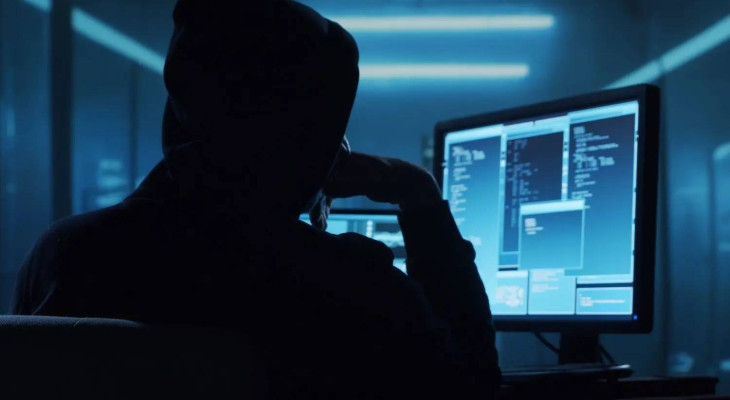
LayerZero, a prominent interoperability protocol, recently revealed that the $292 million hack of the KelpDAO bridge has been attributed to North Korea’s infamous Lazarus Group. The breach involved sophisticated tactics where attackers successfully forged a cross-chain message, allowing them to exploit vulnerabilities in the bridge's infrastructure. Alarmingly, they nearly executed a second drain within minutes of the initial attack, showcasing their audacity and technical prowess. Furthermore, the attackers took meticulous steps to erase their digital footprints as they exited, leaving investigators with a challenging puzzle to solve.
The Lazarus Group has long been linked to various cyberattacks and is believed to operate under the auspices of the North Korean government. This group has gained notoriety for its high-profile hacks, including the infamous Sony Pictures breach and the WannaCry ransomware attack. The KelpDAO incident serves as a stark reminder of the ongoing threats posed by state-sponsored hacking groups in the digital finance space. The increasing sophistication of these attacks underscores the vulnerability of blockchain technologies, particularly decentralized finance (DeFi) platforms that rely heavily on cross-chain capabilities.
This hack is significant for the broader cryptocurrency market as it raises critical concerns about security protocols within DeFi ecosystems. With the amount stolen being one of the largest in recent history, it highlights the urgent need for improved security measures and better risk management strategies across the industry. Investors may become more cautious, leading to a potential slowdown in capital flow into DeFi projects. Additionally, it could trigger regulatory scrutiny as authorities grapple with the implications of such large-scale cyberattacks.
Industry reactions have been mixed, with many experts calling for heightened awareness and collaboration among projects to address vulnerabilities. Some prominent figures in the crypto space have emphasized the importance of building more resilient infrastructures and advocating for the adoption of best practices in security. Others have pointed out that as long as there are financial incentives, sophisticated attackers will continue to evolve their methods. This sentiment has led to calls for increased transparency and sharing of threat intelligence among blockchain projects.
Looking ahead, it remains to be seen how the industry will respond to this breach. There may be a push for more robust security audits and a review of existing protocols to mitigate risks associated with potential hacking attempts. Furthermore, if the Lazarus Group is indeed confirmed as the perpetrator, it could lead to greater international collaboration in combating cybercrime related to cryptocurrency. As the landscape evolves, continuous vigilance and innovation will be essential in safeguarding the future of digital assets and blockchain technology.
CM
Doi ngu CoinMagnetic
Chung toi dau tu tien cua minh va chia se kinh nghiem thuc te ve crypto, DeFi va airdrop.
Cap nhat: tháng 4 năm 2026
Tu phan tich cua chung toi:
Ban muon nhan tin tuc som nhat?
Theo doi kenh Telegram cua chung toi – chung toi dang tin tuc quan trong va phan tich.
Theo doi kenh