Thi truongTrung lap
Iran Wants Bitcoin Payments From Oil Ships Seeking Hormuz Passage: FT
Nguon: Decrypt
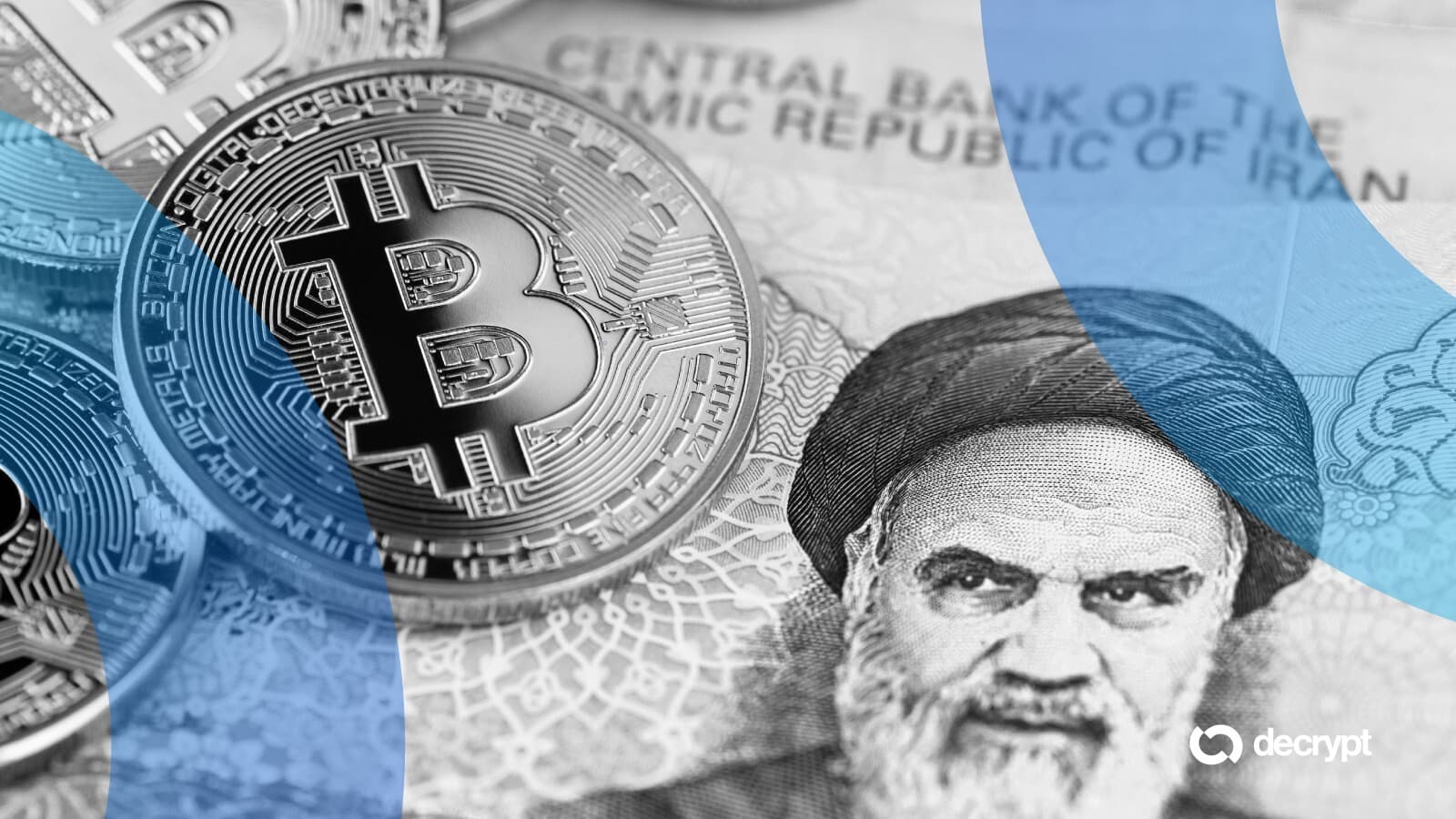
Iranian officials have recently announced their intention to accept Bitcoin payments for oil ships seeking passage through the Strait of Hormuz. This move is part of a broader strategy to navigate the economic challenges posed by international sanctions. By utilizing cryptocurrency, the Iranian government aims to create a payment system that is less vulnerable to confiscation or tracking by foreign entities. The officials highlighted that Bitcoin would offer a more secure and discreet method for conducting transactions in an increasingly hostile economic environment.
The backdrop to this announcement is Iran's long-standing struggle with sanctions imposed by various countries, particularly the United States. These sanctions have significantly impacted the country's economy, making it difficult for Iran to engage in conventional trade, especially in oil–a cornerstone of its economy. The use of cryptocurrencies, particularly Bitcoin, has gained traction in Iran as a means of evading these economic restrictions. Over the past few years, Iran has been exploring various ways to integrate cryptocurrency into its financial systems, reflecting a growing trend among nations facing similar sanctions.
This shift towards Bitcoin payments for oil shipments could have significant implications for the market. It may not only bolster the legitimacy of cryptocurrencies in international trade but also challenge the dominance of traditional fiat currencies in global oil transactions. If successful, this could pave the way for other nations under sanctions to consider similar strategies, potentially increasing the adoption of cryptocurrencies as an alternative means of transaction. Moreover, it might lead to heightened volatility in Bitcoin's price as demand from such transactions increases.
Industry experts have expressed mixed reactions to Iran's announcement. Some view it as a pragmatic move that highlights the increasing acceptance of digital currencies in global trade, while others caution against the potential risks involved. There are concerns regarding the regulatory implications and the potential for further isolation of Iran from the international financial system. Additionally, experts question whether Bitcoin's volatility could pose challenges for Iran in managing its oil revenue effectively.
Looking ahead, the situation could unfold in several ways. Should Iran successfully implement Bitcoin payments for oil shipments, it could inspire a ripple effect among other sanctioned nations. Conversely, increased scrutiny from international regulators and financial institutions may arise, potentially leading to further complications for Iran’s already strained economic situation. The coming months will be crucial in determining how this initiative impacts both Iran's economy and the broader cryptocurrency landscape.
Doi ngu CoinMagnetic
Chung toi dau tu tien cua minh va chia se kinh nghiem thuc te ve crypto, DeFi va airdrop.
Cap nhat: tháng 4 năm 2026
Ban muon nhan tin tuc som nhat?
Theo doi kenh Telegram cua chung toi – chung toi dang tin tuc quan trong va phan tich.
Theo doi kenh