Quy dinhGiam
Europe’s banks are going all in on crypto
Nguon: CoinDesk

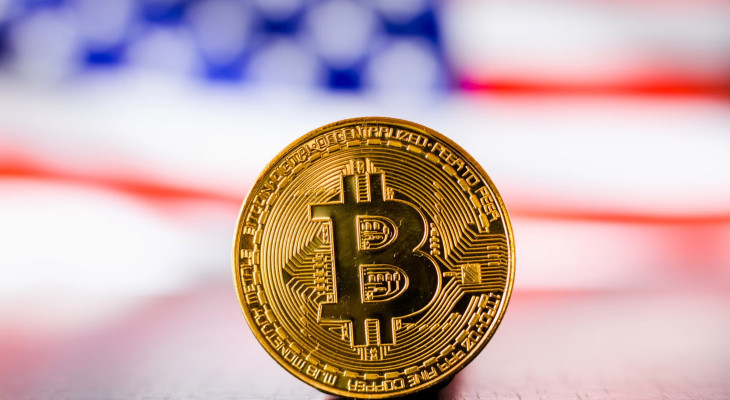
Recent developments in Europe indicate a significant shift as European banks are increasingly integrating cryptocurrency services into their traditional brokerage and payments infrastructure. This move comes in the wake of the Markets in Crypto-Assets (MiCA) regulation, which aims to create a comprehensive framework for the regulation of digital assets within the European Union. Banks are not only adopting crypto trading capabilities but are also enhancing their offerings to include custodial services and payment solutions involving cryptocurrencies. This transition signals a broader acceptance of digital assets among established financial institutions, setting the stage for a more robust crypto ecosystem in Europe.
The context behind this trend can be traced back to the growing demand for crypto-related services from consumers and businesses alike. As cryptocurrencies gain mainstream popularity, traditional financial institutions have recognized the necessity to adapt to changing market dynamics. MiCA is pivotal in providing a regulatory framework that addresses concerns over consumer protection, financial stability, and anti-money laundering, thereby fostering a safer environment for both banks and their clients. As a result, banks are feeling more confident in venturing into the crypto space, knowing that there is a legal structure to support their operations.
This integration of cryptocurrency services by European banks is significant for several reasons. Firstly, it legitimizes the crypto industry, as established financial players entering the space can enhance public trust in digital assets. Secondly, it opens up new revenue streams for banks, allowing them to cater to a growing segment of tech-savvy customers eager for access to digital currencies. Furthermore, by facilitating crypto transactions, banks can help bridge the gap between traditional finance and the emerging digital economy, potentially leading to increased adoption of cryptocurrencies in everyday transactions.
Industry reactions to this shift have been largely positive. Experts believe that the move by banks to incorporate crypto services could lead to a more stable market, as traditional financial institutions bring their expertise in risk management and compliance to the cryptocurrency realm. Some analysts suggest that this could also encourage more institutional investment in digital assets, further driving the market's maturation. However, there are concerns regarding the potential for regulatory challenges and the need for banks to navigate the complexities of operating in a rapidly evolving landscape.
Looking ahead, the momentum generated by European banks entering the crypto market is expected to continue, with more institutions likely to follow suit. As MiCA takes effect and more clarity emerges regarding regulatory compliance, we anticipate a wave of innovations in crypto-related financial products and services. This could lead to increased competition among banks and a more comprehensive suite of offerings for consumers. The next few years will be crucial in determining how the relationship between traditional finance and cryptocurrencies evolves, and it will be interesting to observe how this integration reshapes the financial landscape in Europe and beyond.
CM
Doi ngu CoinMagnetic
Chung toi dau tu tien cua minh va chia se kinh nghiem thuc te ve crypto, DeFi va airdrop.
Cap nhat: tháng 4 năm 2026
Tu phan tich cua chung toi:
Ban muon nhan tin tuc som nhat?
Theo doi kenh Telegram cua chung toi – chung toi dang tin tuc quan trong va phan tich.
Theo doi kenh