Thi truongTrung lap
EU’s largest measures against Russia yet include escalation of crypto sanctions evasion
Nguon: CoinDesk
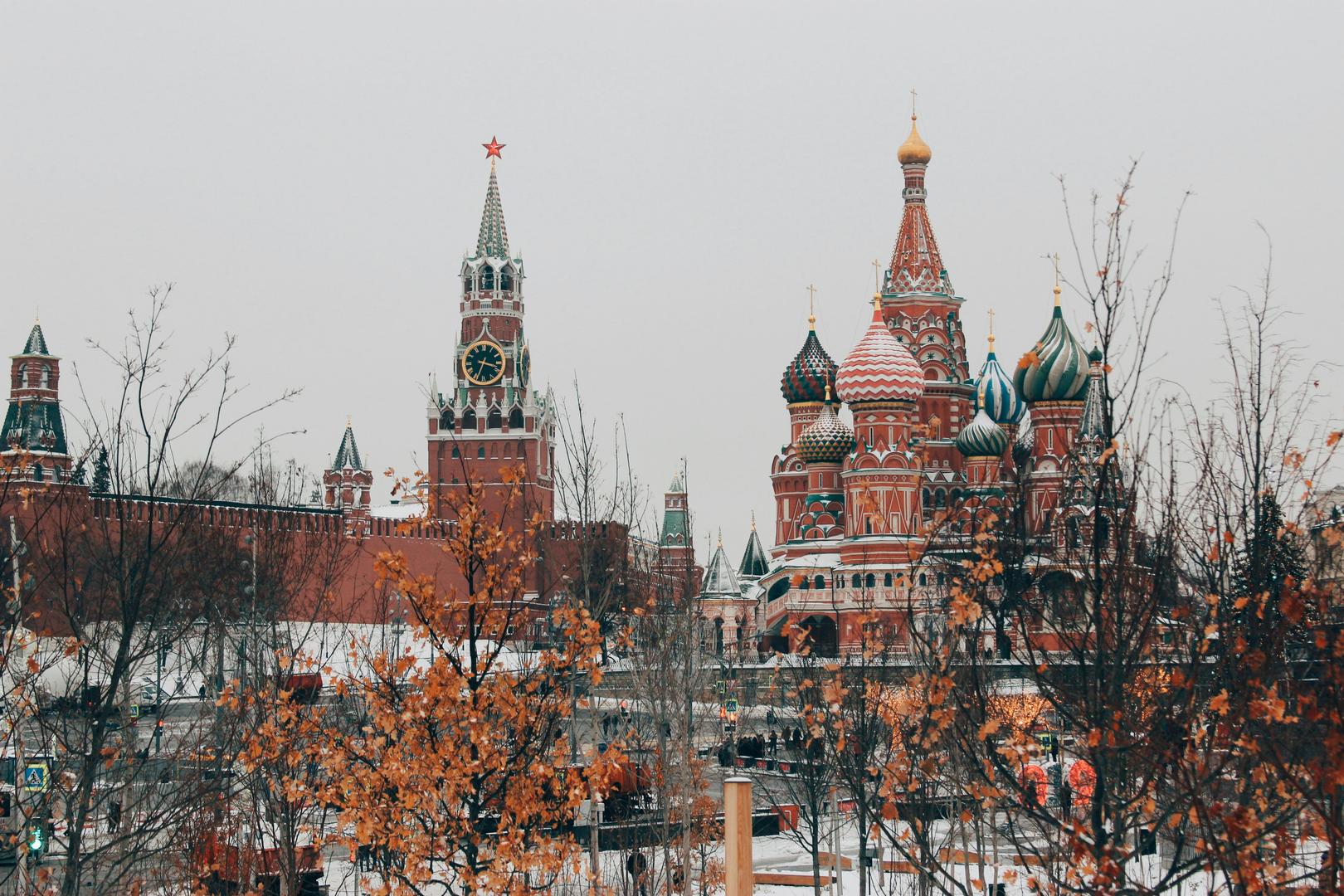
The European Union has recently announced its largest set of measures against Russia to date, with a significant focus on the use of cryptocurrency as a means for the country to evade sanctions. The EU's latest sanctions package highlights the growing concern that Russia is turning to digital assets to mitigate the economic impact of the sanctions imposed in response to its ongoing conflict in Ukraine. This move marks an important escalation in the EU's approach to tackling the financial strategies employed by Russia, as the bloc seeks to close loopholes that allow for the circumvention of existing sanctions.
The context of these developments is rooted in the ongoing geopolitical tensions that have escalated since the onset of the conflict in Ukraine. Following the initial sanctions imposed on Russia in 2022, the EU has been vigilant in monitoring the country's economic activities, particularly in the realm of digital currencies. In recent months, various reports have indicated that Russian entities and individuals have increasingly turned to cryptocurrencies, taking advantage of the decentralized and opaque nature of these assets to move capital and conduct transactions without detection. This trend has raised alarms among EU officials, prompting a reevaluation of existing measures to ensure that they adequately address the evolving tactics of sanctions evasion.
The implications of this new round of sanctions are significant for the cryptocurrency market. As the EU takes a firmer stance, it could lead to increased regulatory scrutiny on crypto exchanges and service providers operating within its jurisdiction. This could potentially result in stricter compliance requirements and reporting obligations aimed at preventing illicit activities linked to digital assets. Additionally, the actions taken by the EU might influence other jurisdictions to adopt similar measures, further shaping the regulatory landscape for cryptocurrencies globally. Market participants will likely be closely watching how this situation unfolds and its effects on trading volumes and asset prices.
Industry experts have voiced a mix of concern and optimism regarding the EU's latest sanctions measures. Some analysts highlight that while increased regulation may enhance the legitimacy of cryptocurrencies by pushing for greater transparency, it could also stifle innovation and drive certain activities underground. Others believe that this move demonstrates a growing recognition of the role digital assets play in the global financial ecosystem, suggesting that regulatory frameworks could eventually evolve to accommodate legitimate uses of cryptocurrency while still combatting illicit activities. The consensus seems to indicate that the industry must prepare for a more complex regulatory environment.
Looking ahead, it is clear that the EU's actions will prompt further discussions on the intersection of cryptocurrency and international sanctions. As governments and regulatory bodies worldwide respond to these developments, we can expect to see ongoing debates over the balance between fostering innovation in the crypto space and ensuring financial integrity. Stakeholders within the industry will need to remain agile and proactive in navigating this changing landscape, as the implications of these sanctions will undoubtedly reverberate through the market in the coming months.

Tu phan tich cua chung toi:
Ban muon nhan tin tuc som nhat?
Theo doi kenh Telegram cua chung toi – chung toi dang tin tuc quan trong va phan tich.
Theo doi kenh