Quy dinhTrung lap
DeFi vs. Wall Street: Blockchain Association challenges Citadel over SEC’s innovation exemption
Nguon: The Block
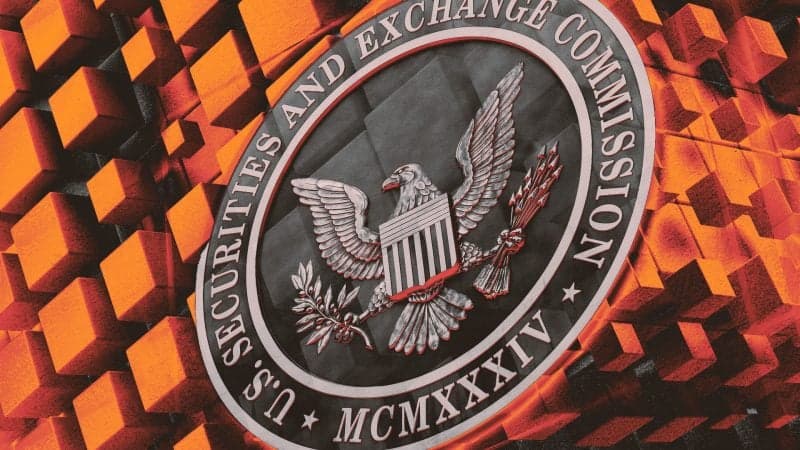
The Blockchain Association has recently made headlines by sending a letter to Citadel Securities, directly challenging the company’s stance concerning the Securities and Exchange Commission’s (SEC) treatment of decentralized finance (DeFi) protocols. The letter, sent on Monday, argues for a more nuanced understanding of innovation in the financial space, particularly as it relates to the evolving landscape of DeFi. The Blockchain Association contends that the SEC should recognize the unique characteristics of DeFi platforms and ensure that regulatory frameworks do not hinder their growth and innovation.
To understand the significance of this challenge, it’s important to consider the broader context of regulatory scrutiny facing both traditional financial institutions and the burgeoning DeFi sector. For years, the SEC has been grappling with how to regulate digital assets and DeFi, which operate outside of traditional banking systems. Citadel Securities, a major player in the finance industry, has been vocal about its concerns regarding the regulatory environment and its potential impact on market stability. The clash between traditional finance and DeFi has been intensifying, as both sectors vie for a clearer regulatory framework that either supports or restricts their operations.
This confrontation matters for the market as it highlights the ongoing tension between innovation and regulation. The outcome of the Blockchain Association's challenge could set a precedent for how DeFi protocols are treated under U.S. law, potentially paving the way for a more favorable regulatory environment. If the SEC leans toward accommodating DeFi, it could encourage greater investment and participation in the sector, allowing it to flourish alongside traditional finance. Conversely, a restrictive stance could stifle innovation and limit the potential benefits that DeFi can offer to the financial ecosystem.
Industry reactions to this challenge have been mixed, with many experts weighing in on the implications. Some view the Blockchain Association’s initiative as a necessary step towards protecting the interests of the DeFi community, arguing that innovation should not be stifled by outdated regulatory frameworks. Others express concern that the push for a more lenient regulatory approach could lead to increased risks within the financial system, particularly if DeFi protocols are not held to the same standards as traditional financial institutions. This debate underscores the complexity of balancing innovation with consumer protection and market stability.
As we look forward, the outcome of this challenge remains uncertain, but it is clear that the dialogue between DeFi advocates and traditional financial institutions is far from over. The SEC will need to navigate these competing interests carefully as it considers how to regulate this rapidly evolving sector. The coming months will be crucial for both DeFi and Wall Street, as each side pushes for clarity and a framework that can accommodate the innovations of the future while ensuring the integrity of the financial system.
CM
Doi ngu CoinMagnetic
Chung toi dau tu tien cua minh va chia se kinh nghiem thuc te ve crypto, DeFi va airdrop.
Cap nhat: tháng 4 năm 2026
Ban muon nhan tin tuc som nhat?
Theo doi kenh Telegram cua chung toi – chung toi dang tin tuc quan trong va phan tich.
Theo doi kenh