Quy dinhGiam
Crypto to enter the US banking system through a backdoor, not through regulation
Nguon: CryptoSlate
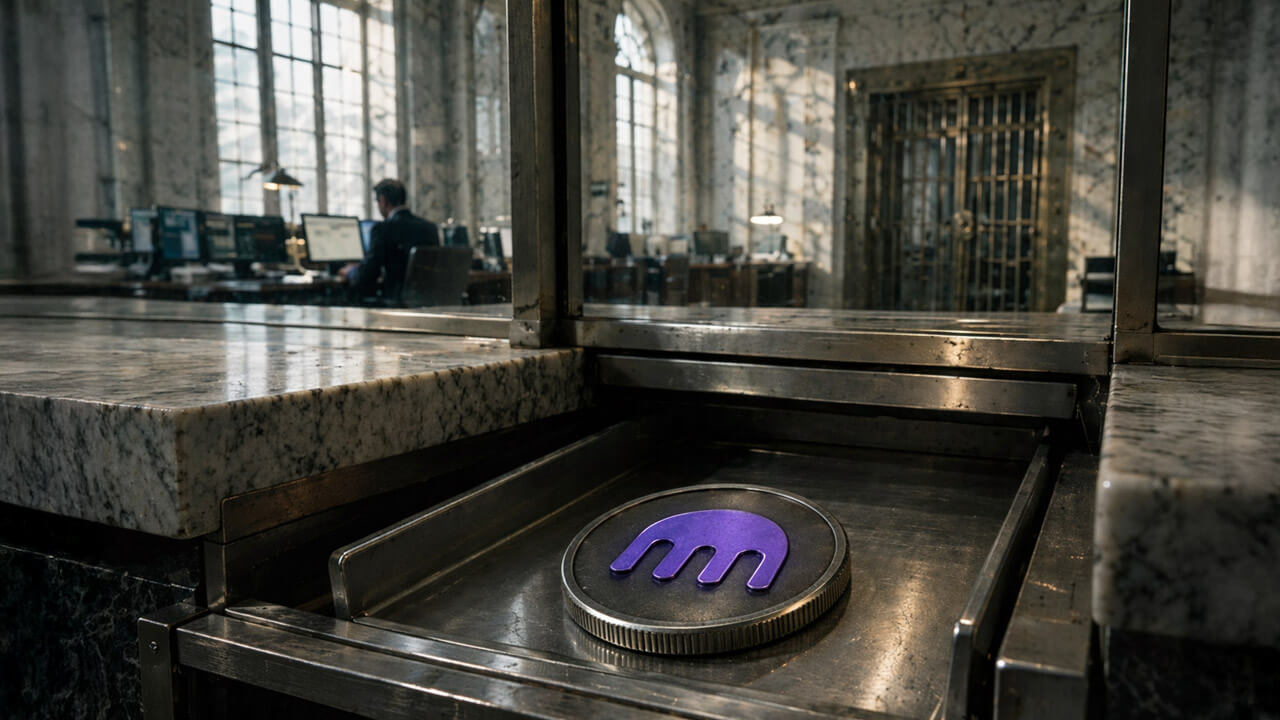
Recent developments suggest that cryptocurrencies may soon gain a foothold within the U.S. banking system, albeit through unconventional pathways rather than through formal regulatory channels. The notion that crypto would remain outside traditional financial infrastructures has long been a prevailing sentiment. However, recent moves indicate that the integration of digital assets into mainstream banking could occur through intermediaries and existing financial frameworks, effectively creating a 'backdoor' entry into the system. This shift could enable more seamless transactions between fiat currencies and cryptocurrencies, ultimately broadening market access for both retail and institutional investors.
Historically, cryptocurrencies were designed to operate outside the purview of traditional banking systems–emphasizing decentralization and autonomy. However, as the demand for digital currencies grows, the necessity for compatibility with established financial systems has become increasingly apparent. The U.S. banking landscape has been slow to embrace crypto, primarily due to regulatory uncertainty. Yet, as financial institutions explore innovative ways to offer crypto-related services, a gradual shift may be underway that allows for the coexistence of both worlds without direct regulatory involvement.
This potential integration into the banking system carries significant implications for the cryptocurrency market. It may lead to greater legitimacy and acceptance of digital assets, which could stimulate investment and trading activity. Furthermore, the ability to conduct transactions more fluidly between fiat and crypto could enhance liquidity and market stability. As more banks begin to offer crypto services, we could witness a surge in institutional adoption, fundamentally altering the landscape of both traditional finance and the crypto ecosystem.
Industry experts have expressed mixed reactions to this development. Some view it as a positive evolution, indicating that cryptocurrencies are being recognized as a legitimate financial asset class. Others, however, caution against the potential pitfalls of such an arrangement, fearing it could dilute the core principles of decentralization that many cryptocurrencies were built upon. The conversation continues to evolve as stakeholders grapple with the implications of integrating digital assets into a framework that has historically resisted change.
Looking ahead, the likelihood of cryptocurrencies entering the U.S. banking system through these alternative routes suggests a gradual but profound transformation in the financial landscape. As banks begin to navigate the complexities of offering crypto services, we may see more innovation in financial products and services that cater to digital asset holders. The trajectory of this integration will be closely monitored, as it could pave the way for more comprehensive regulatory frameworks that are informed by real-world usage and adoption trends.
CM
Doi ngu CoinMagnetic
Chung toi dau tu tien cua minh va chia se kinh nghiem thuc te ve crypto, DeFi va airdrop.
Cap nhat: tháng 4 năm 2026
Tu phan tich cua chung toi:
Ban muon nhan tin tuc som nhat?
Theo doi kenh Telegram cua chung toi – chung toi dang tin tuc quan trong va phan tich.
Theo doi kenh