Quy dinhTrung lap
CFTC sues Wisconsin in agency's legal campaign defending prediction markets authority
Nguon: CoinDesk
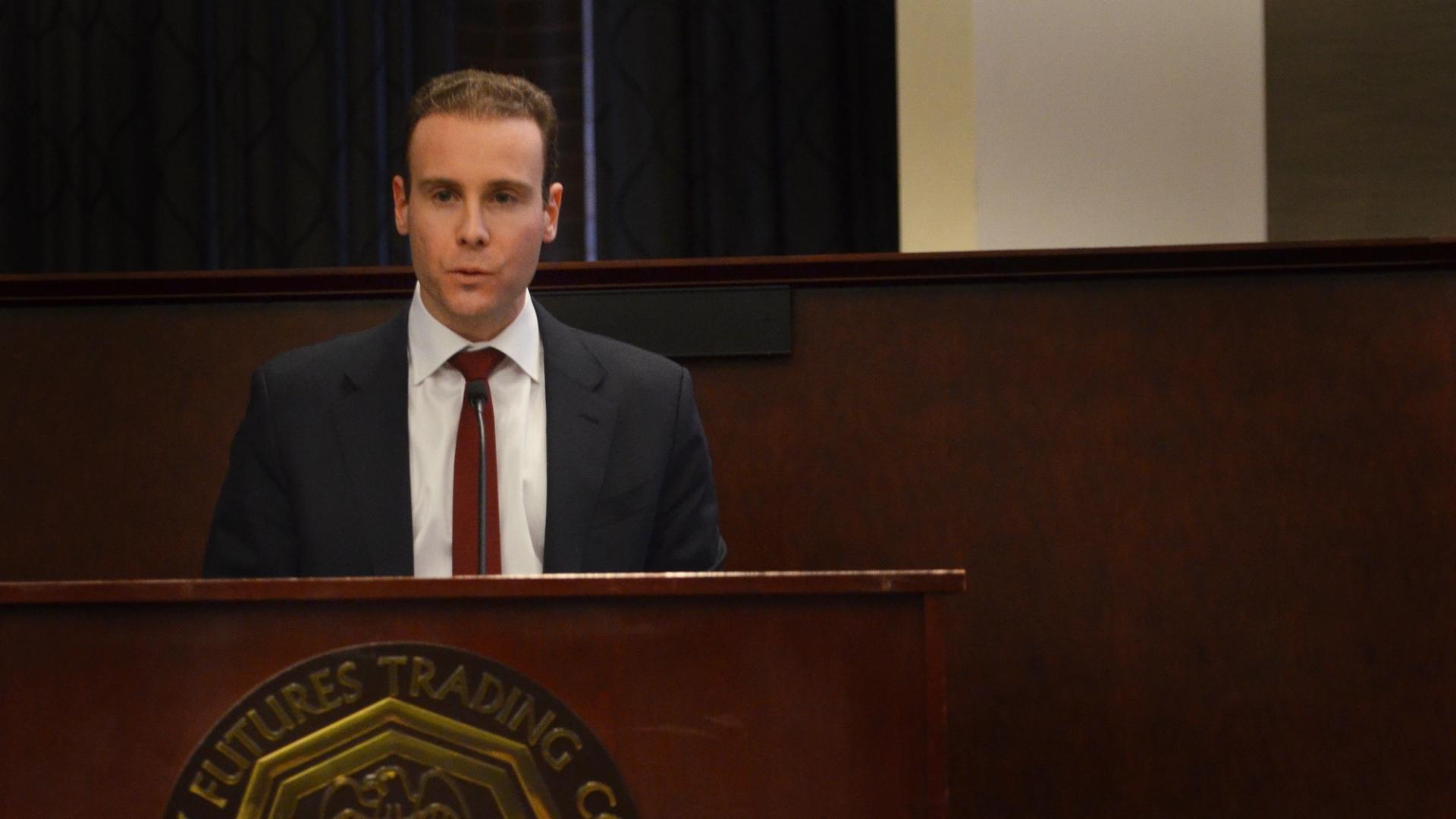
The U.S. Commodity Futures Trading Commission (CFTC) has recently launched a lawsuit against the state of Wisconsin as part of its ongoing legal campaign to assert its authority over prediction markets. This move follows similar legal actions taken against other states, including New York. The CFTC's primary goal is to clarify whether states can regulate event contracts and prediction markets that fall under the agency's jurisdiction. The lawsuit comes at a time when the regulatory landscape for such markets is becoming increasingly complex and contentious.
The context behind the CFTC's actions lies in the growing popularity of prediction markets, which allow participants to bet on the outcomes of various events, from sports games to political elections. Historically, these markets have operated in a gray area concerning regulation. While the CFTC has asserted that it has jurisdiction over these types of contracts, certain states have taken measures to regulate them independently. This has led to a patchwork of regulations that can stifle innovation and complicate the operational landscape for companies involved in prediction markets.
This legal battle is significant for the market as it could set a precedent for how prediction markets are regulated across the United States. If the CFTC succeeds in asserting its authority, it could pave the way for a more unified regulatory framework, potentially encouraging investment and participation in these markets. Conversely, if states are able to maintain their regulatory independence, it could lead to further fragmentation and uncertainty, which might deter new entrants and innovation in the prediction market space.
Industry reactions have been mixed, with some experts applauding the CFTC's efforts to clarify the regulatory landscape, viewing it as a necessary step for the maturation of the prediction market sector. Others, however, are concerned that federal oversight may stifle local innovation and limit the ability of states to tailor regulations to their unique markets. Legal experts emphasize the need for a balanced approach that fosters innovation while ensuring consumer protection.
Looking ahead, the outcome of this lawsuit could have far-reaching implications for the future of prediction markets in the U.S. As the CFTC continues its legal campaign, stakeholders across the industry will be closely monitoring the developments. The resolution of these legal challenges may ultimately influence how prediction markets operate and are regulated, shaping the landscape for years to come.

Tu phan tich cua chung toi:
Ban muon nhan tin tuc som nhat?
Theo doi kenh Telegram cua chung toi – chung toi dang tin tuc quan trong va phan tich.
Theo doi kenh