Quy dinhGiam
CFTC pulls Wisconsin into fight over prediction market jurisdiction
Nguon: Cointelegraph

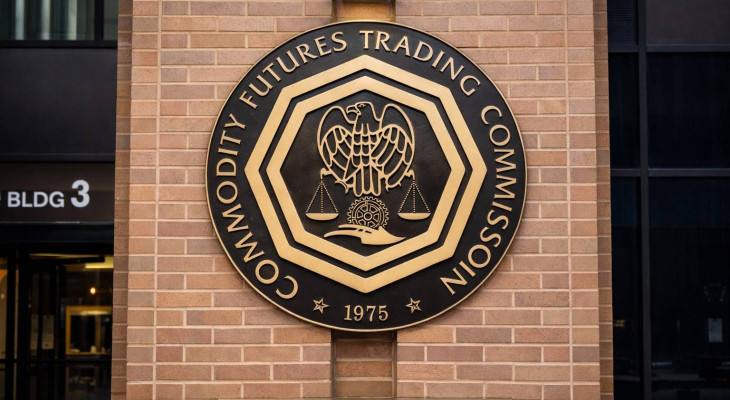
The US Commodity Futures Trading Commission (CFTC) has initiated a lawsuit against the state of Wisconsin, marking its fifth legal battle to assert jurisdiction over prediction markets. This lawsuit is part of the CFTC's broader effort to establish regulatory oversight in a sector that has been gaining traction in recent years. The commission argues that prediction markets–platforms where participants wager on the outcomes of future events–fall under its purview, as they resemble other derivative markets that the CFTC regulates. This legal action underscores the agency's determination to clarify the regulatory landscape surrounding these emerging platforms, which have been the subject of debate regarding their classification and oversight.
To understand the significance of this lawsuit, it's essential to consider the evolving nature of prediction markets. Unlike traditional gambling, these markets allow users to bet on a variety of outcomes, from political elections to sports events, often providing liquidity and insights into public sentiment. In recent years, these platforms have attracted interest from both retail and institutional investors, prompting regulators to take a closer look at how they fit into existing regulatory frameworks. The CFTC's actions reflect a growing recognition that prediction markets could have substantial implications for market integrity and consumer protection, thereby necessitating oversight.
The implications of the CFTC's legal maneuvering extend beyond Wisconsin. By asserting jurisdiction over prediction markets, the CFTC aims to establish a precedent that could influence how these platforms operate nationwide. If the commission succeeds, it could lead to stricter regulations and compliance requirements for prediction market operators, potentially stifling innovation in this burgeoning space. Conversely, if the lawsuit fails, it could embolden prediction market operators to push back against regulatory encroachment, potentially resulting in a more fragmented regulatory environment where states adopt varying stances on oversight.
Reactions from industry experts have been mixed, with some expressing concern that increased regulation could hinder the growth of prediction markets, while others argue that some level of oversight is necessary to protect consumers and ensure fair play. Proponents of regulation contend that clear guidelines would foster trust among users and encourage more participation, ultimately leading to a more robust market. On the other hand, critics warn that excessive regulation could drive these platforms underground or push them to jurisdictions with looser oversight, undermining the very objectives regulators seek to achieve.
Looking ahead, the outcome of this lawsuit could set a critical precedent for the future of prediction markets in the United States. As the CFTC continues to assert its jurisdiction, it remains to be seen how this legal battle will unfold and what it will mean for the broader regulatory landscape. Stakeholders in the prediction market space will be closely monitoring developments, as the CFTC's actions could signal a shift in how these platforms are perceived and regulated moving forward. With the increasing convergence of technology, finance, and regulatory scrutiny, the coming months are likely to be pivotal for the future of prediction markets in the U.S.

Tu phan tich cua chung toi:
Ban muon nhan tin tuc som nhat?
Theo doi kenh Telegram cua chung toi – chung toi dang tin tuc quan trong va phan tich.
Theo doi kenh