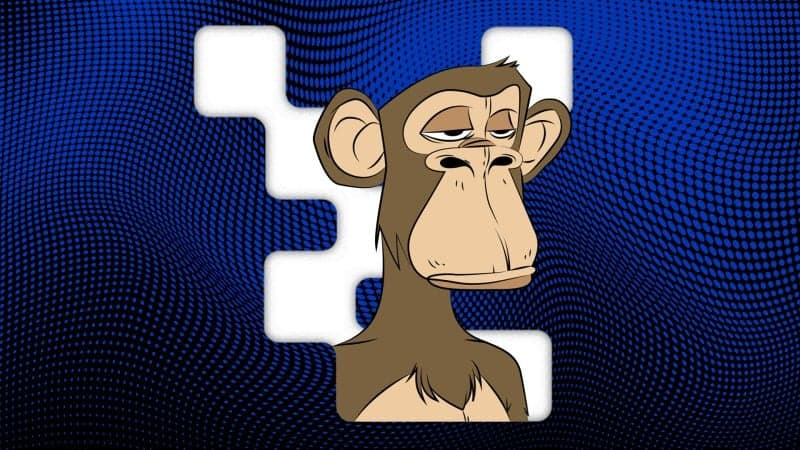
Yuga Labs, the creator behind the popular Bored Ape Yacht Club (BAYC), has reached a settlement with Ryder Ripps, an artist known for his controversial works, along with his business partner Jeremy Cahen. This resolution comes after a lengthy legal battle over trademark infringement claims related to Ripps' appropriation of the BAYC brand. The details of the settlement have not been disclosed, but both parties have expressed a mutual desire to move forward without further litigation. This case has drawn considerable attention not only for its implications for Yuga Labs but also for the broader discussions it has sparked around intellectual property and artistic expression in the NFT space.
The legal issues between Yuga Labs and Ripps stemmed from Ripps’ creation of a project that utilized the Bored Ape NFTs in a manner that Yuga Labs deemed harmful to their brand and reputation. This legal conflict has underscored the complexities surrounding intellectual property rights in the burgeoning NFT market. Ripps has argued that his work falls under the umbrella of expressive appropriation, a concept that suggests using existing artwork to create new meanings. This case has therefore not only been about the financial aspects of the BAYC brand but also about the rights of artists to reinterpret and comment on existing works.
The settlement is significant for the market as it could set a precedent for how similar cases are handled in the future. As the NFT space continues to grow, the tension between protecting intellectual property and fostering artistic creativity remains a hot topic. The outcome of this case may influence other artists and creators who find themselves navigating the thin line between inspiration and infringement. Moreover, it reflects the ongoing evolution of legal frameworks in response to the rapid developments within the crypto and NFT sectors.
Reactions from the industry have been mixed, with some applauding the settlement as a necessary step for both parties to regain focus on their respective projects. Others, however, have voiced concerns that settling may undermine the principles of creative freedom and artistic expression that many argue should thrive in the world of NFTs. Legal experts and industry commentators have been closely watching this case, as it encapsulates the broader tensions within the art community and the tech industry’s relationship with intellectual property.
Looking ahead, it remains to be seen how this settlement will influence future legal disputes in the NFT realm. With the rapid pace of innovation and the increasing number of projects entering the market, artists and creators will likely continue to test the boundaries of intellectual property rights. As Yuga Labs and Ripps move on, the implications of their settlement will likely resonate throughout the industry, prompting further dialogue about the balance between protecting original content and allowing for the free expression of ideas in the digital art space.
Doi ngu CoinMagnetic
Chung toi dau tu tien cua minh va chia se kinh nghiem thuc te ve crypto, DeFi va airdrop.
Cap nhat: tháng 4 năm 2026
Ban muon nhan tin tuc som nhat?
Theo doi kenh Telegram cua chung toi – chung toi dang tin tuc quan trong va phan tich.
Theo doi kenh