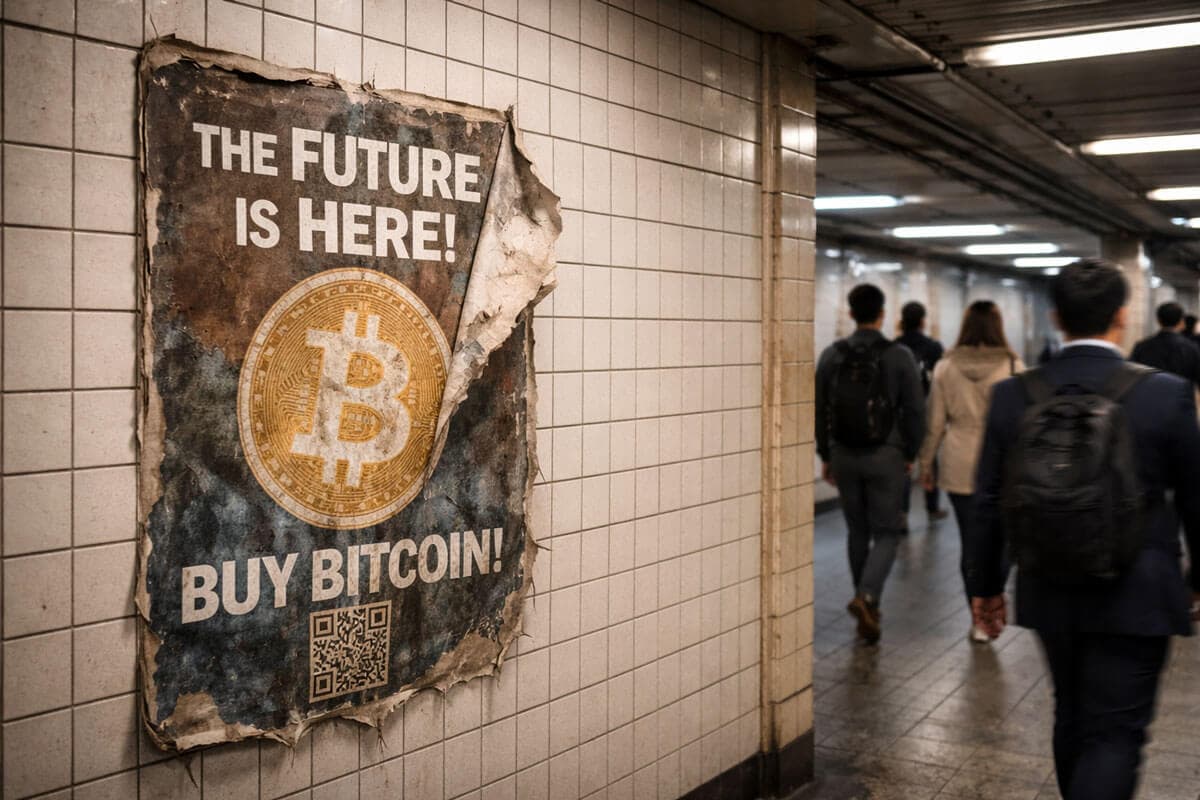
Bitcoin has made significant strides in gaining institutional interest and acceptance, yet it still struggles to capture the same level of excitement from the general public as it did during the 2017 bull run. While institutional access has reached unprecedented levels–thanks in part to the introduction of spot exchange-traded funds (ETFs) that provide a regulated pathway for previously sidelined capital–the broader appeal of Bitcoin remains muted. Corporate treasury investments have brought the cryptocurrency into boardroom discussions, and its terminology has infiltrated political and market debates. Despite these advancements, the enthusiasm that once characterized Bitcoin among everyday investors appears to be lacking.
To understand this phenomenon, we must consider the context in which Bitcoin first emerged as a household name. The 2017 bull market was fueled by a mix of speculation, media buzz, and a surge of new retail investors eager to capitalize on the digital asset's rapid price appreciation. This influx of interest was driven not only by the promise of high returns but also by a sense of community and innovation surrounding blockchain technology. Fast forward to today, and while Bitcoin has matured as an asset class, the volatility and speculative nature that initially attracted many have led to a more cautious investment approach among the average consumer.
This divergence in sentiment is crucial for the overall market landscape. While institutional investment can provide stability and legitimacy to Bitcoin, the lack of retail enthusiasm may hinder its potential for widespread adoption and price appreciation. Retail investors often serve as a key driver of market momentum, and without their engagement, Bitcoin may struggle to reach new heights. This situation raises questions about the long-term sustainability of its current price levels and whether institutional involvement can sufficiently compensate for the absence of retail participation.
Industry reactions to this trend have been mixed. Some experts argue that the current landscape could be a temporary phase, suggesting that as Bitcoin continues to evolve and integrate into mainstream finance, public interest will inevitably follow. Others caution that the lack of retail excitement could indicate a fundamental shift in how cryptocurrencies are perceived, potentially signaling a move toward more traditional investment strategies rather than speculative trading. The consensus among analysts seems to be that while institutional investment is crucial, fostering a renewed interest among retail investors will be essential for Bitcoin's future growth.
Looking ahead, it remains to be seen how Bitcoin will navigate this complex landscape. As more institutions enter the market and regulatory frameworks continue to evolve, there may be opportunities to reignite public interest. Educational initiatives and community-building efforts could play a pivotal role in bridging the gap between institutional players and retail investors. Ultimately, the future of Bitcoin will likely hinge on its ability to resonate with the everyday individual, not just as a financial instrument but as a transformative technology that can reshape the way we think about money and value.
Doi ngu CoinMagnetic
Chung toi dau tu tien cua minh va chia se kinh nghiem thuc te ve crypto, DeFi va airdrop.
Cap nhat: tháng 4 năm 2026
Ban muon nhan tin tuc som nhat?
Theo doi kenh Telegram cua chung toi – chung toi dang tin tuc quan trong va phan tich.
Theo doi kenh