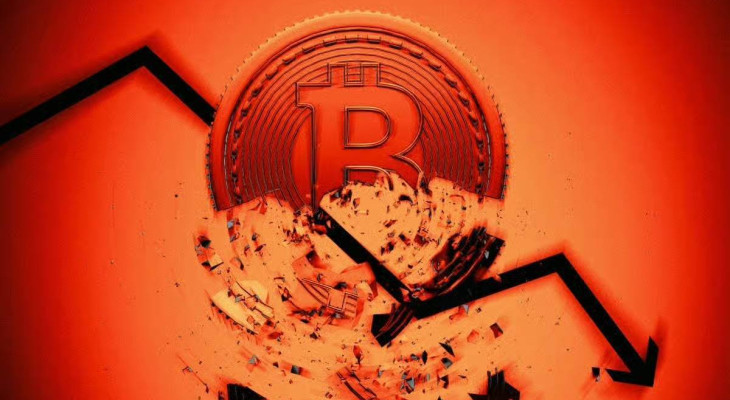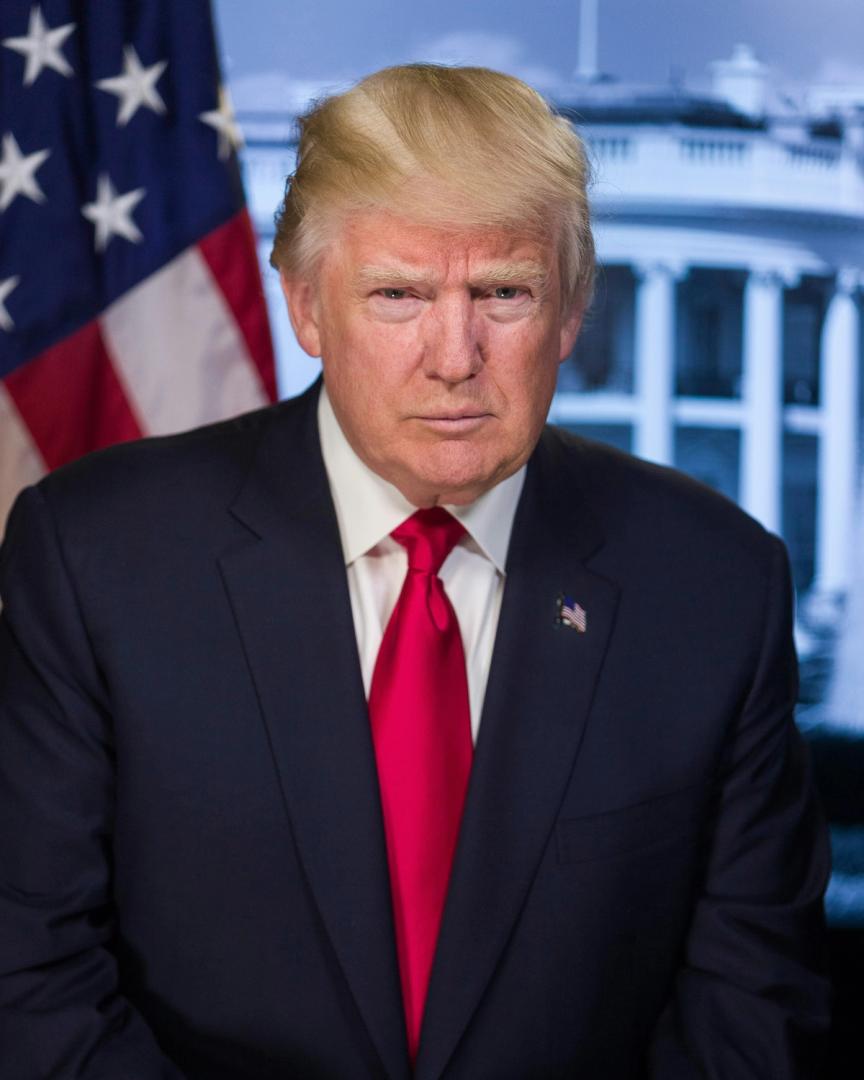
Bitcoin has recently slipped below the $71,000 mark as geopolitical tensions escalate following President Trump's directive for the U.S. Navy to enforce a blockade in the Strait of Hormuz. This announcement comes as a direct response to ongoing tensions with Iran, marking a significant shift in U.S. military strategy in the region. The blockade aims to restrict any maritime traffic entering or leaving the critical waterway, through which a substantial portion of the world's oil supply transits. As the news broke, market participants reacted swiftly, leading to a notable dip in Bitcoin's price, which many investors view as a barometer for broader market sentiment.
The Strait of Hormuz is a vital artery for global oil transportation, and any disruption there can have far-reaching implications beyond the immediate region. Historically, such military actions have prompted fluctuations in global oil prices, which can ripple through financial markets, including cryptocurrencies. The backdrop of escalating military involvement adds to the uncertainty surrounding Bitcoin and other digital assets, as they are often perceived as alternative stores of value during times of geopolitical upheaval. The situation is compounded by the existing volatility in cryptocurrency markets, making it a precarious environment for investors.
The decline in Bitcoin's value amid these tensions highlights the interconnectedness of traditional financial markets and the crypto ecosystem. Investors often turn to Bitcoin as a hedge against inflation and geopolitical instability, but when significant military actions occur, it can lead to panic selling, as seen in the recent price drop. The market's reaction reflects not only a response to immediate news but also a broader apprehension regarding how such developments might influence regulatory environments and investor confidence in cryptocurrencies moving forward.
Industry experts have been weighing in on the potential implications of this blockade. Some analysts suggest that while Bitcoin has previously shown resilience during geopolitical crises, the current environment may lead to increased volatility in the short term. Others argue that this may present a buying opportunity for long-term investors who view Bitcoin as a safe haven. The sentiment among traders seems to lean toward caution, with many expressing a desire for clearer signals from the market before making significant moves.
Looking ahead, the situation in the Strait of Hormuz and the response from global markets will be closely monitored. Should the U.S. Navy's actions lead to further escalation with Iran, we may see additional impacts on oil prices, which could, in turn, affect Bitcoin and the wider cryptocurrency market. Investors will be watching for any developments that could provide clarity on the geopolitical landscape, as well as potential regulatory changes that might stem from these events. In the meantime, the crypto community remains on edge, balancing the potential for recovery against the risks posed by ongoing global tensions.
Doi ngu CoinMagnetic
Chung toi dau tu tien cua minh va chia se kinh nghiem thuc te ve crypto, DeFi va airdrop.
Cap nhat: tháng 4 năm 2026
Ban muon nhan tin tuc som nhat?
Theo doi kenh Telegram cua chung toi – chung toi dang tin tuc quan trong va phan tich.
Theo doi kenh