Thi truongTrung lap
Bitcoin slides to $71,000 after Trump’s blockade order in Strait of Hormuz
Nguon: The Block
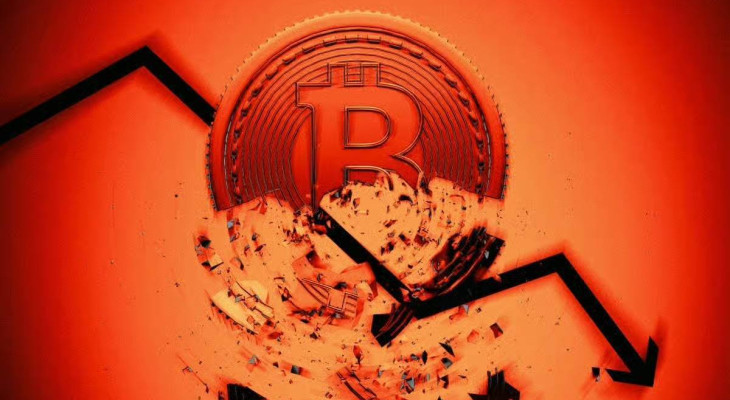
Bitcoin experienced a significant downturn, sliding to $71,000 following the announcement of former President Donald Trump’s blockade order in the Strait of Hormuz. This geopolitical development has heightened tensions in an already volatile region, prompting investors to react swiftly to the potential implications for global markets. The news came on the heels of high-level negotiations between the United States and Iran, which ultimately failed to produce a meaningful resolution, further exacerbating concerns about stability in the Middle East and its impact on the economy.
The Strait of Hormuz is a critical chokepoint for global oil shipments, and any disruption in this region can have far-reaching consequences for energy prices and, by extension, the broader economy. Historically, geopolitical tensions in the Middle East have led to increased volatility in financial markets, particularly in commodities and cryptocurrencies. Bitcoin, often viewed as a digital hedge against instability, appears to be reacting to these developments with a notable decline, indicating that even digital assets are not immune to the ripples of geopolitical events.
This decline in Bitcoin’s price is significant for the market as it reflects a broader sentiment of uncertainty. Investors often turn to cryptocurrencies during times of geopolitical strife, expecting them to serve as safe havens. However, the current situation shows that cryptocurrencies are also vulnerable to macroeconomic factors. The swift reaction of Bitcoin’s price suggests that traders are closely monitoring the situation in the Strait of Hormuz, and any escalation could lead to further price fluctuations in the coming days.
Industry experts have weighed in on the recent developments, noting that while Bitcoin is designed to be decentralized and resistant to traditional market forces, it has still been affected by these geopolitical tensions. Many analysts suggest that investors should exercise caution and remain vigilant, as the situation in the Middle East may evolve rapidly. Some believe that if the blockade leads to sustained disruptions in oil supply, it could result in inflationary pressures that might drive more investors toward Bitcoin as a hedge, but that remains to be seen.
Looking ahead, the cryptocurrency market will likely continue to react to developments in the Strait of Hormuz and any subsequent negotiations between the US and Iran. Traders and investors are advised to stay informed about the political climate and its potential impact on market dynamics. As the situation unfolds, we will remain vigilant in monitoring how these geopolitical factors influence not only Bitcoin but the broader cryptocurrency landscape.
Doi ngu CoinMagnetic
Chung toi dau tu tien cua minh va chia se kinh nghiem thuc te ve crypto, DeFi va airdrop.
Cap nhat: tháng 4 năm 2026
Ban muon nhan tin tuc som nhat?
Theo doi kenh Telegram cua chung toi – chung toi dang tin tuc quan trong va phan tich.
Theo doi kenh