Thi truongTrung lap
Bitcoin's Upside Capped by $82K Sell Wall as UAE’s OPEC Exit Triggers Risk Sell-Off
Nguon: Decrypt

Bitcoin's price action has recently encountered significant resistance as it approaches the $82,000 mark, primarily due to a series of sell walls totaling approximately $3.3 million. These sell walls, strategically placed between $80,400 and $82,000, are contributing to the upward pressure on Bitcoin's price, stifling its ability to break through this critical level. The situation has been exacerbated by rising oil volatility and real interest rates, triggering a risk-off sentiment among investors. As traders navigate this turbulent environment, the interplay between these sell walls and macroeconomic factors is placing Bitcoin in a precarious position.
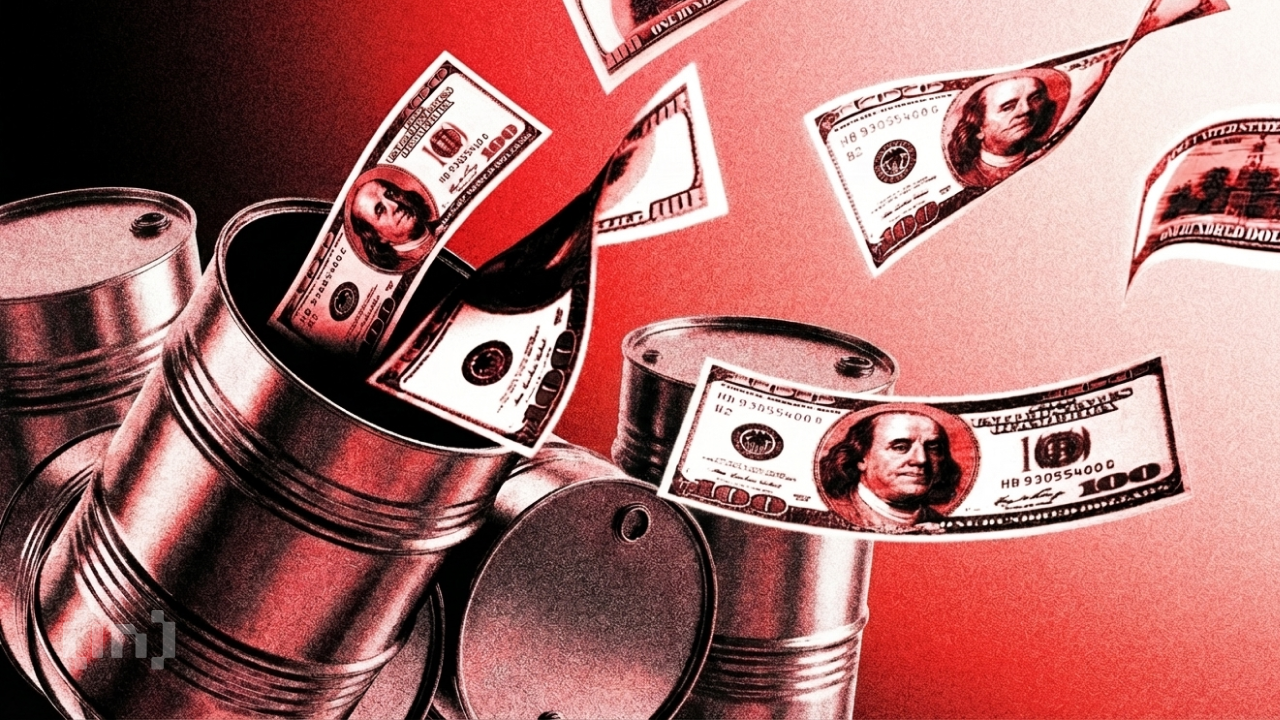
To understand the current dynamics, it's essential to consider the broader financial landscape. The recent exit of the UAE from OPEC has introduced additional volatility into oil markets, causing ripple effects across various asset classes, including cryptocurrencies. This development has heightened concerns regarding inflation and the potential for rising interest rates, leading to a more cautious approach among investors. Bitcoin, often seen as a hedge against inflation, is now facing increased scrutiny as traditional markets react to these changes, creating a challenging environment for digital assets.
The implications of these sell walls are significant for the cryptocurrency market. Resistance levels like the $82,000 mark not only dictate the near-term price action for Bitcoin but also influence investor sentiment. A failure to break through this resistance could lead to a further sell-off, as traders may view it as a signal to exit their positions. Conversely, if Bitcoin manages to breach this level, it could trigger a wave of buying, potentially reigniting bullish momentum. The current sell walls thus represent a pivotal battleground, with the potential to shape market trends in the coming weeks.
Industry experts are closely monitoring these developments, with many suggesting that the current environment reflects a broader shift in market psychology. Analysts indicate that the interplay between macroeconomic factors and technical resistance levels will be crucial in determining Bitcoin's trajectory. Some believe that as long as oil prices remain volatile and real rates continue to rise, Bitcoin may struggle to find upward momentum. Others are optimistic that if the cryptocurrency can successfully navigate through these challenges, it may emerge stronger, with renewed interest from institutional investors.
Looking ahead, the market will likely remain on edge as it grapples with these complexities. Traders and investors alike will need to keep a close eye on both the sell walls and external factors influencing market sentiment. As the interplay between oil volatility and interest rates continues to evolve, Bitcoin's ability to navigate this landscape will be tested. The next few weeks could prove crucial in determining whether Bitcoin breaks through the $82,000 resistance or remains trapped beneath it, shaping the future direction of the cryptocurrency market.

Tu phan tich cua chung toi:
Ban muon nhan tin tuc som nhat?
Theo doi kenh Telegram cua chung toi – chung toi dang tin tuc quan trong va phan tich.
Theo doi kenh