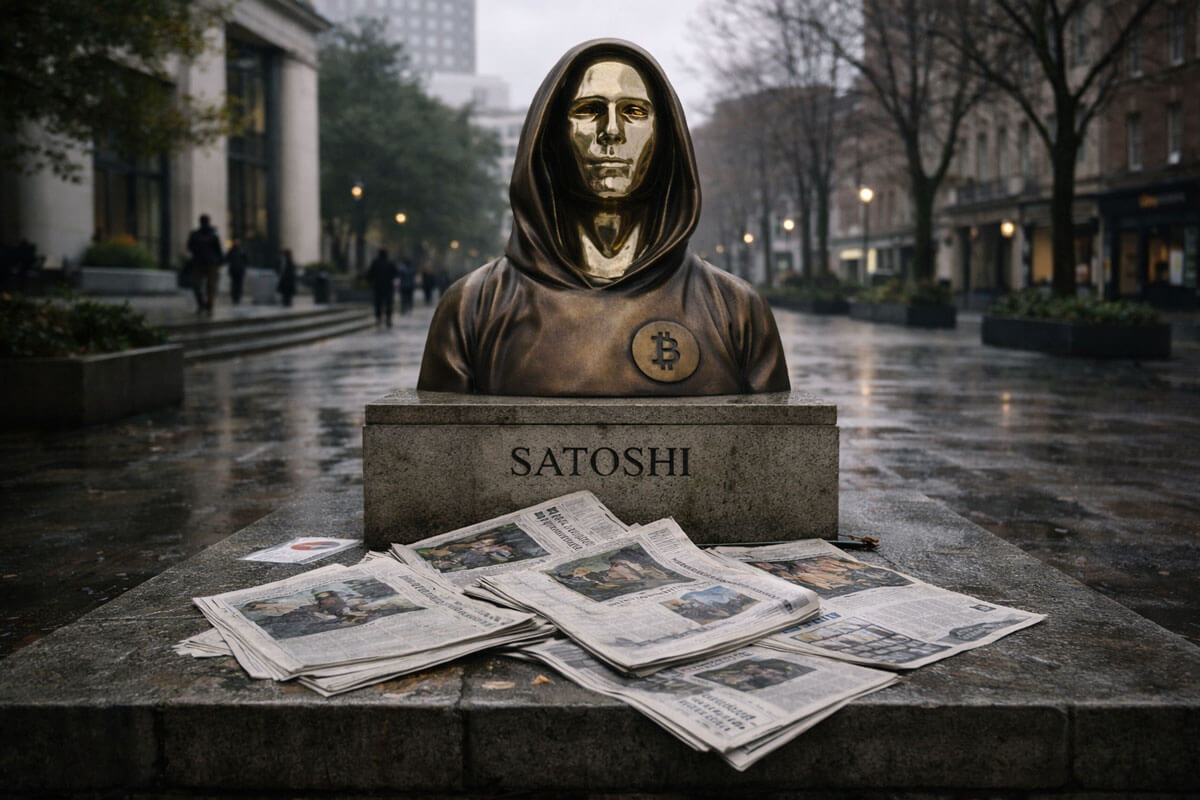
This week, The New York Times has reignited the debate surrounding the true identity of Bitcoin's creator, Satoshi Nakamoto, by targeting Adam Back, the British cryptographer and co-founder of Blockstream. The extensive investigation conducted by the publication relies on stylometric analysis, which compares writing styles, as well as examining various online records spanning decades. The article suggests that Back’s background, combined with his contributions to the cryptocurrency landscape, positions him as a leading candidate for the enigmatic founder of Bitcoin. This revelation comes at a time when Bitcoin's market is being scrutinized, particularly due to its substantial stash valued at $78 billion, raising questions about security and the potential implications of this identity revelation.
The quest to uncover Satoshi Nakamoto's true identity has been ongoing since Bitcoin's inception in 2009. Many individuals have been theorized to hold the title, including computer scientist Nick Szabo and cryptographer Hal Finney, among others. The allure of Satoshi's identity is compounded by the significant Bitcoin holdings attributed to this mysterious figure, which are believed to be largely untouched since they were mined. Adam Back's involvement in early cryptocurrency discussions and technology, as well as his development of Hashcash, a precursor to Bitcoin's proof-of-work mechanism, makes him a notable figure in this narrative.
The implications of naming a potential Satoshi could be far-reaching for the cryptocurrency market. If Adam Back were to be confirmed as the creator, it could instigate a myriad of reactions from investors and the broader community. The mysterious nature of Satoshi's identity has, in some ways, contributed to Bitcoin's allure and value, and any definitive link could either bolster confidence in Bitcoin's legitimacy or lead to a market upheaval, depending on public sentiment regarding Back's involvement and the implications of the vast Bitcoin holdings attributed to Satoshi.
Industry reactions have been mixed, with some experts emphasizing that such investigations may be more about sensationalism than factual accuracy. Others in the crypto community have expressed concerns about the potential ramifications of exposing Satoshi's identity, suggesting that it could lead to increased regulatory scrutiny or even security risks. The reactions highlight the delicate balance between the curiosity surrounding Bitcoin's origins and the practical implications of revealing its creator.
Looking forward, this renewed focus on Satoshi's identity could lead to further investigations and debates within the crypto community. As The New York Times continues to explore this narrative, it may prompt more individuals to come forward with their theories or evidence regarding Satoshi’s identity, potentially escalating the conversation. Additionally, the ongoing scrutiny of Bitcoin's security and the implications of a $78 billion stash remain pressing issues that the industry will need to address, regardless of who Satoshi Nakamoto may ultimately be.
Doi ngu CoinMagnetic
Chung toi dau tu tien cua minh va chia se kinh nghiem thuc te ve crypto, DeFi va airdrop.
Cap nhat: tháng 4 năm 2026
Ban muon nhan tin tuc som nhat?
Theo doi kenh Telegram cua chung toi – chung toi dang tin tuc quan trong va phan tich.
Theo doi kenh