Quy dinhTang
Anyone regularly swapping business cash for crypto without an FCA license risks police raids and charges in UK
Nguon: CryptoSlate
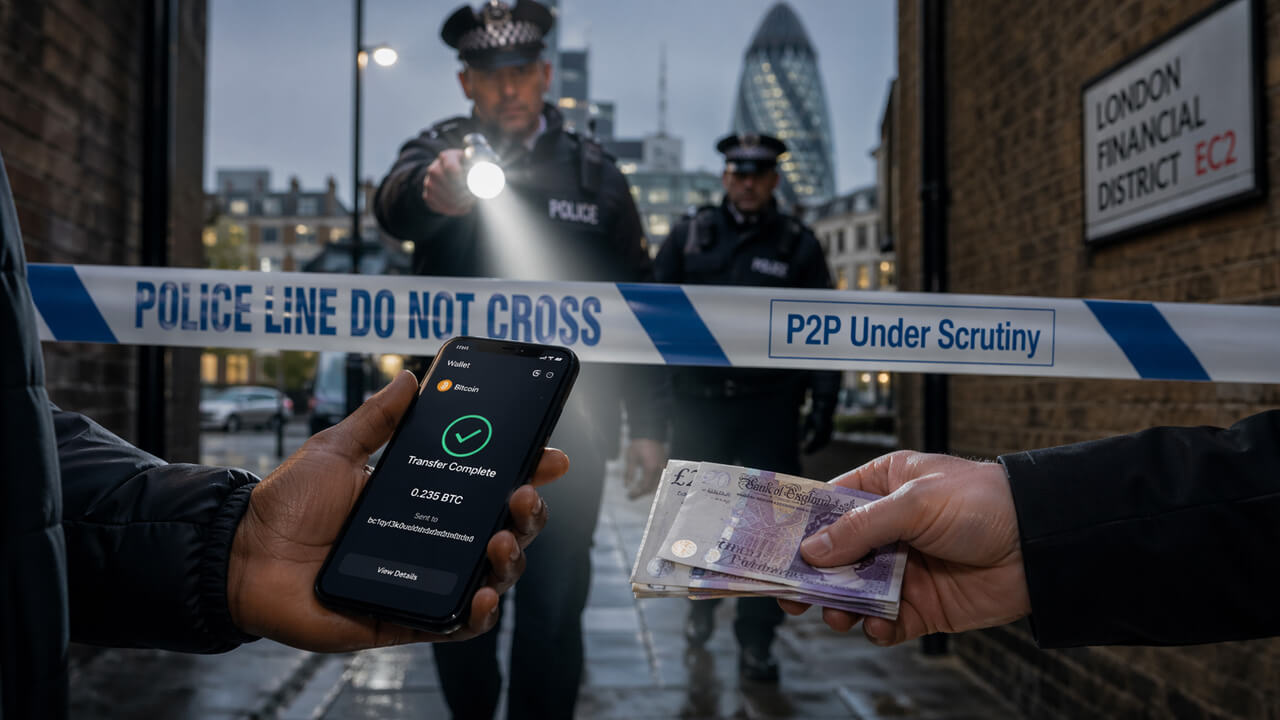
UK authorities have recently intensified their crackdown on illegal peer-to-peer cryptocurrency trading, marking a significant shift in their approach to regulating the burgeoning digital asset market. In a coordinated operation, the Financial Conduct Authority (FCA) partnered with police and tax officials to target individuals who engage in crypto trading as a business without the necessary licenses. This operation highlights the expectation that anyone involved in crypto dealings must adhere to strict regulatory standards, including name registration, financial checks, and comprehensive record-keeping.
The FCA's increased scrutiny comes in the context of a broader regulatory landscape that has been evolving as cryptocurrencies gain popularity. Historically, the UK has been seen as a relatively friendly environment for crypto enthusiasts, but with growing concerns over money laundering, fraud, and consumer protection, regulatory bodies are taking a firmer stance. The FCA's actions signal a pivotal moment in which the government is asserting its authority over the crypto sector, emphasizing that compliance is non-negotiable for those seeking to operate legally.
This crackdown is significant for the market as it sends a clear message that unregulated trading activities will not be tolerated. For businesses and individuals involved in cryptocurrency exchanges, the implications of these operations could be profound. Non-compliance can lead to not only hefty fines but also potential criminal charges, which could deter new entrants into the market and prompt existing players to reassess their operational strategies. The fear of police raids and legal consequences may compel many to either obtain licenses or cease operations altogether.
Industry reactions to the FCA's operation have been mixed. Some experts applaud the move as a necessary step towards legitimizing the crypto market, arguing that clear regulations can create a safer environment for investors and foster long-term growth. Others, however, express concern that such stringent measures could stifle innovation and drive trading underground, where it becomes even harder to regulate. The balance between fostering a vibrant crypto ecosystem and ensuring consumer protection is a contentious topic among stakeholders.
Looking ahead, it remains to be seen how this heightened regulatory environment will shape the UK’s crypto landscape. Businesses that have been operating without proper licensing will likely be forced to adapt quickly or face consequences. Additionally, this operation may set a precedent for other jurisdictions to ramp up their own regulatory efforts, leading to a more uniform approach to crypto regulations globally. As the situation evolves, ongoing dialogue between regulators and the industry will be crucial in navigating this complex and rapidly changing environment.
CM
Doi ngu CoinMagnetic
Chung toi dau tu tien cua minh va chia se kinh nghiem thuc te ve crypto, DeFi va airdrop.
Cap nhat: tháng 4 năm 2026
Tu phan tich cua chung toi:
Ban muon nhan tin tuc som nhat?
Theo doi kenh Telegram cua chung toi – chung toi dang tin tuc quan trong va phan tich.
Theo doi kenh