DuzenlemeNotr
Your AI Chats Can Be Used Against You in Court—Law Firms Are Scrambling
Kaynak: Decrypt
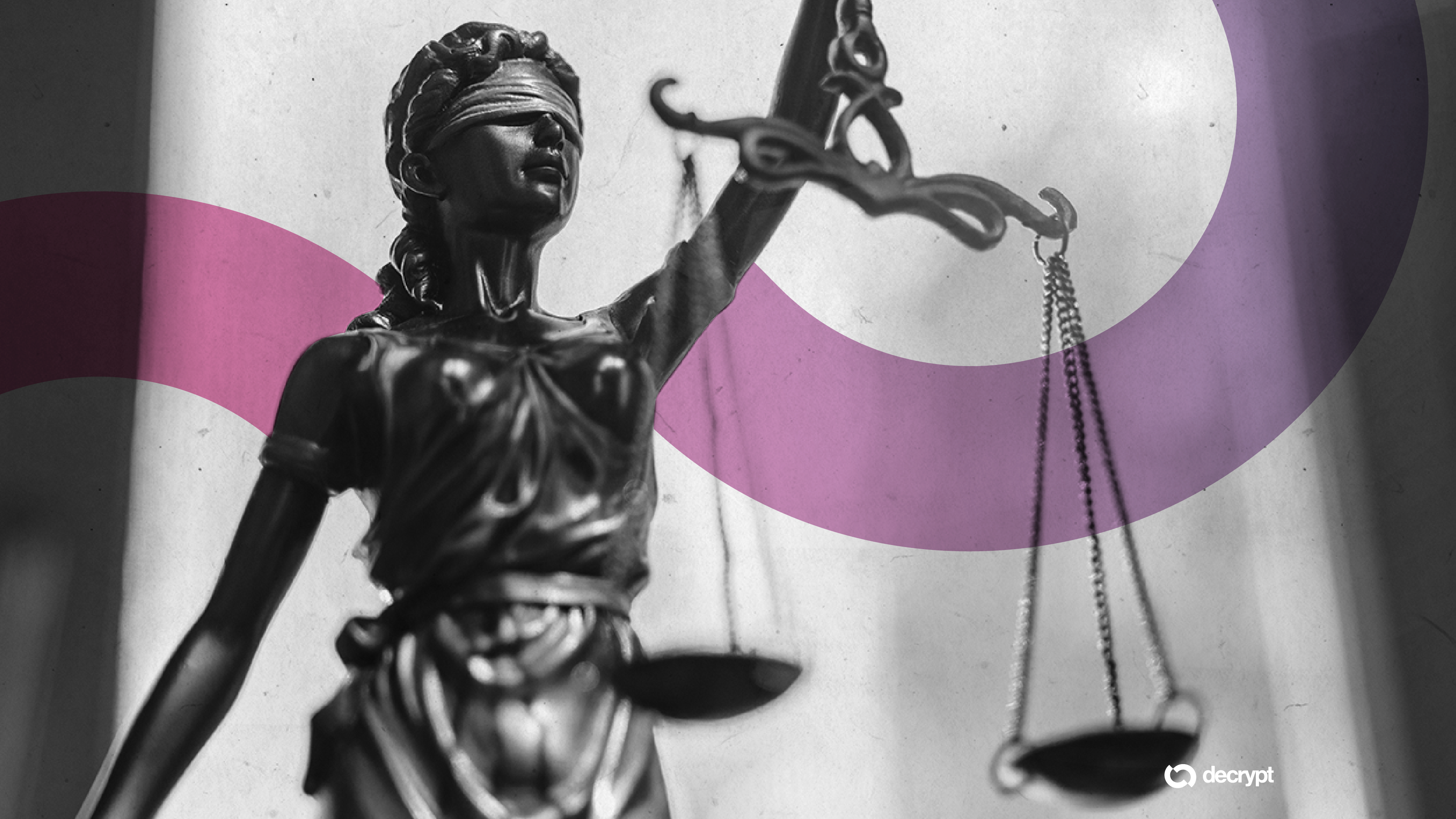
In a significant development for the legal landscape, a New York federal judge recently ruled that conversations generated by artificial intelligence can be seized by prosecutors and used as evidence in court. This landmark decision has sent ripples throughout the legal community, prompting over a dozen major law firms to issue urgent warnings to their clients about the implications of their AI interactions. The ruling raises critical questions about privacy, data ownership, and the responsibilities of both users and developers of AI technologies, leading to a heightened awareness of how these conversations can be leveraged in legal proceedings.
The background of this ruling stems from an increasing reliance on AI tools across various sectors, including legal, financial, and personal communications. As businesses and individuals have increasingly integrated AI into their daily operations, they have often overlooked the potential legal ramifications of these interactions. This ruling shines a spotlight on the need for clearer guidelines regarding the use of AI in generating conversations, especially in sensitive contexts where confidentiality and privilege are paramount. Legal experts have begun to reassess the boundaries of attorney-client privilege in light of these developments, creating a pressing need for clarity and reform.
This ruling matters for the market as it introduces a new layer of risk associated with AI technologies. Companies that utilize AI for customer service, legal advice, or even personal communications must now consider the legal standing of their AI-generated conversations. As the legal landscape evolves, businesses may need to re-evaluate their use of AI tools and consider implementing stricter protocols to protect sensitive information. Furthermore, this ruling could potentially deter some firms from adopting AI solutions, fearing the repercussions of their use in court settings.
Industry reactions have varied, with legal experts emphasizing the need for better regulation and clear guidelines surrounding AI use. Many are advocating for updated legal frameworks that account for the unique challenges posed by AI technologies. Some firms have begun to proactively educate their clients on the potential risks, emphasizing the importance of maintaining discretion and confidentiality during AI interactions. Legal analysts are also calling for a broader conversation on the ethical implications of using AI in legal contexts, particularly regarding the protection of individual rights.
Looking ahead, it is likely that we will see further developments in this area as lawmakers and industry leaders grapple with the implications of AI in the legal domain. We anticipate that additional legal precedents will emerge, shaping the way AI is perceived and utilized in courtrooms. As discussions around privacy, data rights, and AI ethics continue to evolve, stakeholders will need to remain vigilant and adaptable to navigate this rapidly changing landscape. The coming months may see a push for more comprehensive regulations that address these pressing issues, ensuring that the legal system can keep pace with technological advancements.
CM
CoinMagnetic Ekibi
2017'den beri kripto yatırımcısıyız. Kendi paramızı yatırıyor, her borsayı bizzat test ediyoruz.
Güncellendi: Nisan 2026
Analizlerimizden:
Haberleri ilk sen ogrenmeyi ister misin?
Telegram kanalimizi takip et – onemli haberler ve analizler yayinliyoruz.
Kanali takip et