PiyasaNotr
Taylor Swift Seeks Trademarks for Her Voice and Image to Fight AI Fakes
Kaynak: Decrypt
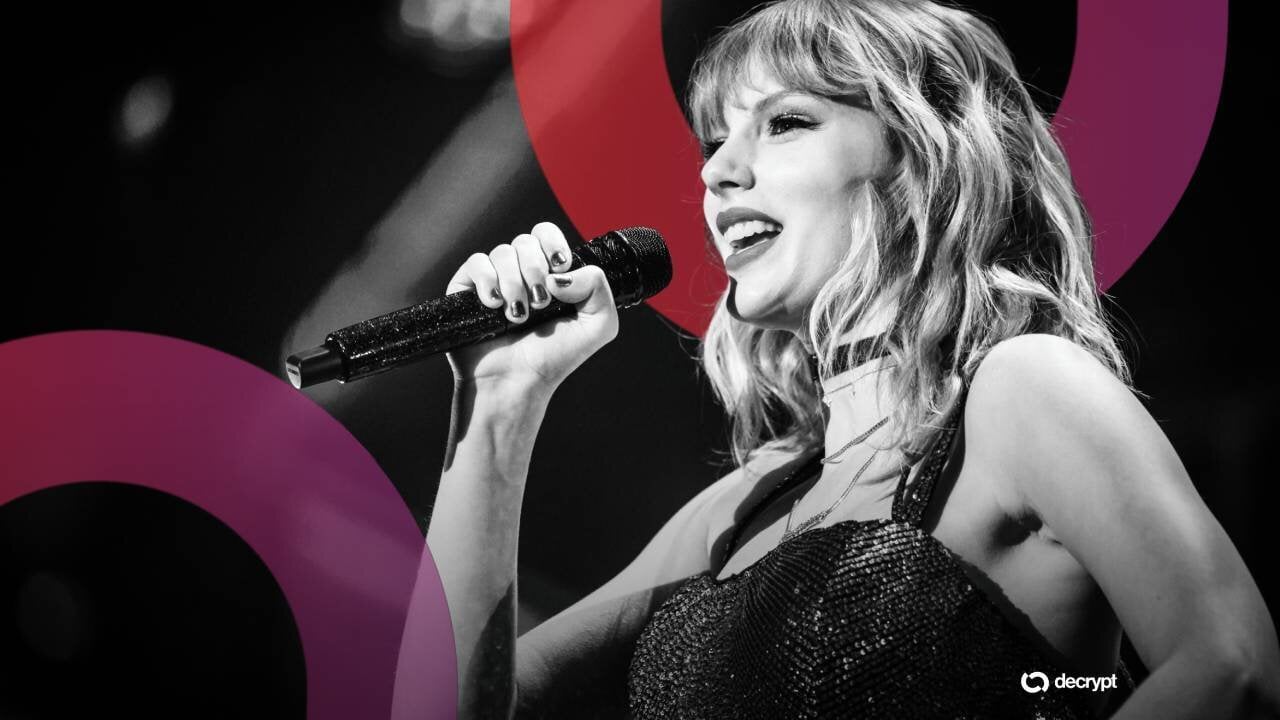
Taylor Swift has recently taken a significant step to protect her intellectual property by filing trademark applications for her voice and image. These applications are a proactive response to the growing threat posed by AI-generated deepfakes, which have become increasingly sophisticated with advancements in image generation technology. By securing these trademarks, Swift aims to reinforce her legal standing against the unauthorized use of her likeness and vocal characteristics, which could lead to a surge in counterfeit representations of her brand.
The context behind this move stems from a broader concern in the entertainment industry regarding the misuse of AI technologies. As AI continues to evolve, the potential for creating highly convincing deepfakes has raised alarms among artists, musicians, and other public figures. Swift’s actions reflect a growing awareness among celebrities about the need to safeguard their identities and personal brands in an era where digital technology can reproduce them with alarming accuracy. The legal landscape surrounding intellectual property rights in the context of AI-generated content is still developing, making Swift's proactive approach particularly notable.
This development is significant for the market as it highlights the increasing intersection of technology and entertainment law. By taking a stand, Swift not only protects her own interests but also sets a precedent for other artists and creators in the industry. The move may inspire other public figures to follow suit, potentially leading to a wave of similar trademark applications. This situation could catalyze discussions about the need for clearer regulations regarding the use of AI in creative fields, which might ultimately influence how the market navigates the complexities of AI-generated content.
Industry reactions have varied, with experts acknowledging the importance of Swift's actions. Some legal analysts suggest that her trademark applications could help establish clearer boundaries around the use of personal likenesses in the digital realm. Others point out that while trademarks may provide some level of protection, they may not fully address the nuances of AI technology and its implications for creativity and authenticity. This discourse reflects a growing recognition of the need for comprehensive legal frameworks that address the unique challenges posed by AI in the creative sector.
Looking ahead, it will be interesting to see how Swift's trademark applications play out in the legal system and whether they prompt other artists to adopt similar protective measures. As the technology behind AI continues to advance rapidly, the conversation around intellectual property rights will likely intensify. The outcome of this situation could potentially influence future legislation and industry standards, shaping how artists and creators engage with AI technologies and navigate the complexities of ownership and authenticity in the digital age.

Analizlerimizden:
Haberleri ilk sen ogrenmeyi ister misin?
Telegram kanalimizi takip et – onemli haberler ve analizler yayinliyoruz.
Kanali takip et