PiyasaNotr
Prediction Markets Expect Prolonged Strait of Hormuz Disruption—And Oil Traders Are Betting Big
Kaynak: Decrypt
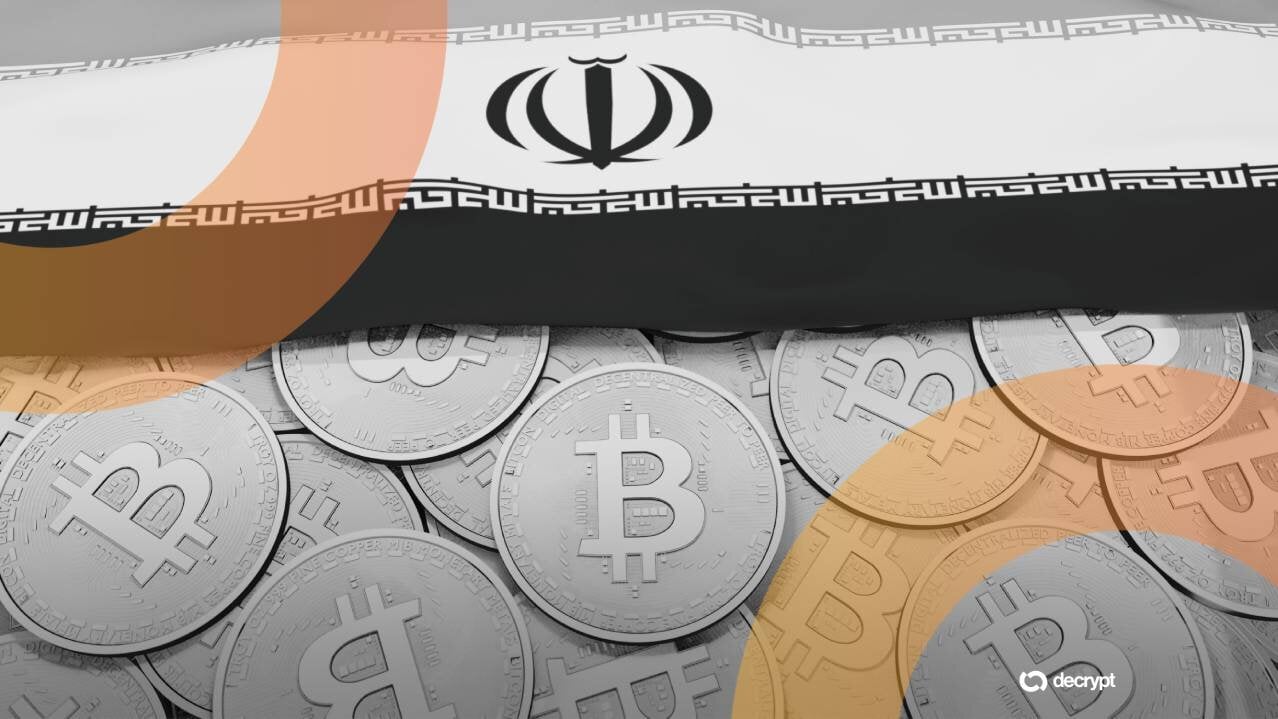
Recent developments in the Strait of Hormuz have led to significant shifts in oil trading dynamics, as prediction markets indicate that disruption in this critical shipping route is likely to persist. The Strait of Hormuz, through which approximately 20 percent of the world's oil passes, has recently faced heightened tensions and geopolitical instability. As a result, traders are adjusting their strategies, anticipating that oil prices will remain elevated for an extended period. The implications of this ongoing situation are being closely monitored by market participants, as they brace for potential supply constraints.
The Strait of Hormuz has historically been a flashpoint for geopolitical tensions, particularly given its strategic importance to the global oil supply chain. Past incidents, including blockades and military confrontations, have disrupted shipping traffic, leading to spikes in oil prices. The current situation seems to echo these historical patterns, as traders react to the possibility of prolonged disruptions. With major oil-producing nations in the region facing various challenges, the prospect of a stable flow of oil through the Strait appears increasingly uncertain.
The persistence of disruption in the Strait of Hormuz could have far-reaching consequences for the oil market. Traders are factoring in not just the immediate impacts but also the potential for long-term supply chain issues. As concerns grow over the reliability of oil shipments from this region, prices are expected to rise, driven by fears of shortages. This scenario could also ripple through the broader economy, affecting everything from fuel prices to inflation rates, as oil remains a key driver of global economic activity.
Industry experts have weighed in on the situation, with many expressing caution. Analysts suggest that while the prediction markets signal a bearish outlook for the resumption of normal traffic, traders must remain vigilant and adaptive. The situation is fluid, and unexpected developments could either exacerbate or alleviate the current tensions. Some analysts also point to the role of alternative routes and increased production from other regions as potential buffers against the rising prices, though these solutions may not provide immediate relief.
Looking ahead, the key question remains: how long will the disruption last? As geopolitical tensions continue to evolve, traders and analysts will be closely monitoring the situation for any signs of de-escalation or worsening conditions. In the meantime, the oil market is likely to remain volatile, with prices fluctuating as new information emerges. As we navigate this complex landscape, the focus will be on finding a balance between supply and demand, and the potential for new strategies in response to the changing dynamics in the Strait of Hormuz.
CM
CoinMagnetic Ekibi
2017'den beri kripto yatırımcısıyız. Kendi paramızı yatırıyor, her borsayı bizzat test ediyoruz.
Güncellendi: Nisan 2026
Analizlerimizden:
Haberleri ilk sen ogrenmeyi ister misin?
Telegram kanalimizi takip et – onemli haberler ve analizler yayinliyoruz.
Kanali takip et