PiyasaNotr
OpenAI Says Its New ChatGPT for Doctors Outperforms Humans in Clinical Tasks
Kaynak: Decrypt
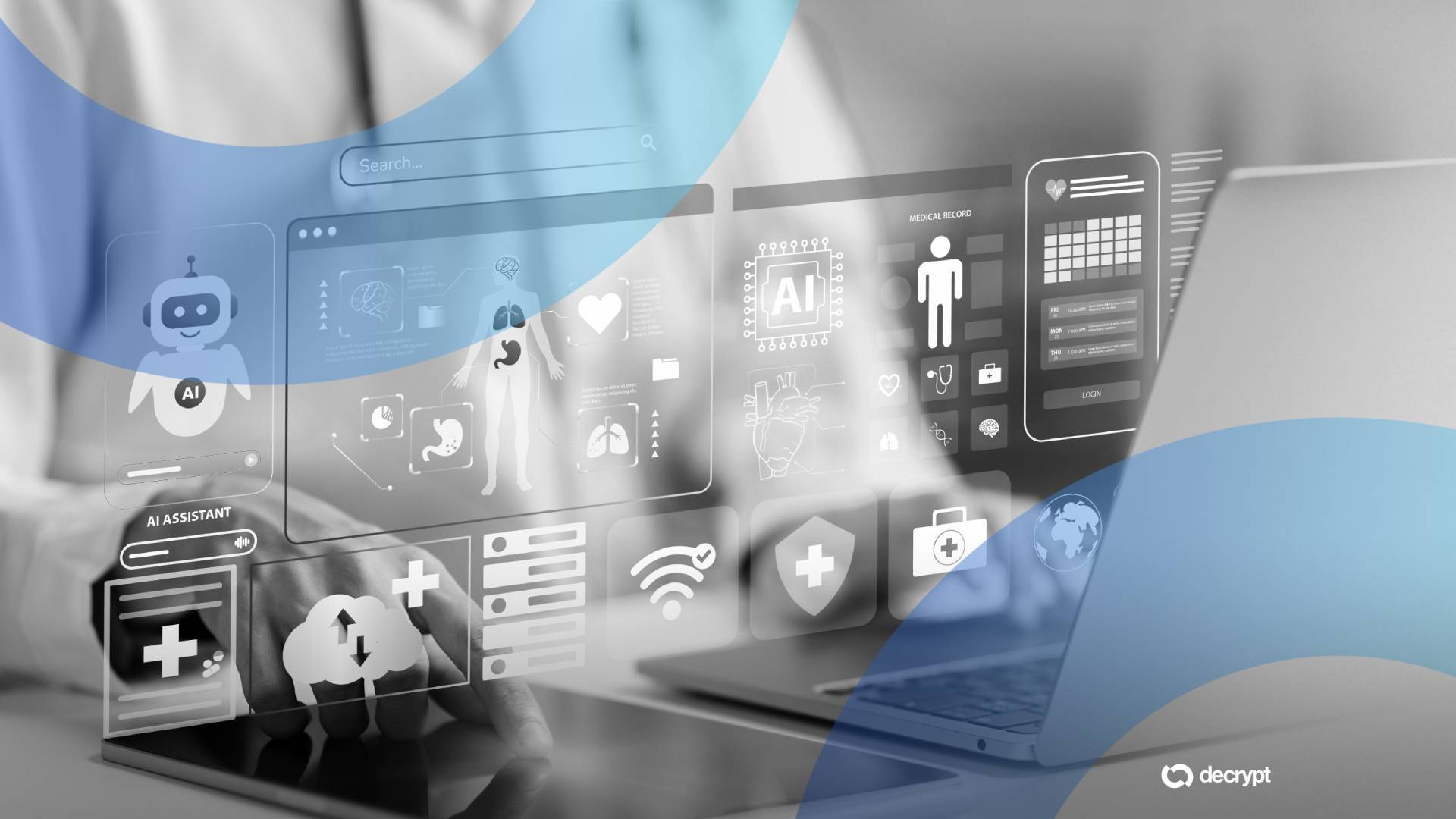
OpenAI has recently announced the development of ChatGPT for Clinicians, a specialized version of its widely popular AI model tailored specifically for medical professionals. According to the company, this new iteration has demonstrated remarkable capabilities in clinical tasks, reportedly outperforming human physicians in a series of evaluations based on OpenAI's own testing framework. The goal of this innovation is to streamline the workflow of healthcare providers, enabling them to save time and focus more on patient care rather than administrative tasks. This announcement marks a significant step in the application of AI technology in the healthcare sector, with implications for both efficiency and patient outcomes.
The context surrounding this development is crucial for understanding its potential impact. AI has been making strides in various sectors, but healthcare has often been viewed as a challenging arena due to the complexity and ethical implications involved in medical decision-making. OpenAI's foray into this space comes at a time when many healthcare systems are grappling with increased patient loads and administrative burdens. The introduction of AI tools like ChatGPT for Clinicians could help alleviate some of these pressures by automating routine tasks and providing decision support, a concept that has gained traction in recent years as technology advances.
The implications for the market are substantial. If ChatGPT for Clinicians proves to be effective and widely adopted, it could lead to a shift in how healthcare is delivered, with AI playing a more prominent role in diagnostics, treatment recommendations, and patient management. This could potentially reduce costs for healthcare providers while improving access to care for patients. As AI technology continues to evolve, its integration into clinical settings could change the dynamics of healthcare delivery, prompting further investments in AI solutions across the industry.
Reactions from industry experts have been mixed but largely optimistic. Many healthcare professionals recognize the potential benefits of incorporating AI into their practices but also express caution regarding the reliability and ethical considerations of AI-based decision-making. Some experts advocate for a collaborative approach, where AI complements human expertise rather than replacing it. This sentiment emphasizes the importance of maintaining human oversight in clinical settings, ensuring that AI tools are used responsibly and effectively to enhance patient care.
Looking ahead, the future of ChatGPT for Clinicians and similar technologies will depend on ongoing research, regulatory frameworks, and real-world testing. As OpenAI continues to refine its model and gather feedback from healthcare providers, it will be essential to monitor the outcomes of AI-assisted clinical tasks. The next steps will likely involve pilot programs in various healthcare settings, as well as discussions around the ethical implications and necessary regulations to ensure that AI serves as a beneficial tool for both clinicians and patients.
CM
CoinMagnetic Ekibi
2017'den beri kripto yatırımcısıyız. Kendi paramızı yatırıyor, her borsayı bizzat test ediyoruz.
Güncellendi: Nisan 2026
Analizlerimizden:
Haberleri ilk sen ogrenmeyi ister misin?
Telegram kanalimizi takip et – onemli haberler ve analizler yayinliyoruz.
Kanali takip et