GuvenlikNotr
LayerZero blames Kelp's setup for $290 million exploit, attributes it to North Korea's Lazarus
Kaynak: CoinDesk

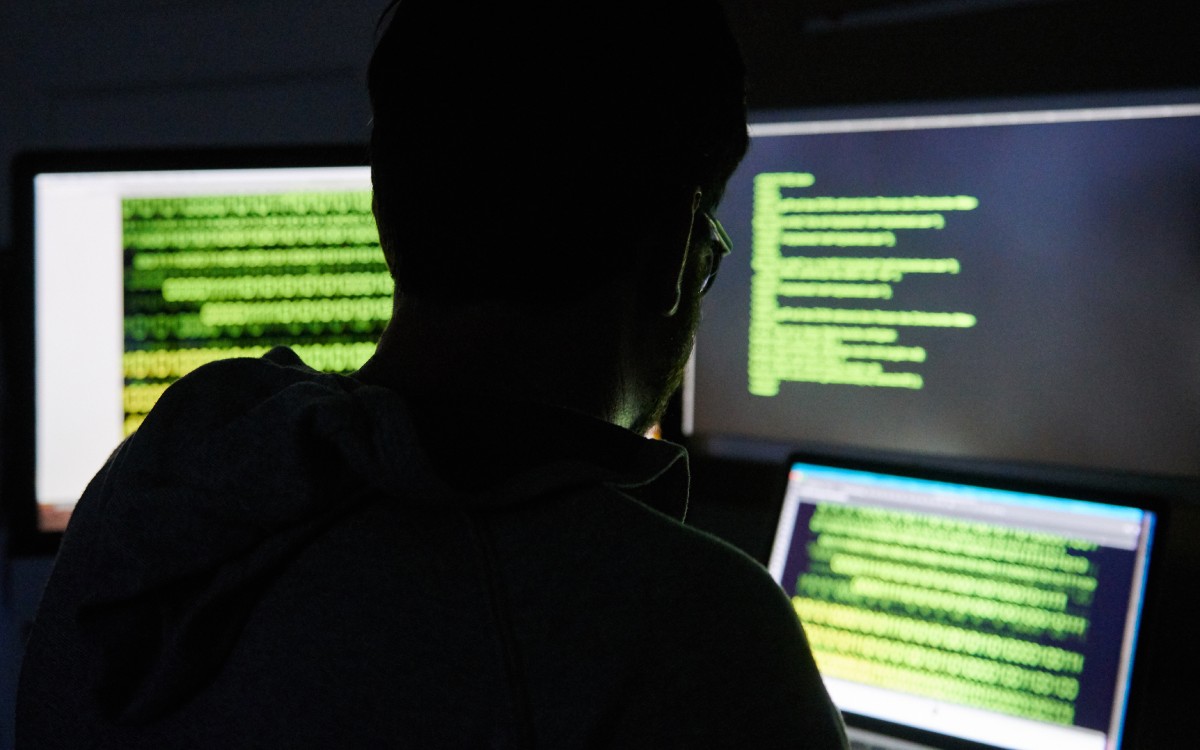
LayerZero has officially attributed the recent $290 million exploit to the compromised setup of Kelp, a decentralized finance (DeFi) platform. According to LayerZero, the attackers were able to exploit vulnerabilities by compromising two Remote Procedure Call (RPC) nodes that were critical for the company's verifier operations. Additionally, the attackers launched a Distributed Denial of Service (DDoS) attack against the remaining nodes, effectively crippling LayerZero's ability to function normally. The incident has been linked to the infamous Lazarus Group, a hacking organization believed to be associated with North Korea, which has a history of orchestrating high-profile cyber attacks.
To understand the backdrop of this incident, it's essential to consider the broader implications of RPC nodes in blockchain technology. RPC nodes serve as a bridge between decentralized applications and the blockchain, enabling communication and transaction processing. LayerZero's reliance on these nodes underscores the importance of robust security measures in a decentralized ecosystem. However, Kelp's decision to disregard multi-verifier recommendations left its infrastructure vulnerable, highlighting the critical need for best practices in operational security, especially in the rapidly evolving DeFi landscape.
This exploit raises significant concerns for the market, particularly among investors and developers in the DeFi space. The breach not only resulted in a substantial financial loss but also exposed vulnerabilities in the underlying technology that powers various decentralized applications. As the industry grapples with this incident, we may see a shift in focus towards enhancing security protocols and implementing more stringent measures to prevent similar attacks. The trust that users place in these platforms is crucial, and incidents like this could lead to hesitancy in adopting new technologies or investing in projects perceived as risky.
Industry experts have weighed in on the situation, expressing a mixture of concern and urgency for improved security practices. Many believe that this incident could serve as a wake-up call for the DeFi sector, prompting developers to prioritize security over convenience. The consensus among analysts is that platforms must adopt a more rigorous approach to vulnerability assessments and implement multi-verifier systems to mitigate the risk of future attacks. Some experts have even suggested that regulatory bodies may begin to take a closer look at the security protocols of DeFi platforms in light of this exploit.
Looking ahead, the LayerZero incident may catalyze changes within the DeFi ecosystem. We can expect a renewed emphasis on security audits and the establishment of best practices for infrastructure management. As protocols evolve, the industry may also see the emergence of new tools and solutions designed to enhance the security of RPC nodes and other critical components. Ultimately, the lesson learned from this exploit may not only shape LayerZero's future strategies but also set a precedent for the entire DeFi sector, encouraging a more resilient approach to operational security.
CM
CoinMagnetic Ekibi
2017'den beri kripto yatırımcısıyız. Kendi paramızı yatırıyor, her borsayı bizzat test ediyoruz.
Güncellendi: Nisan 2026
Analizlerimizden:
Haberleri ilk sen ogrenmeyi ister misin?
Telegram kanalimizi takip et – onemli haberler ve analizler yayinliyoruz.
Kanali takip et