PiyasaNotr
Justin Sun blasts Trump-linked WLFI's 'absurd' governance vote, escalating feud
Kaynak: CoinDesk
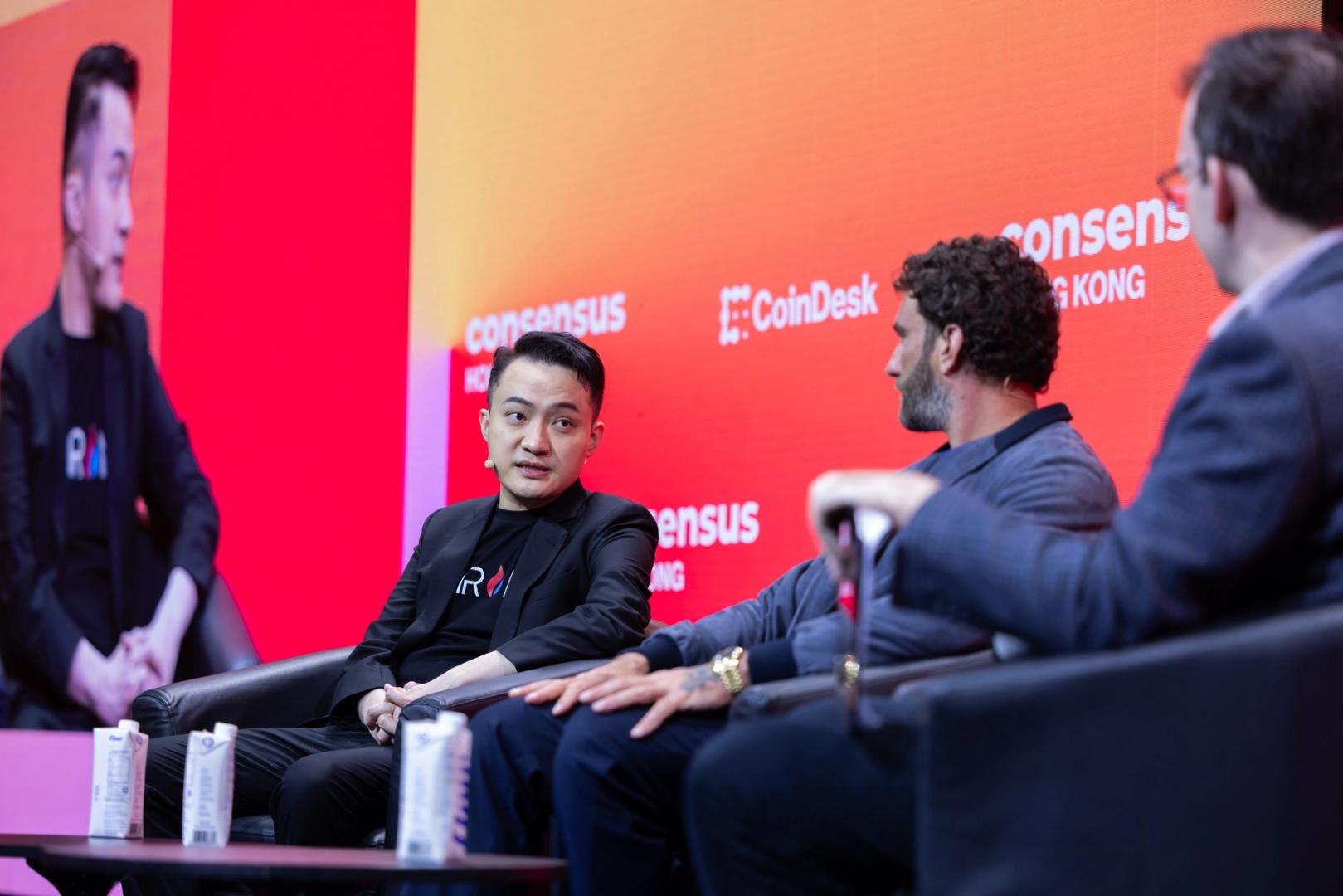
Justin Sun, the founder of Tron, has publicly criticized the governance structure proposed by WLFI, a project linked to former President Donald Trump. Sun labeled the governance vote as "absurd," revealing his concerns over the implications it holds for dissenting participants. According to Sun, the proposal threatens to lock up tokens of those who oppose the governance decisions, effectively excluding them from future voting rights. This move has sparked a significant backlash from various corners of the crypto community, as many see it as an attempt to consolidate power and suppress dissent within the project.
To understand the significance of this dispute, it's essential to recognize the broader context of governance in decentralized projects. Governance tokens have become a cornerstone of many blockchain ecosystems, allowing holders to vote on key issues that affect the project's direction. However, the introduction of punitive measures against dissenting opinions raises questions about the true nature of decentralization. Critics argue that governance should facilitate open dialogue and participation, rather than create an environment of fear and exclusion. Sun's intervention highlights the growing tensions surrounding governance practices in the crypto space.
This feud matters for the market because it underscores the ongoing struggle for power and influence within blockchain projects. Governance disputes can lead to instability, which may deter investors from participating in a project perceived as undemocratic or authoritarian. Furthermore, if governance mechanisms are seen as unfair or biased, it could result in broader market implications, such as a loss of confidence in the project and a potential drop in token value. The ramifications of this conflict extend beyond WLFI, as it serves as a cautionary tale for other projects attempting to navigate governance challenges.
Industry reactions to Sun's comments have been varied, with some supporting his stance against the WLFI governance structure while others defend the project's intent to create a unified long-term vision. Experts in the field are weighing in on the potential consequences of such governance models, emphasizing the importance of transparency and inclusiveness in decision-making processes. Many believe that projects must find a balance between effective governance and maintaining a decentralized ethos to foster a healthy ecosystem.
As this situation unfolds, we will be watching closely to see how WLFI responds to the criticism and whether it will amend its governance proposal. If the project chooses to double down on its current plan, it may face increased scrutiny and dissent from the community. This episode raises important questions about governance in the crypto world–questions that will likely influence the development of future projects and their approaches to stakeholder engagement.
CM
CoinMagnetic Ekibi
2017'den beri kripto yatırımcısıyız. Kendi paramızı yatırıyor, her borsayı bizzat test ediyoruz.
Güncellendi: Nisan 2026
Analizlerimizden:
Haberleri ilk sen ogrenmeyi ister misin?
Telegram kanalimizi takip et – onemli haberler ve analizler yayinliyoruz.
Kanali takip et