DuzenlemeDusus
Fed leaves rates unchanged at Jerome Powell's final meeting as chairman
Kaynak: CoinDesk
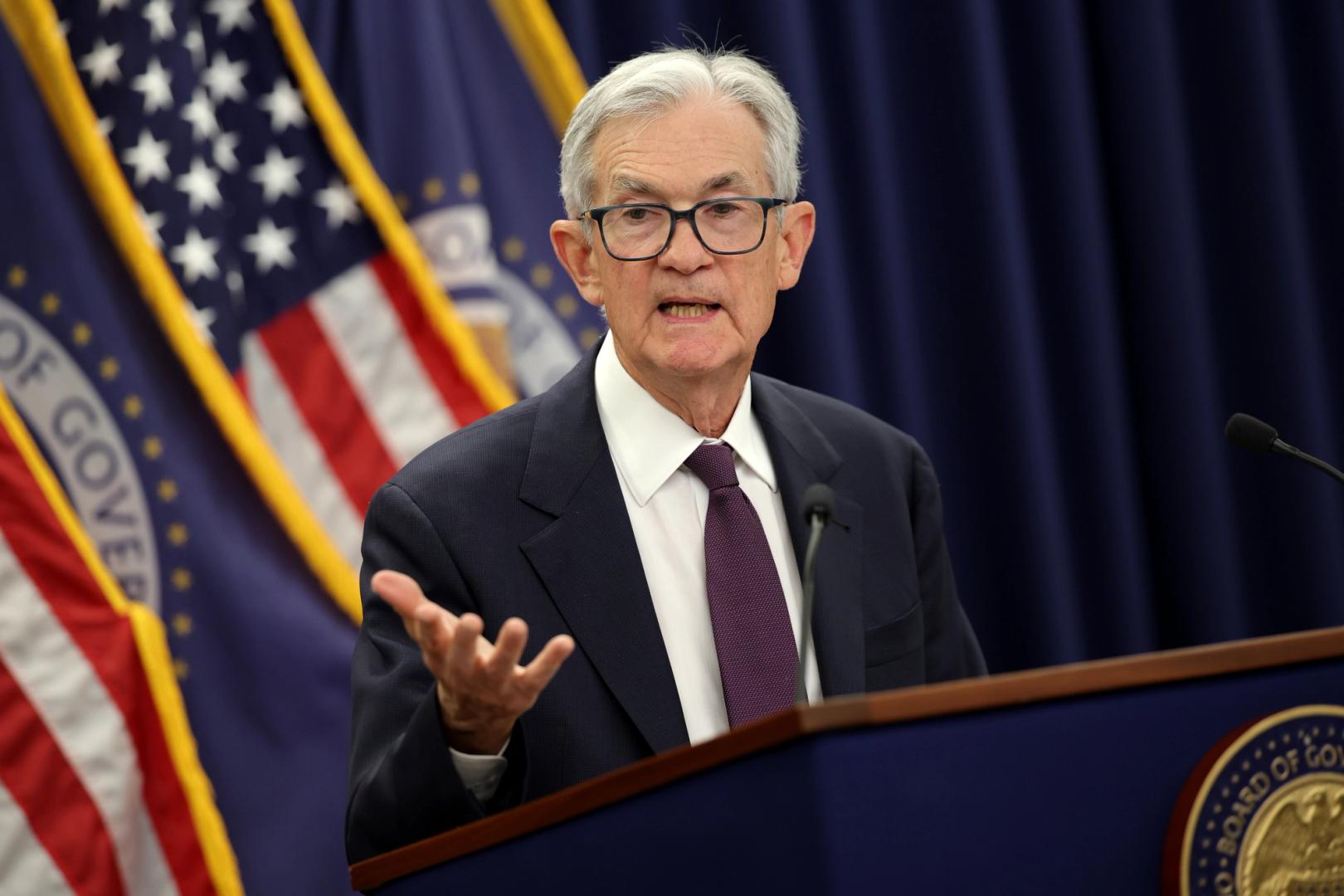
The U.S. Federal Reserve has opted to keep interest rates unchanged during what is likely to be Chairman Jerome Powell's final meeting in this role. The decision comes amidst a backdrop of ongoing concerns regarding inflation and economic stability, as the central bank aims to strike a balance between promoting growth and controlling price levels. Powell's leadership has been marked by significant challenges, including navigating the post-pandemic recovery and the effects of global economic pressures. As the Fed heads into its next meeting in June, the anticipation is building around Kevin Warsh, who has recently garnered Senate approval, potentially signaling a shift in policy direction.
The context of the Fed's decision is rooted in a complex economic landscape. Inflation rates have shown signs of stabilization, yet remain above the Fed's target of 2%. The central bank's previous rate hikes have been aimed at curbing this inflation, but there are concerns about the impact of these measures on economic growth and employment. Powell's tenure has seen the Fed adopt a more aggressive stance compared to previous years, reflecting the urgency of the inflation crisis. With Warsh poised to take over, market participants are now contemplating how his approach might differ and what it could mean for future monetary policy.
This decision to maintain rates carries significant implications for the broader market. Investors and analysts are closely monitoring the Fed's signals as they assess the potential for future rate hikes or cuts. Stability in interest rates could provide a temporary reprieve for equity and crypto markets, which have been volatile in response to macroeconomic indicators. However, the uncertain outlook and potential leadership changes may introduce new dynamics, influencing investment strategies and market sentiment in the coming months.
Industry reactions have been varied, with some experts expressing cautious optimism about the Fed's stance. Many believe that keeping rates unchanged is a prudent move, allowing the economy more time to adjust to previous rate increases. Others, however, are concerned that the Fed may not be acting aggressively enough to combat persistent inflation. The prospect of Warsh's leadership has sparked debate among economists, with some arguing that he may adopt a more hawkish approach, while others suggest he could prioritize growth more than his predecessor. This uncertainty adds another layer of complexity for market participants as they navigate the implications of Fed policy.
Looking ahead, the upcoming June meeting will be critical as the markets await clarity on the new leadership and potential changes in policy direction. Investors will be keen to observe how Warsh approaches the ongoing challenges of inflation and economic growth. With the central bank's decisions having far-reaching effects on various asset classes, the next few months promise to be pivotal for both the economy and the cryptocurrency markets as they respond to evolving monetary policy. The transition in leadership at the Fed could set the tone for a new era in U.S. economic policy, making it a period of great interest for market watchers.

Analizlerimizden:
Haberleri ilk sen ogrenmeyi ister misin?
Telegram kanalimizi takip et – onemli haberler ve analizler yayinliyoruz.
Kanali takip et