DuzenlemeDusus
EU sanctions Russian crypto usage for 20th time adding bans on digital rubles and anyone using Russian crypto services
Kaynak: CryptoSlate
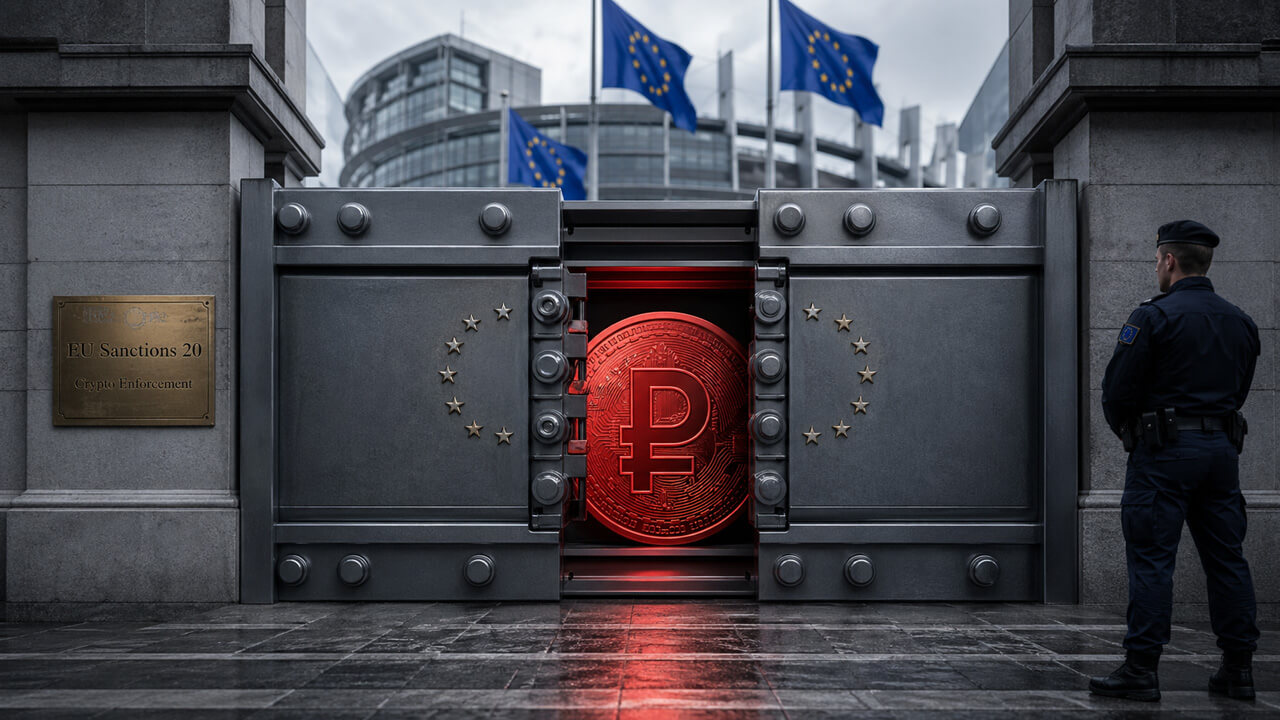
The European Union has once again expanded its sanctions against Russia, marking the twentieth iteration of such measures since the onset of the Ukraine conflict. Adopted on April 23, this latest sanctions package takes aim at the Russian cryptocurrency landscape, introducing significant restrictions on the use of digital rubles and targeting individuals and entities that utilize Russian crypto services. The sanctions include 120 new listings that affect various sectors within the crypto framework, including service providers and decentralized trading platforms, effectively tightening the EU's grip on Russia's access to digital financial systems.
To understand the implications of these sanctions, it is essential to consider the context of the EU's ongoing efforts to counteract Russia's military actions in Ukraine. Since the beginning of the war, the EU has employed a series of financial restrictions aimed at crippling the Russian economy and limiting its ability to fund military operations. Cryptocurrencies have emerged as a potential avenue for Russia to circumvent these sanctions, prompting the EU to take a more proactive stance in regulating and banning crypto transactions associated with Russian entities. This latest package is a clear indication that the EU is keen on preventing any potential loopholes that may allow Russia to leverage digital currencies as a means of financial resilience.
The ramifications of this sanctions package on the broader cryptocurrency market are significant. By explicitly targeting Russian crypto services and the digital ruble, the EU is sending a strong message to investors and market participants about the geopolitical risks associated with digital assets. This move may lead to increased volatility within the crypto market, particularly for assets that are perceived to have ties to Russian interests or that could be used as tools for evading sanctions. Furthermore, it raises questions about the future of cross-border crypto transactions and the extent to which governments can regulate a decentralized financial ecosystem.
Industry reactions have been mixed, with some experts applauding the EU's efforts to curb potential sanction evasion through cryptocurrencies, while others express concern about the broader implications for innovation and market freedom. Many in the crypto community fear that such sanctions could stifle legitimate use cases for blockchain technology and digital currencies, particularly in regions where access to financial services is limited. Additionally, some analysts caution that the proliferation of sanctions may lead to an increased push for regulatory frameworks that could ultimately stifle the very innovation that cryptocurrencies are meant to encourage.
Looking ahead, the ongoing geopolitical landscape will undoubtedly continue to shape the conversation around cryptocurrency regulation. As the EU and other nations develop their stance on digital assets and sanctions, it is likely that the crypto market will face increased scrutiny and regulatory measures. Stakeholders across the industry will need to remain vigilant, adapting to the evolving legal landscape while seeking to balance compliance with the drive for innovation and growth in the digital asset space.

Analizlerimizden:
Haberleri ilk sen ogrenmeyi ister misin?
Telegram kanalimizi takip et – onemli haberler ve analizler yayinliyoruz.
Kanali takip et