DuzenlemeDusus
Bank of Korea's New Governor Prioritizes CBDCs Over Stablecoins in First Policy Address
Kaynak: Decrypt
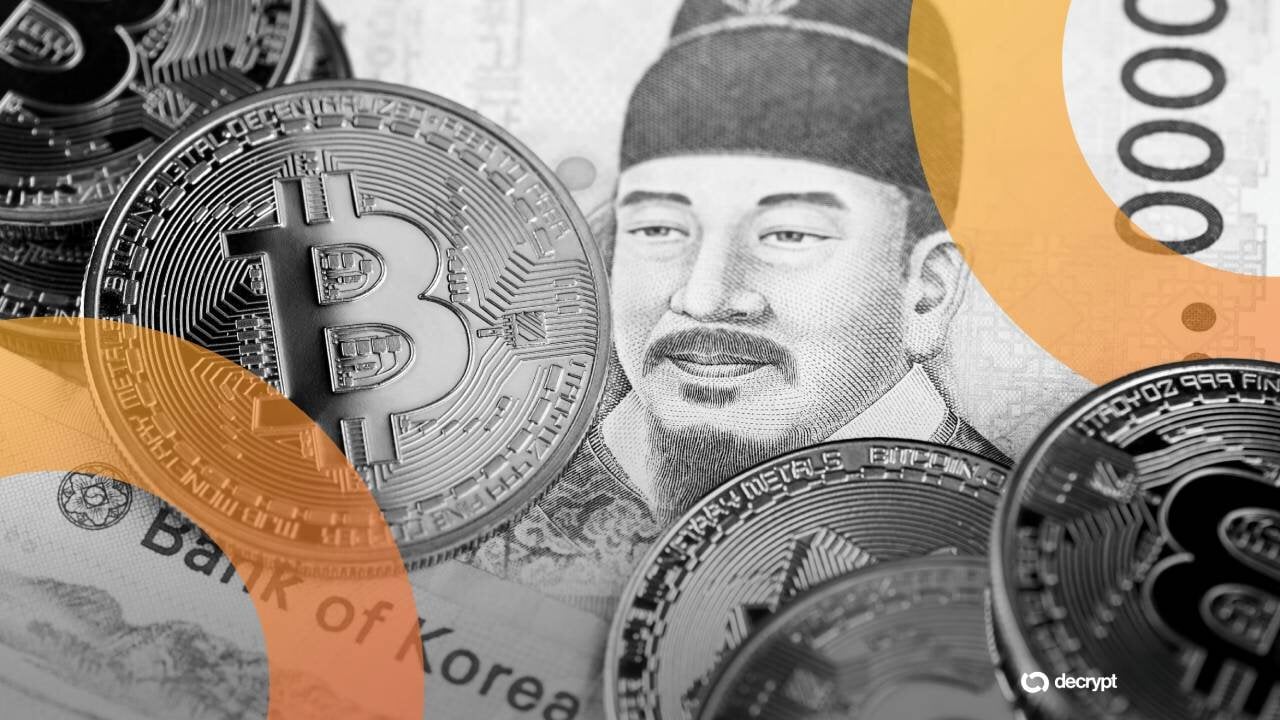
In a significant policy address, the newly appointed Governor of the Bank of Korea emphasized a clear commitment to central bank digital currencies (CBDCs) while sidelining the burgeoning stablecoin sector. This statement arrives at a crucial juncture as discussions in the National Assembly around private stablecoin regulations persist. The Governor's focus indicates a strategic pivot toward enhancing the digital currency landscape in South Korea, underscoring the central bank's desire to maintain control over monetary policy and financial stability amid a rapidly evolving financial ecosystem.
Historically, South Korea has been at the forefront of technological innovation, particularly in the realm of digital finance. The Bank of Korea has been exploring the implementation of a CBDC for some time, conducting pilot programs to assess the feasibility and implications of a digital won. In contrast, stablecoins, which are often pegged to traditional fiat currencies, have gained traction among private entities but have also raised concerns over regulatory oversight and systemic risks. This backdrop sets the stage for the Governor's prioritization of CBDCs, suggesting a more cautious approach toward the unregulated nature of stablecoins.
The implications of this shift are profound for the market. By signaling a preference for CBDCs, the Bank of Korea aims to establish a framework that could potentially enhance payment efficiencies and offer a secure alternative to existing digital currencies. This move may also resonate with other central banks globally as they navigate the complexities of digital currency adoption. As the market digests this news, we may see a rise in interest for CBDCs, while private stablecoins could face increased scrutiny and regulatory challenges, impacting their growth trajectory.
Industry experts have responded with a mix of optimism and caution. Some analysts believe that the focus on CBDCs could lead to more robust financial infrastructure and consumer protections, ultimately benefiting the broader economy. However, others warn that overly stringent regulations on stablecoins could stifle innovation and limit financial inclusion. The divergence in opinions highlights the ongoing debate about the balance between regulation and innovation in the digital currency space.
Looking ahead, the Bank of Korea's stance could set a precedent for how other central banks approach the development and regulation of digital currencies. As the legislative discussions on stablecoins progress, we will be closely monitoring any developments that could influence the future landscape of digital finance in South Korea and beyond. The market will undoubtedly be watching how these dynamics unfold, particularly in relation to the adoption rates of CBDCs and the regulatory environment surrounding stablecoins.
CM
CoinMagnetic Ekibi
2017'den beri kripto yatırımcısıyız. Kendi paramızı yatırıyor, her borsayı bizzat test ediyoruz.
Güncellendi: Nisan 2026
Analizlerimizden:
Haberleri ilk sen ogrenmeyi ister misin?
Telegram kanalimizi takip et – onemli haberler ve analizler yayinliyoruz.
Kanali takip et