PiyasaNotr
Arbitrum Security Council Freezes $71.5M in Ethereum linked to $292M KelpDAO Exploit
Kaynak: Decrypt
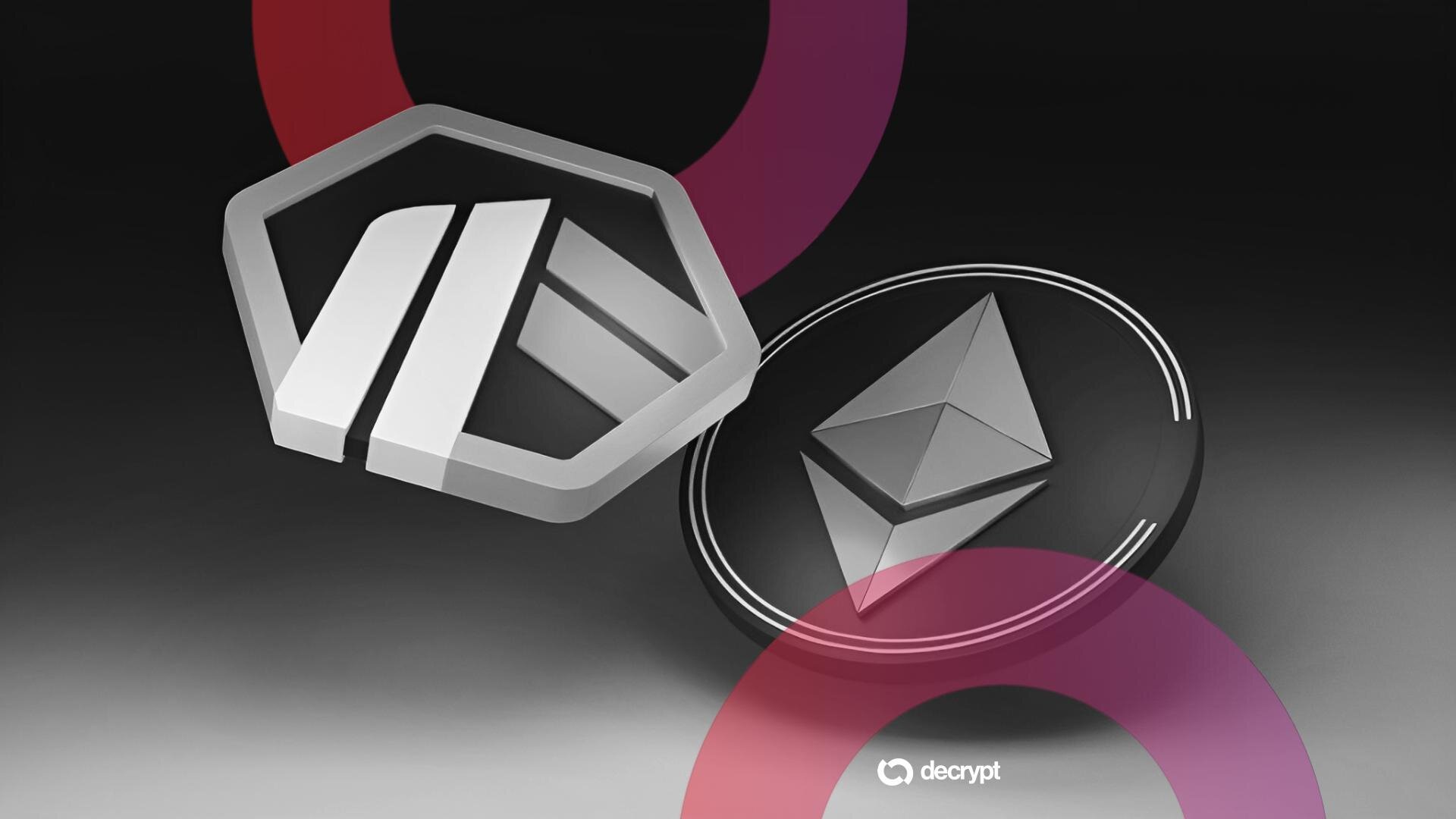
Arbitrum's Security Council has recently taken decisive action in response to the KelpDAO exploit, freezing approximately $71.5 million in Ethereum that is believed to be linked to the $292 million incident. This emergency measure was implemented as a protective step to prevent further loss after the exploit was identified. The KelpDAO hack, which unfolded earlier this week, has raised significant concerns within the crypto community regarding the security and governance of decentralized finance (DeFi) platforms. The Council's ability to freeze assets has ignited a debate about the balance between security measures and the principles of decentralization.
The KelpDAO exploit marks a serious breach in the DeFi space, where protocols are often touted for their security and transparency. This incident is particularly noteworthy given the scale of the funds involved and the implications it holds for user trust in DeFi platforms. Arbitrum, known for its layer-2 scaling solution on Ethereum, has positioned itself as a leader in addressing scalability and transaction costs. However, this exploit has put a spotlight on the vulnerabilities that still exist within these systems, particularly concerning governance mechanisms and the capacity to react swiftly to threats.
This situation is crucial for the market as it underscores the ongoing risks associated with DeFi investments. The freezing of the stolen assets may provide a level of reassurance to investors that there are mechanisms in place to respond to such incidents. However, it also raises questions about the centralization of control within supposedly decentralized networks. Market participants are closely watching how this incident will affect overall confidence in DeFi protocols and whether it will lead to increased scrutiny and regulatory measures in the future.
Industry reactions have been mixed. Some experts have praised Arbitrum's swift response and the preventative measures taken to safeguard community funds. They argue that such actions demonstrate the importance of having a governance structure capable of addressing security breaches effectively. Conversely, critics have raised concerns about the implications of having a centralized authority in a decentralized ecosystem, suggesting that the ability to freeze assets could lead to potential misuse of power and undermine the foundational principles of blockchain technology. The discussion surrounding these events is expected to evolve as more stakeholders weigh in.
Looking ahead, the decision by Arbitrum's Security Council may set a precedent for how similar situations are handled within the DeFi sector. As the community grapples with the implications of this incident, we may see a push for more robust governance frameworks that combine decentralization with effective security measures. The KelpDAO exploit has highlighted the ongoing need for innovation in security practices, and it is likely that protocols across the industry will reassess their risk management strategies in light of this breach. This incident could ultimately serve as a catalyst for change, driving the development of more resilient DeFi systems.
CM
CoinMagnetic Ekibi
2017'den beri kripto yatırımcısıyız. Kendi paramızı yatırıyor, her borsayı bizzat test ediyoruz.
Güncellendi: Nisan 2026
Analizlerimizden:
Haberleri ilk sen ogrenmeyi ister misin?
Telegram kanalimizi takip et – onemli haberler ve analizler yayinliyoruz.
Kanali takip et