MercadoNeutro
Trump Says World Becoming a ‘Casino’ as Soldier Charged Over Polymarket Maduro Bets
Fonte: Decrypt
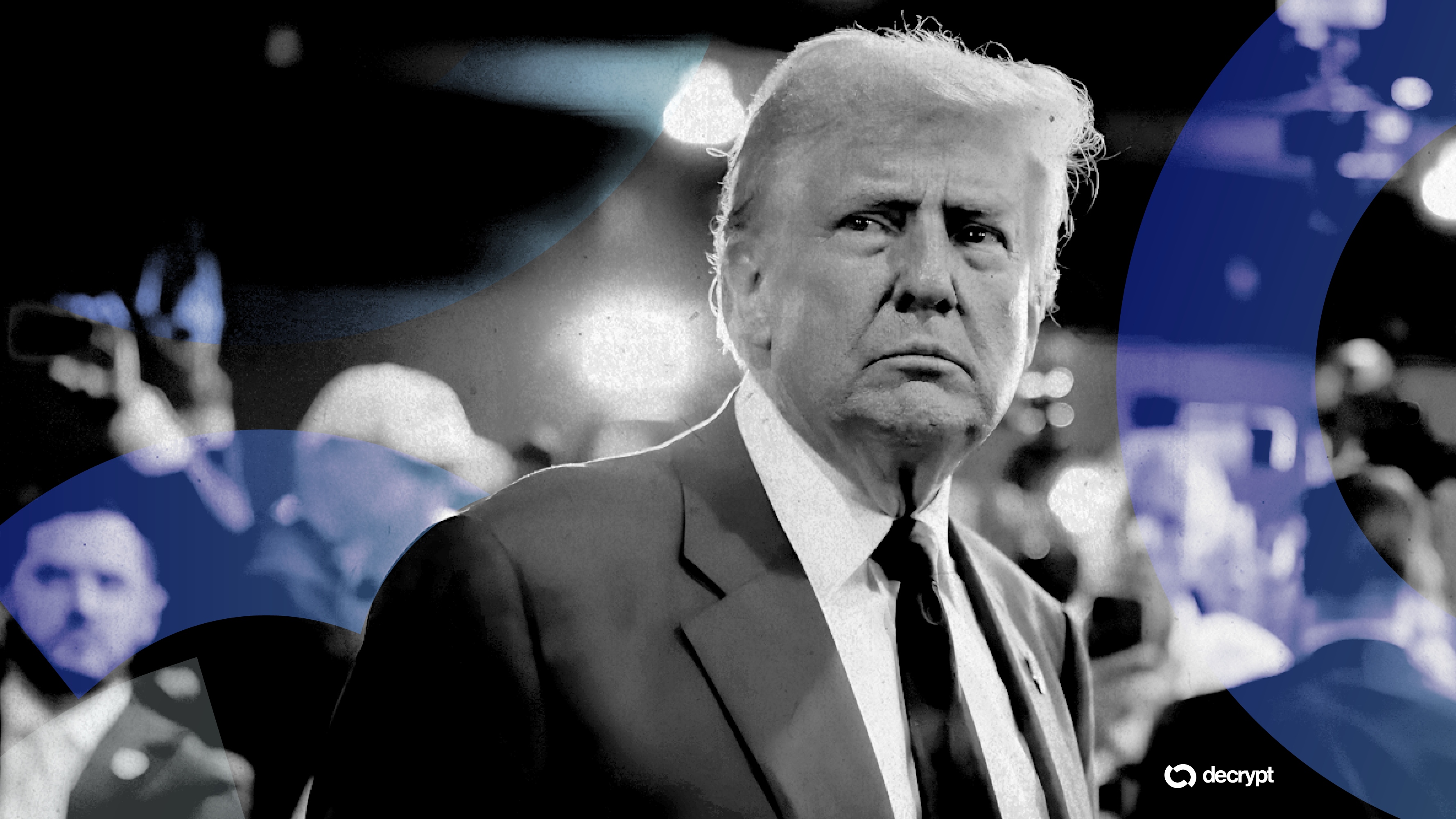
In a recent statement, former U.S. President Donald Trump expressed his disapproval of prediction markets, referring to the world as becoming a “casino.” This comment comes on the heels of a controversial case involving a U.S. Army soldier who has been charged with insider trading related to bets placed on Polymarket regarding the political situation in Venezuela, specifically surrounding President Nicolás Maduro. The allegations suggest that the soldier used non-public information to place profitable bets, raising concerns about the integrity of such markets and the risks they pose to investors and participants alike.
Prediction markets, where individuals can buy and sell contracts based on the outcome of future events, have gained traction in recent years as a form of speculative investment. They leverage the collective wisdom of the crowd to forecast political outcomes, economic events, and other significant occurrences. However, the case involving the soldier has brought to light the potential for manipulation and ethical concerns inherent in these markets. Critics argue that the ease of trading and the anonymous nature of these platforms may lead to significant risks, especially when sensitive information is involved.
The implications of this case extend beyond the individual charges against the soldier; they resonate throughout the broader cryptocurrency and prediction market landscape. As regulatory scrutiny intensifies, prediction markets may face increased oversight, which could stifle innovation and deter participation. Traders and investors are left wondering how such legal challenges might impact the legitimacy and viability of platforms like Polymarket, which rely on user trust and regulatory clarity to thrive.
Industry reaction has been mixed, with some experts voicing support for the need for regulation to curb unethical behavior while others warn that excessive regulation could hinder the potential benefits of prediction markets. Notably, some advocates argue that by allowing markets to operate with more transparency, the risks associated with insider trading could be mitigated. The incident has sparked discussions about the ethical responsibilities of participants in such markets and how they can safeguard against potential abuses.
Looking ahead, it remains to be seen how this case will influence the future of prediction markets and whether regulatory bodies will take more decisive action to establish clearer guidelines. As the landscape evolves, platforms like Polymarket may need to adapt to ensure compliance with potential new regulations. The outcome of this case could set a precedent for how similar cases are handled in the future, shaping the trajectory of prediction markets and their role in the broader financial ecosystem.
CM
Equipe CoinMagnetic
Investidores em cripto desde 2017. Investimos nosso proprio dinheiro e testamos cada corretora pessoalmente.
Atualizado: abril de 2026
Em nossas analises:
Quer receber as noticias primeiro?
Siga nosso canal no Telegram – publicamos noticias importantes e analises.
Seguir o canal