RegulamentacaoNeutro
Trump “not happy” with prediction markets – says world is a “casino” as Special Forces soldier arrested for insider trading on Polymarket
Fonte: CryptoSlate
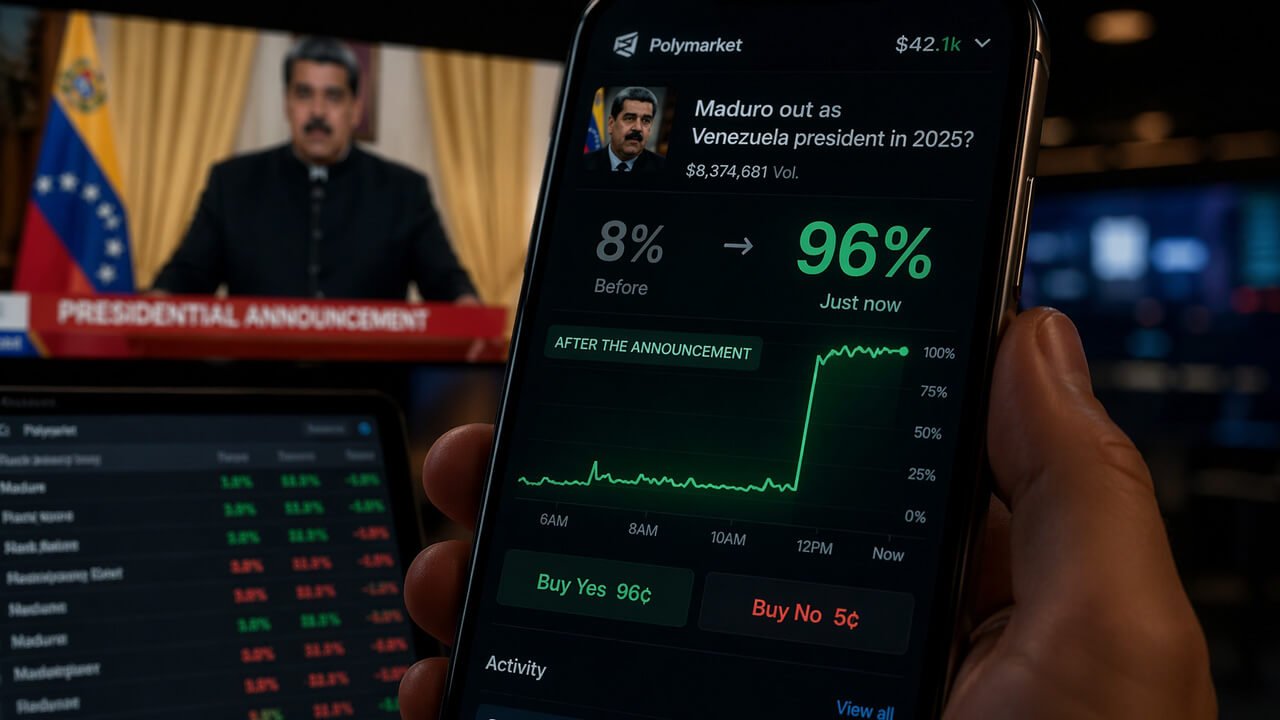
Recent developments in the world of prediction markets have taken a dramatic turn, following the arrest of Gannon Ken Van Dyke, an active-duty U.S. Army Special Forces master sergeant. Federal prosecutors have charged Van Dyke with insider trading, alleging he exploited classified information about a military operation to amass over $400,000 in profits on prediction platforms like Polymarket. This incident has sparked intense discussions about the ethical implications of prediction markets and their susceptibility to manipulation, particularly in politically sensitive contexts.
The backdrop to this situation involves a growing interest in prediction markets, where users wager on the outcomes of various events, including political elections and military actions. In recent months, platforms such as Polymarket and Kalshi have gained traction among traders, with discussions emerging around the potential for insider trading. The arrest of a military personnel in connection with these markets poses serious questions about the integrity of information and the accountability of those privy to classified details. The fact that a member of the military could be involved in such activities amplifies concerns regarding the potential for conflicts of interest.
The implications of this case extend beyond the individual involved; they resonate deeply within the broader financial markets. While prediction markets have been hailed as innovative tools for gauging public sentiment and forecasting outcomes, incidents like this could lead to increased scrutiny and regulatory measures. The sentiment expressed by former President Donald Trump, who recently remarked that the world feels like a “casino,” reflects a growing unease with the unpredictability and perceived moral ambiguities surrounding these platforms. Such comments could influence public perception and potentially lead to calls for tighter regulations on prediction markets, further complicating their future.
Industry reactions have been varied, with some experts warning that this case could deter legitimate investors from participating in prediction markets. Others argue that while the incident is concerning, it should not overshadow the potential benefits these markets offer in terms of liquidity and information aggregation. Some market analysts suggest that this could be a pivotal moment for the industry, prompting a reassessment of compliance measures and operational standards to restore trust among participants. The discourse surrounding the event could also serve as a catalyst for more robust discussions on the ethical frameworks within which prediction markets operate.
As we look ahead, the future of prediction markets may hinge on the outcomes of ongoing investigations and the potential regulatory responses that follow. If the industry can demonstrate its commitment to transparency and ethical practices, it may emerge stronger in the long run. However, this incident highlights the critical need for better safeguards to prevent insider trading and to preserve the integrity of these platforms. The coming months will be crucial in defining not only the fate of individuals involved but also the broader landscape of prediction markets in the context of regulatory scrutiny and public trust.
CM
Equipe CoinMagnetic
Investidores em cripto desde 2017. Investimos nosso proprio dinheiro e testamos cada corretora pessoalmente.
Atualizado: abril de 2026
Em nossas analises:
Quer receber as noticias primeiro?
Siga nosso canal no Telegram – publicamos noticias importantes e analises.
Seguir o canal