MercadoNeutro
The 100% debt trap: Why the IMF’s latest warning is a massive long-term signal for bitcoin
Fonte: CoinDesk
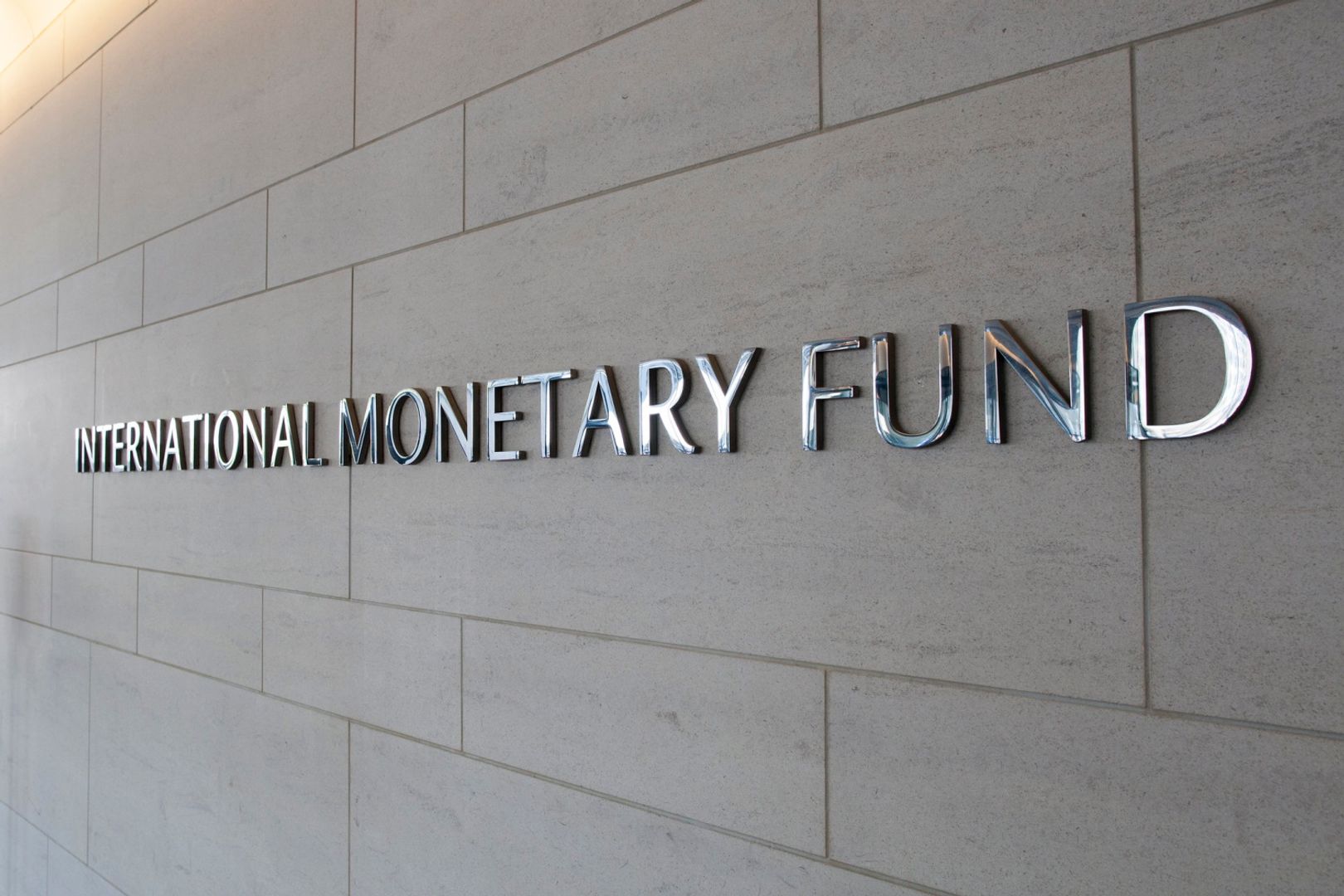
The International Monetary Fund (IMF) has issued a stark warning regarding the trajectory of global public debt, predicting that it could reach approximately 100% of the world's GDP by 2029. This alarming forecast underscores growing fiscal challenges faced by many nations, as they struggle to balance their budgets amid rising expenditures and economic pressures. The IMF's assessment is not merely a statistic; it serves as a wake-up call for policymakers and investors alike, highlighting the potential for detrimental effects on economic stability and growth.
To provide some context, public debt levels have been on a steady rise for years, exacerbated by the need for governments to respond to crises such as the COVID-19 pandemic and ongoing geopolitical tensions. Many countries have resorted to borrowing to finance stimulus packages and public services, leading to a significant uptick in national debt. With interest rates at historic lows, the immediate repercussions have been manageable for some economies. However, the IMF's projection raises concerns about sustainability, as higher debt levels could eventually lead to inflationary pressures, reduced investor confidence, and potential defaults.
The implications for the cryptocurrency market, particularly Bitcoin, could be profound. As traditional financial systems face mounting pressures, many investors are increasingly looking to alternative assets like Bitcoin as a hedge against inflation and currency devaluation. Bitcoin, often referred to as "digital gold," offers a decentralized and limited supply, contrasting sharply with the inflationary tendencies of fiat currencies. The IMF's warning about soaring debt could serve as a catalyst for increased interest in Bitcoin, particularly among institutional investors seeking to diversify their portfolios and mitigate risks associated with fiat currency depreciation.
Industry reactions to the IMF's warning have been varied. Some experts view it as a validation of Bitcoin's value proposition, arguing that as governments become more financially constrained, individuals will seek out decentralized alternatives. Others, however, caution that Bitcoin's volatility presents risks that may deter traditional investors. Notably, prominent figures in the crypto space have voiced their opinions, emphasizing that the IMF's warning could fuel a shift in investor sentiment towards assets that are perceived as more resilient in the face of economic instability.
Looking ahead, it will be crucial to monitor how this forecast influences both investor behavior and regulatory responses. If public debt continues to climb, the demand for alternative assets like Bitcoin may intensify, potentially driving prices higher. Moreover, as more individuals and institutions seek refuge from traditional financial systems, the conversation around cryptocurrency regulation will likely heat up, prompting governments to consider how they can manage the risks associated with this growing asset class. The interplay between public debt dynamics and the evolving landscape of cryptocurrency will be a key area to watch in the coming years.
CM
Equipe CoinMagnetic
Investidores em cripto desde 2017. Investimos nosso proprio dinheiro e testamos cada corretora pessoalmente.
Atualizado: abril de 2026
Em nossas analises:
Quer receber as noticias primeiro?
Siga nosso canal no Telegram – publicamos noticias importantes e analises.
Seguir o canal