MineracaoAlta
Public miners dump record BTC and are pivoting to AI — is Bitcoin’s security backbone starting to hollow out?
Fonte: CryptoSlate
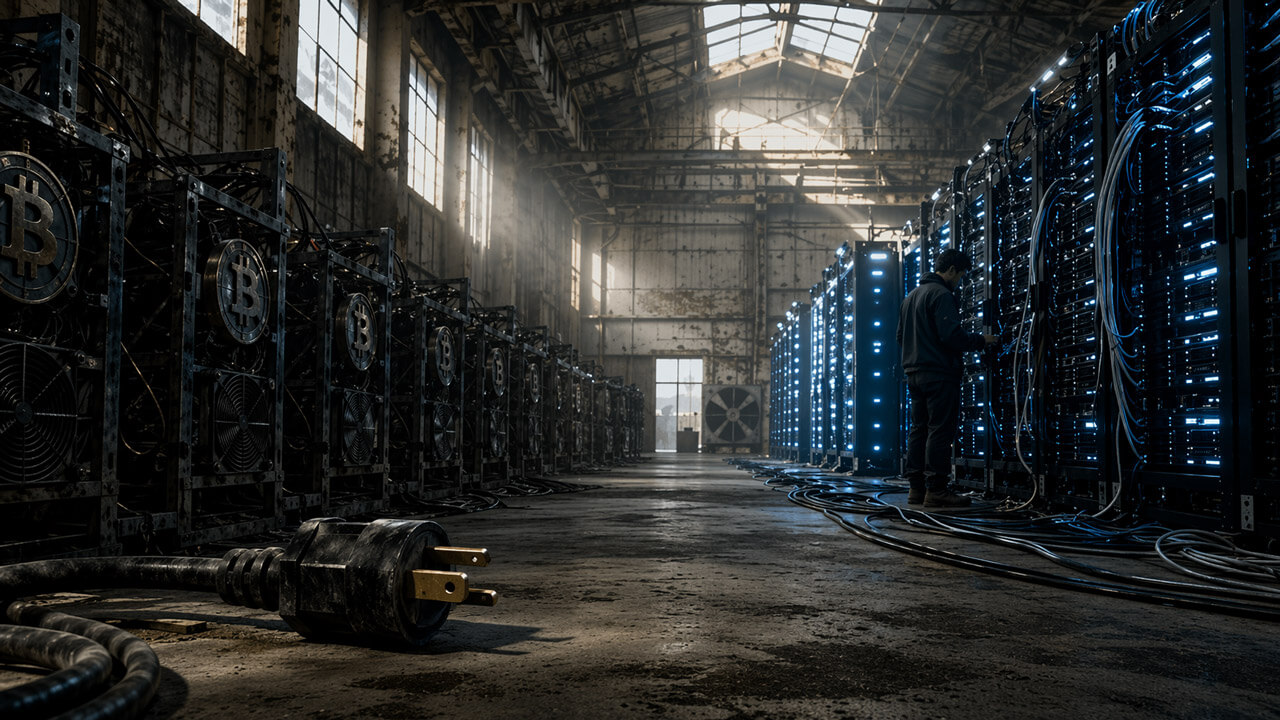
Publicly listed Bitcoin miners have made headlines recently by liquidating over 32,000 BTC in the first quarter of 2026. This mass sell-off marks a record for the industry, as major players pivot their focus and investment towards artificial intelligence technologies. As these miners redirect billions of dollars away from Bitcoin mining operations, the implications for the cryptocurrency market and Bitcoin's security framework are coming under scrutiny. This unprecedented shift is occurring at a time when Bitcoin validation economics face significant challenges, with mining profitability reaching cyclical lows.
To understand the context of this move, we must look at the ongoing struggles within the Bitcoin mining sector. Over the past year, miners have grappled with rising operational costs, particularly due to increased energy prices and the competitive landscape that has made it harder to sustain profitability. Many miners have found it increasingly difficult to remain viable, prompting a reevaluation of their business strategies. By pivoting toward AI, these miners are seeking new revenue streams and opportunities for growth, reflecting a broader trend in the tech industry where companies are integrating AI to enhance operations and customer experiences.
The ramifications of this shift are significant for the broader cryptocurrency market. Bitcoin’s security is largely upheld by the hash rate generated by miners, which is directly tied to their economic incentives. With public miners selling off large quantities of BTC, there is concern that the network's security could be compromised if mining operations continue to wane. A decrease in miner participation could lead to slower transaction processing times, higher fees, and increased vulnerability to attacks. The overall health of the Bitcoin ecosystem may be at risk, raising questions about its long-term sustainability and the integrity of its decentralized nature.
Industry reactions to this development have been mixed. Some experts express concern over the potential erosion of Bitcoin's security, emphasizing that a reduced hash rate could lead to increased centralization of mining operations, which contradicts the foundational principles of Bitcoin. Others see the shift toward AI as a necessary evolution, arguing that adapting to new technologies can help miners remain competitive in a rapidly changing landscape. This sentiment underscores the belief that innovation is essential to the survival of the Bitcoin mining industry, even if it challenges traditional practices.
Looking ahead, it remains to be seen how this trend will evolve and what measures will be taken to address the potential security risks associated with a declining mining ecosystem. As publicly traded miners continue to explore AI investments, the Bitcoin community will be watching closely. The balance between technological advancement and maintaining a robust, secure network will be crucial in determining the future of Bitcoin and its role in the broader financial landscape. The next few quarters will be pivotal, as stakeholders seek to understand the long-term implications of these shifts on Bitcoin's viability and security.
CM
Equipe CoinMagnetic
Investidores em cripto desde 2017. Investimos nosso proprio dinheiro e testamos cada corretora pessoalmente.
Atualizado: abril de 2026
Em nossas analises:
Quer receber as noticias primeiro?
Siga nosso canal no Telegram – publicamos noticias importantes e analises.
Seguir o canal