RegulamentacaoBaixa
Oil tanker attacked after falling for crypto scam granting fake Strait of Hormuz safe passage
Fonte: CryptoSlate
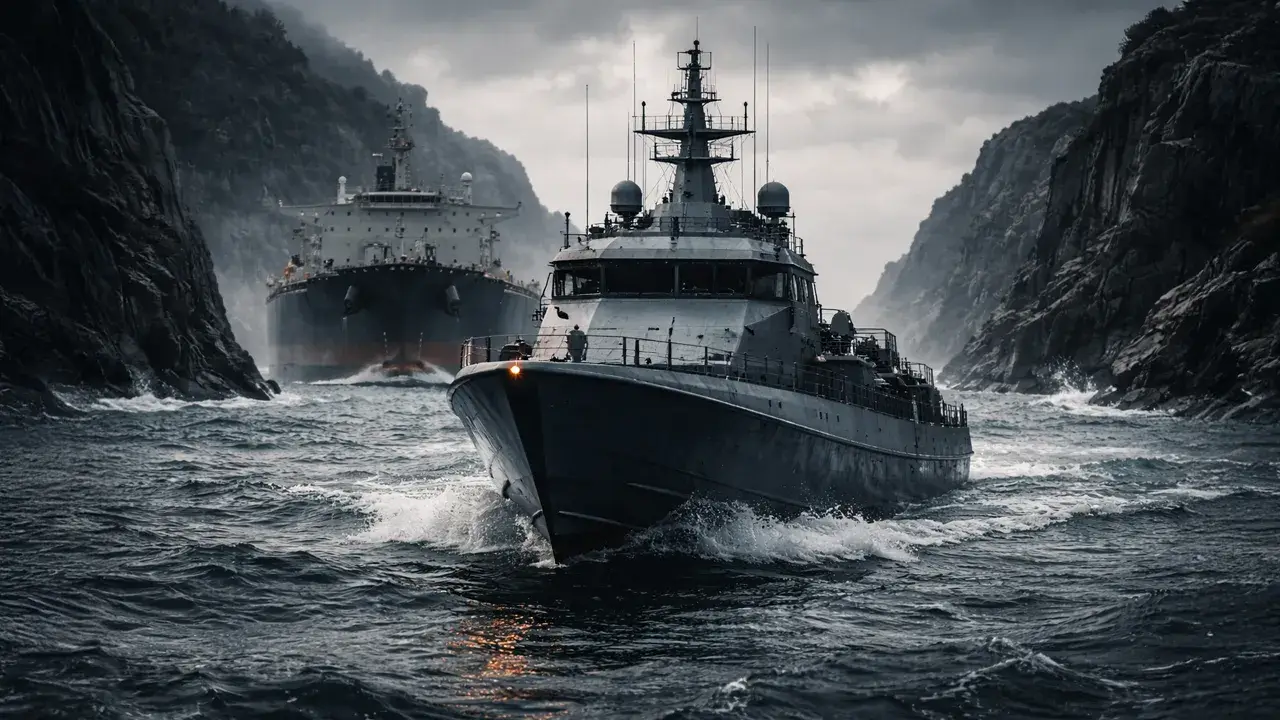
In a startling incident that underscores the intersection of geopolitics and cryptocurrency, an oil tanker was reportedly attacked after being duped into believing it had secured safe passage through the Strait of Hormuz via a crypto scam. The vessel, identified as the Motor Vessel Sanmar Herald, communicated with the Sepah Navy, claiming to have received clearance for its journey. However, in a shocking twist, the tanker was met with gunfire, raising serious concerns about the vulnerability of maritime operations to crypto-related fraud. This incident not only highlights the dangers of misinformation but also signals a new avenue for scammers exploiting the complexities of international waters.
The Strait of Hormuz is a critical maritime chokepoint, through which a significant portion of the world’s oil supply is transported. The geopolitical tensions in this region have long made it a focal point for military and economic conflict. In recent years, the rise of cryptocurrency has introduced new challenges, as scammers increasingly leverage digital currencies to execute fraudulent schemes. This particular scam appears to have capitalized on the high stakes of navigation in contested waters, manipulating the fears and uncertainties surrounding safe passage to lure victims into a false sense of security.
This incident holds significant implications for the broader market, particularly as it relates to the perception of cryptocurrencies. As the industry continues to grapple with its reputation amidst regulatory scrutiny and security concerns, events like this serve to reinforce negative narratives. The intertwining of crypto with traditional sectors like shipping and oil raises alarms about the potential for increased regulation and oversight, as governments may seek to mitigate risks associated with the digital currency space. Moreover, it brings to light the need for enhanced security measures within maritime operations, as traditional methods of verification are challenged by evolving digital threats.
Industry experts have reacted to this development with a mix of concern and caution. Some analysts point to the need for better education around cryptocurrency and its potential risks, especially for sectors not typically associated with digital finance. Others emphasize the necessity for robust cybersecurity measures to prevent similar incidents in the future. The consensus among professionals is that as the crypto landscape continues to evolve, so too must the strategies to combat fraud and protect key industries from emerging threats.
Looking ahead, the fallout from this incident may prompt a reevaluation of protocols within the shipping industry, particularly concerning the verification of communication and clearance processes. It may also encourage regulatory bodies to take a closer look at how cryptocurrencies can be misused in high-stakes environments. As the lines between traditional industries and digital currencies blur, stakeholders must remain vigilant and proactive in addressing the risks that come with this convergence.
CM
Equipe CoinMagnetic
Investidores em cripto desde 2017. Investimos nosso proprio dinheiro e testamos cada corretora pessoalmente.
Atualizado: abril de 2026
Em nossas analises:
Quer receber as noticias primeiro?
Siga nosso canal no Telegram – publicamos noticias importantes e analises.
Seguir o canal