CorretoraAlta
Is crude heading back to $100? Crypto traders drive $500M weekend Hyperliquid oil bets over Strait of Hormuz closure
Fonte: CryptoSlate
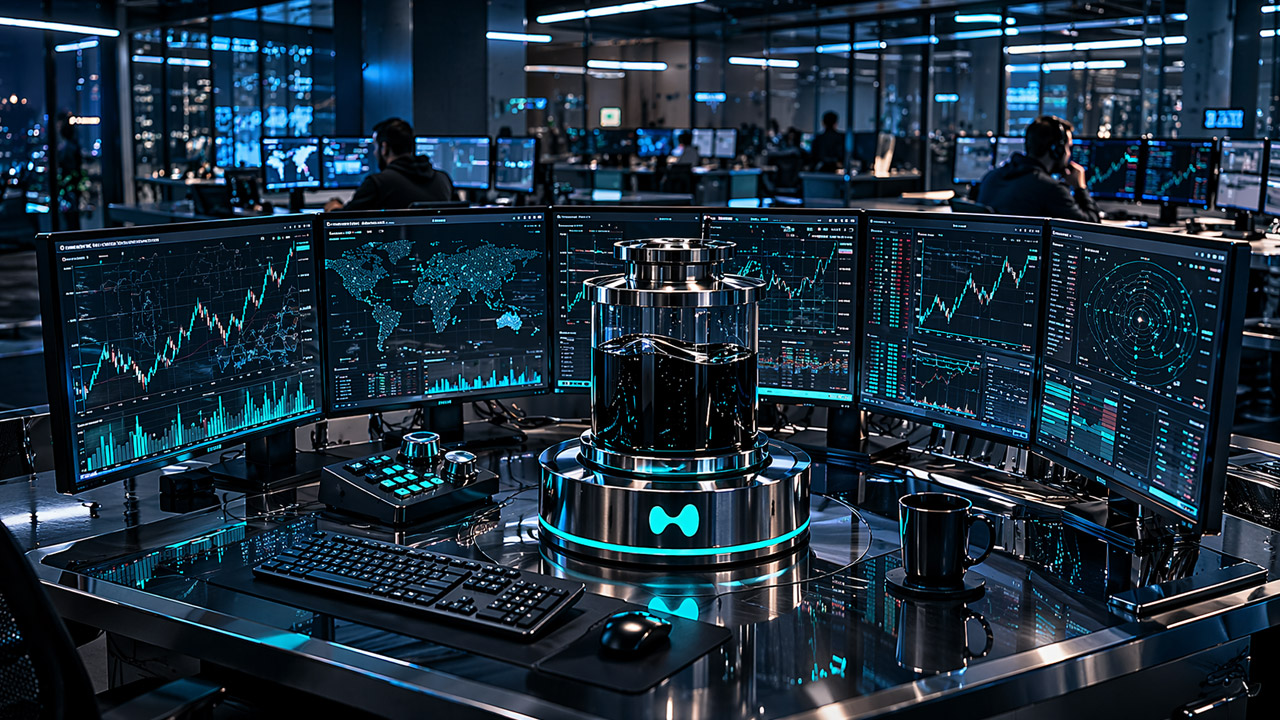
Over the weekend, crypto traders took an unprecedented step into the oil market, engaging in over $500 million worth of synthetic oil futures on the decentralized exchange Hyperliquid. This surge in trading activity comes in response to Iran's sudden closure of the Strait of Hormuz to commercial shipping, which has raised alarms about potential disruptions in global oil supply. Traders are betting that this geopolitical tension could drive crude oil prices back to the $100 per barrel mark, a level not seen since 2022. The scale of these bets indicates a growing intersection between the cryptocurrency space and traditional commodities, underscoring the evolving dynamics within financial markets.
To understand the significance of this trading spike, it's essential to consider the context surrounding the Strait of Hormuz, a critical chokepoint for global oil transport. Approximately 20 percent of the world's crude oil passes through this narrow waterway. Iran's decision to close it is viewed as a strategic move amid rising tensions, which could potentially lead to increased military conflict in the region. Historically, such geopolitical risks have tended to spike oil prices, as traders react to the fear of supply shortages. The closure has not only prompted immediate reactions in oil markets but also created a ripple effect in alternative trading platforms, such as those found in the crypto space.
This development matters significantly for the broader market as it highlights an increasing willingness among crypto traders to leverage their platforms for speculative plays in traditional commodities. The intertwining of blockchain technology and oil trading signifies a broader trend toward digitizing and democratizing access to various asset classes. If the predictions hold true and crude prices do rise, it could lead to a paradigm shift in how traders view and interact with both crypto and traditional markets. Moreover, the volatility associated with such geopolitical events could attract more investors into decentralized trading platforms, potentially reshaping the landscape of oil trading.
Industry experts and analysts are weighing in on the implications of this unprecedented trading behavior. Some view it as a natural evolution of trading practices, where digital assets and commodities merge, while others caution against the risks involved. The speculative nature of synthetic oil futures can lead to significant volatility, and the reliance on geopolitical events makes this a high-stakes game. Analysts emphasize the importance of closely monitoring the situation in the Middle East, as developments could lead to rapid price fluctuations not only in oil but also in the broader crypto market.
As we look ahead, the situation remains fluid. Traders will be keeping a close watch on any further developments regarding the Strait of Hormuz and the geopolitical landscape in the Middle East. If tensions escalate, we may see more substantial trading activity in synthetic oil futures and increased volatility across both crypto and traditional markets. This could pave the way for further innovations within decentralized trading platforms, as they respond to the demand for new ways to hedge against geopolitical risks. The interplay between crypto and commodities will likely continue to evolve, raising questions about how these markets will interact in the future.
CM
Equipe CoinMagnetic
Investidores em cripto desde 2017. Investimos nosso proprio dinheiro e testamos cada corretora pessoalmente.
Atualizado: abril de 2026
Em nossas analises:
Quer receber as noticias primeiro?
Siga nosso canal no Telegram – publicamos noticias importantes e analises.
Seguir o canal