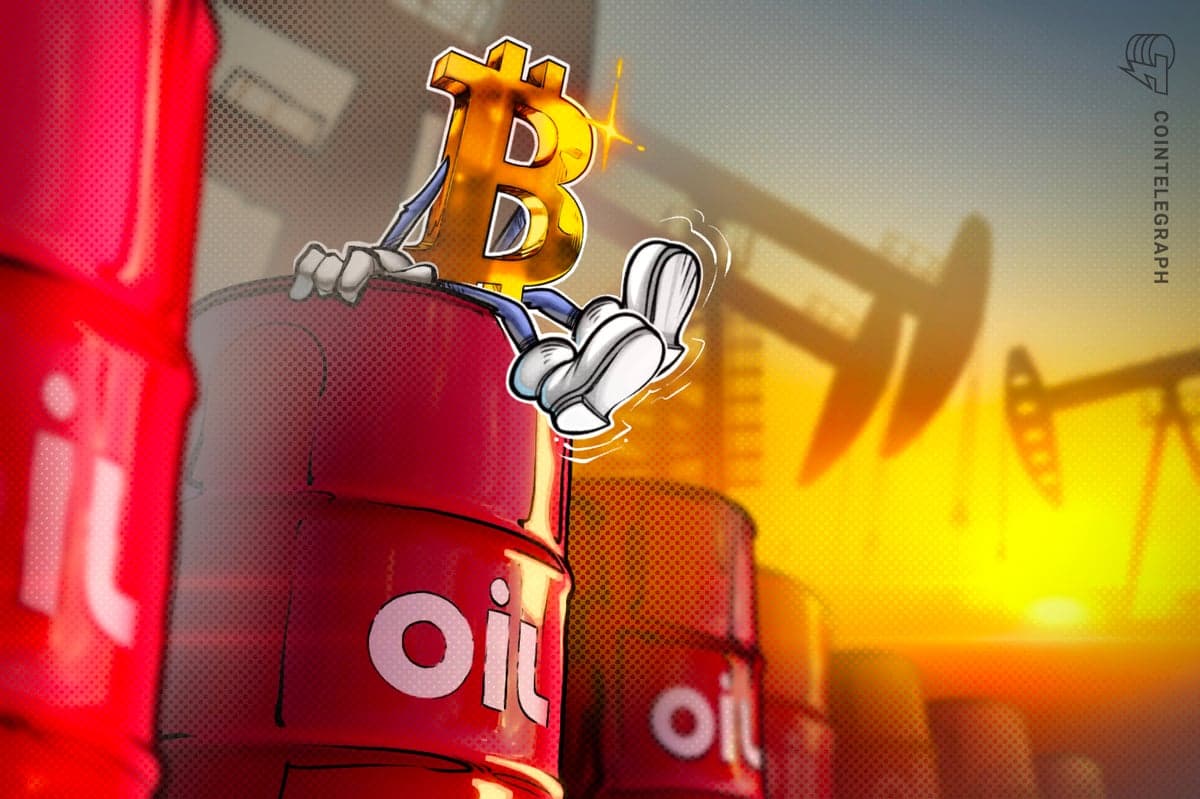
Iran is reportedly set to implement a new payment system for oil tanker transits through the strategically significant Strait of Hormuz, with plans to accept cryptocurrency and other digital payments as toll fees. According to a recent report by the Financial Times, this initiative aims to bolster Iran's revenue amidst ongoing economic sanctions and a challenging fiscal environment. This shift toward digital currencies reflects a growing trend among nations looking to leverage blockchain technology and cryptocurrencies to facilitate international trade and circumvent traditional banking systems.
The Strait of Hormuz is a critical waterway through which a significant percentage of the world’s oil supply passes, making it a focal point for geopolitical tensions and economic strategies. Iran has faced extensive sanctions from Western nations, particularly the United States, which have severely impacted its oil exports and overall economy. By adopting cryptocurrency for toll collections, Iran is not only seeking to create a new revenue stream but also to assert its independence from traditional financial mechanisms that are often influenced by foreign policies.
The implications of this move are substantial for the global oil market and the cryptocurrency space. If successful, Iran's transition to digital payments could set a precedent for other nations facing similar economic pressures. It may encourage a wider acceptance of cryptocurrencies in international trade, fundamentally altering how transactions are conducted in industries reliant on oil and gas. This could lead to increased volatility in both cryptocurrency markets and oil prices, as participants adjust to the new dynamics introduced by Iran's approach.
Industry experts have expressed mixed reactions to this development. Some see it as a pragmatic response to sanctions, potentially leading to a more significant adoption of cryptocurrencies in global trade. Others, however, caution that this move may further isolate Iran from traditional markets and financial systems, complicating its international relationships. Additionally, there are concerns regarding how this could impact the broader regulatory environment for cryptocurrencies, particularly as governments assess the implications of digital currencies being used for trade in essential commodities like oil.
Looking ahead, it will be crucial to monitor how Iran implements this strategy and the response from other nations and market participants. If the initiative proves successful, it could inspire similar moves by other countries, reshaping international trade dynamics. Moreover, the evolution of regulatory frameworks around cryptocurrency will likely be influenced by such developments, as governments grapple with the implications of digital currencies on their economies and political landscapes. As this story unfolds, we will continue to provide insights into its potential ramifications for both the crypto and oil markets.
Equipe CoinMagnetic
Investidores em cripto desde 2017. Investimos nosso proprio dinheiro e testamos cada corretora pessoalmente.
Atualizado: abril de 2026
Quer receber as noticias primeiro?
Siga nosso canal no Telegram – publicamos noticias importantes e analises.
Seguir o canal