DeFiBaixa
DeFi lost $13B this month as the KelpDAO rescue shows both the best and worst of DeFi
Fonte: CryptoSlate
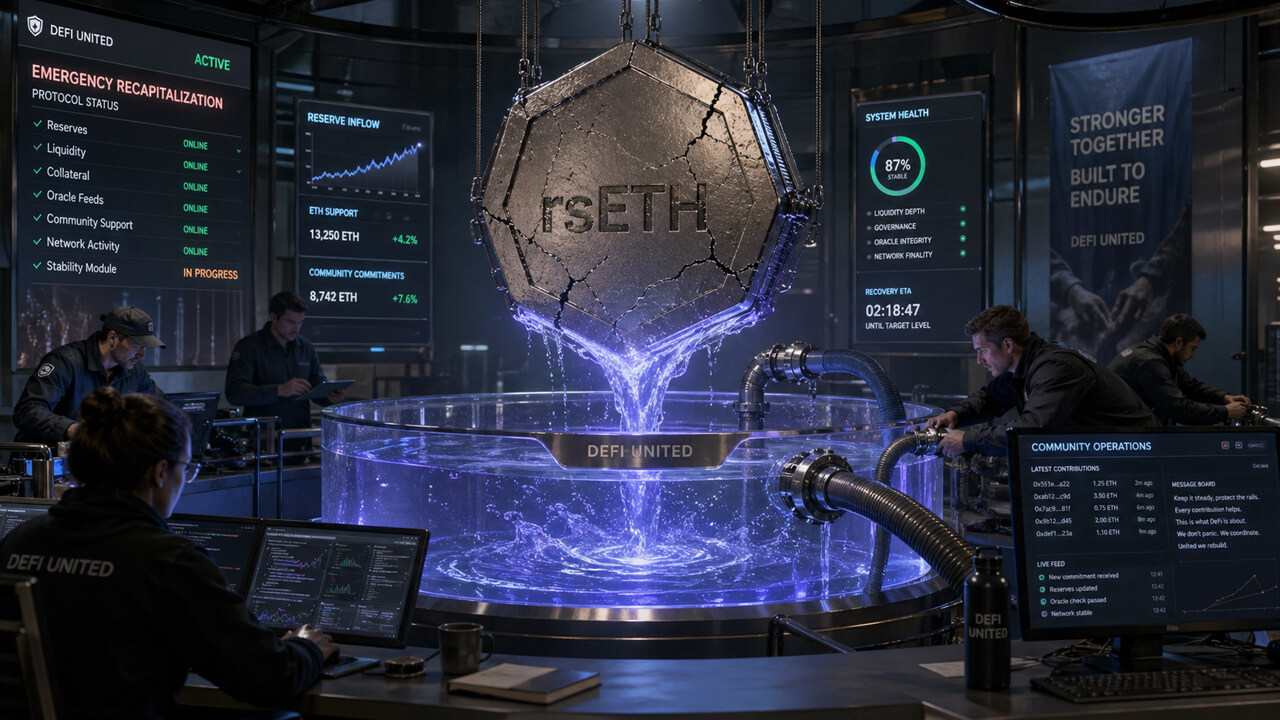
In a tumultuous month for decentralized finance (DeFi), losses have surged to an astonishing $13 billion, highlighting both the vulnerabilities and resilience of the sector. The recent efforts from KelpDAO to rescue rsETH have emerged as a critical case study in the DeFi landscape. KelpDAO's initiative, which has successfully raised over 69,550 ETH from 222 wallets through 1,623 transfers, is being dubbed as an emergency recapitalization effort–an informal lifeline for the DeFi ecosystem. This action, while commendable, underscores the lack of traditional safety nets typically found in centralized financial systems, as this initiative operates without a regulatory body or central authority.
To understand the gravity of this situation, we must consider the broader context of DeFi's rapid evolution. Originally designed to provide open and permissionless financial services, DeFi has experienced explosive growth over the past few years, attracting billions in investments. However, this growth has not come without its pitfalls. Security breaches, liquidity crises, and a lack of regulatory oversight have led to significant losses and volatility in the market. The KelpDAO rescue effort showcases the community's response to these challenges, yet it also raises questions about the sustainability and safety of such decentralized models.
The implications of this month’s $13 billion loss are far-reaching. It serves as a stark reminder of the inherent risks involved in DeFi, prompting many investors to reevaluate their positions. The KelpDAO's actions reflect a growing recognition within the industry that without some form of collective risk management, the sector may continue to face severe repercussions during downturns. This may lead to increased demand for more robust governance frameworks and safety mechanisms, which could reshape the future of DeFi.
Industry reactions to the KelpDAO initiative have been mixed. Some experts laud the effort as a demonstration of community resilience and adaptability, portraying it as a necessary evolution for DeFi. Others, however, caution that relying on such grassroots measures may not be a sustainable long-term solution. They argue that without proper regulation and oversight, the sector may be setting itself up for further instability. This discourse highlights a critical tension in the DeFi space: the balance between innovation and safety.
Looking ahead, the KelpDAO rescue could potentially set a precedent for future initiatives aimed at stabilizing the DeFi ecosystem. As the community grapples with the challenges of maintaining trust and security, we may see more formalized structures emerging to serve as safety nets for investors and users. The ongoing dialogue around governance, risk management, and regulation will be pivotal in shaping the trajectory of DeFi in the coming months. The industry will need to reflect on the lessons learned from this month's events to foster a more resilient and trustworthy decentralized financial landscape.
CM
Equipe CoinMagnetic
Investidores em cripto desde 2017. Investimos nosso proprio dinheiro e testamos cada corretora pessoalmente.
Atualizado: abril de 2026
Em nossas analises:
Quer receber as noticias primeiro?
Siga nosso canal no Telegram – publicamos noticias importantes e analises.
Seguir o canal