SegurancaBaixa
Crypto scammers offer ‘safe passage’ through Hormuz. At least one ship may have been conned.
Fonte: CoinDesk
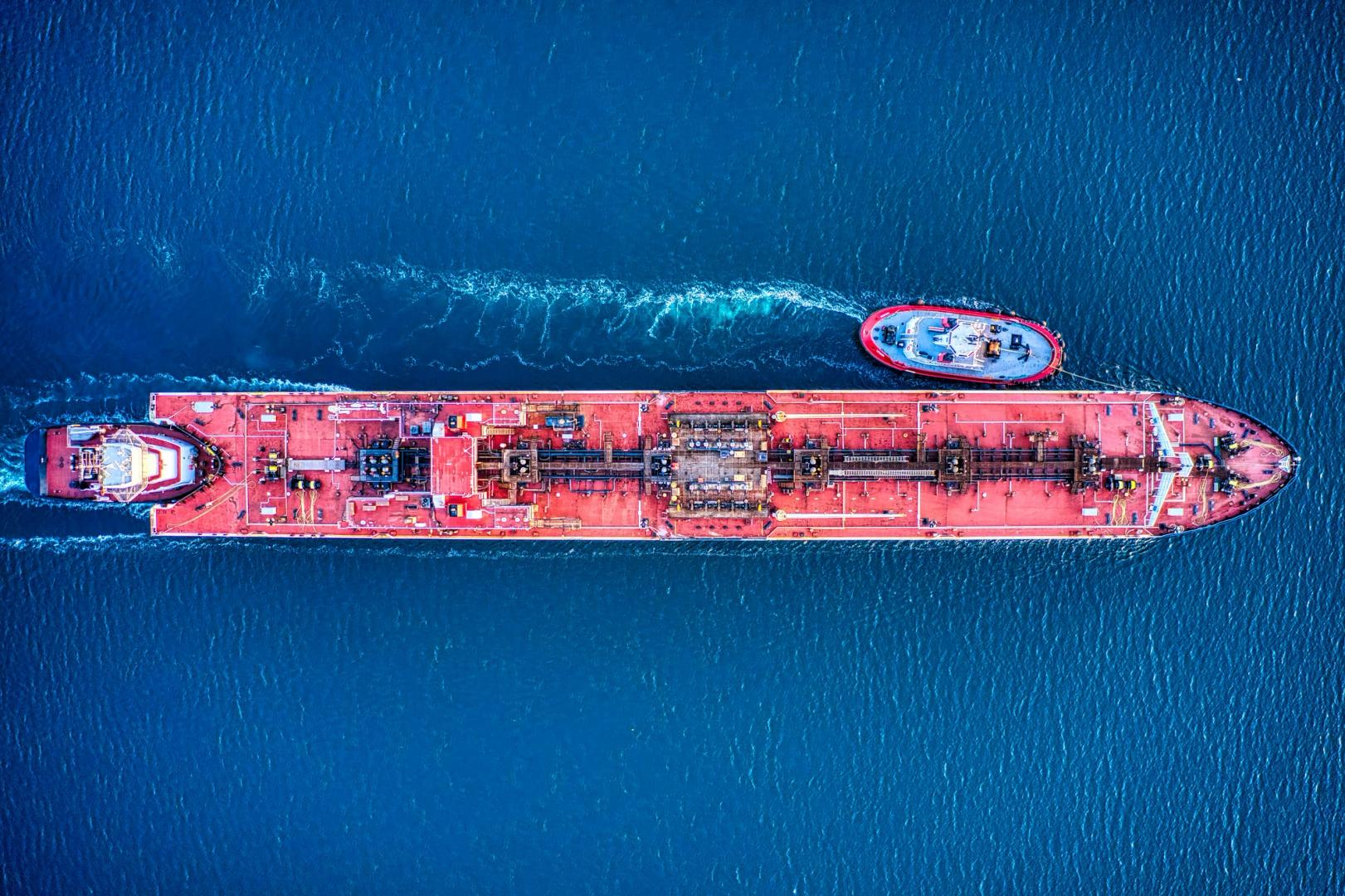
Recent reports indicate that maritime vessels navigating the Strait of Hormuz have fallen victim to a sophisticated scam, with scammers posing as Iranian authorities offering "safe passage" in exchange for cryptocurrencies such as bitcoin or USDT. Marisks, a maritime risk management company, issued a warning to ships that have been caught in the blockade, highlighting the increasing danger posed by these fraudulent schemes. At least one vessel is believed to have been conned, underscoring the potential risks that maritime operations face in these politically charged waters.
The Strait of Hormuz is a critical maritime chokepoint that accounts for a significant portion of the world’s oil supply. Tensions in the region have historically created a volatile environment for shipping, leading to various forms of maritime risk. The recent blockade has intensified these risks, with ships facing delays and potential threats from geopolitical instability. Scammers have seized this opportunity, exploiting the uncertainty to defraud vessels seeking a way to safely navigate through the strait.
This situation is particularly concerning for the cryptocurrency market, as it highlights the growing intersection between digital assets and real-world risks. The fact that scammers are using cryptocurrencies as a means of payment underscores their appeal in illicit activities, given the anonymity and speed they offer. This could lead to increased scrutiny from regulatory bodies and a push for more robust measures to combat fraud in the crypto space. The implications of such scams could also influence shipowners’ and operators’ willingness to engage in cryptocurrency transactions, potentially stifling the growing adoption of digital assets in the maritime industry.
Industry experts have expressed alarm over this development, emphasizing the need for greater awareness and education among maritime operators about the risks associated with cryptocurrencies in high-risk zones. Analysts have pointed out that the rise of such scams could lead to a deterioration of trust in cryptocurrency, especially in sectors that are beginning to explore blockchain technology and digital payments. The incident serves as a reminder that while cryptocurrencies offer opportunities for innovation, they also present vulnerabilities that can be exploited by malicious actors.
Looking ahead, it is likely that maritime authorities and companies will need to enhance their security protocols and engage in more rigorous risk assessments when operating in high-tension areas. The maritime industry may also see a push for collaboration with cybersecurity firms to develop solutions that can protect vessels from scams and fraud. As the situation evolves, it will be crucial for stakeholders to remain vigilant and proactive in safeguarding against the threats posed by scammers leveraging the complexities of the crypto landscape.
CM
Equipe CoinMagnetic
Investidores em cripto desde 2017. Investimos nosso proprio dinheiro e testamos cada corretora pessoalmente.
Atualizado: abril de 2026
Em nossas analises:
Quer receber as noticias primeiro?
Siga nosso canal no Telegram – publicamos noticias importantes e analises.
Seguir o canal