MercadoAlta
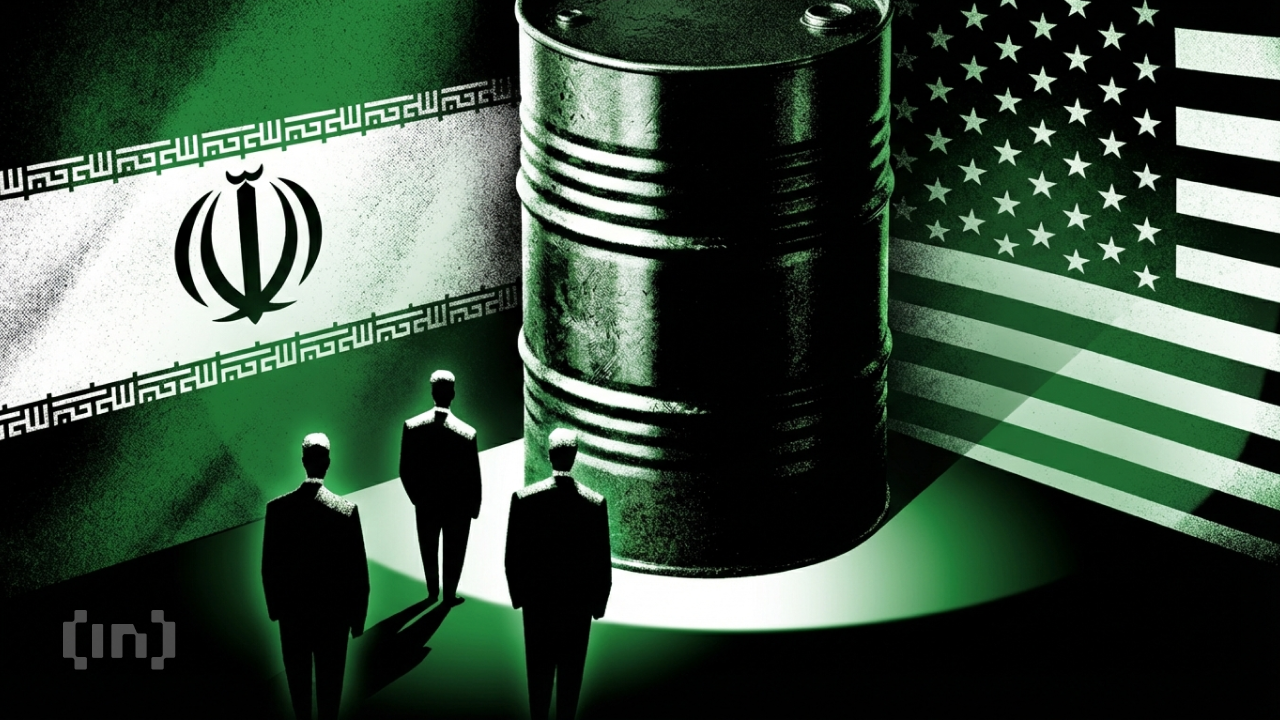
Crypto markets stall as oil surges past $100 on Strait of Hormuz blockade
Fonte: CoinDesk
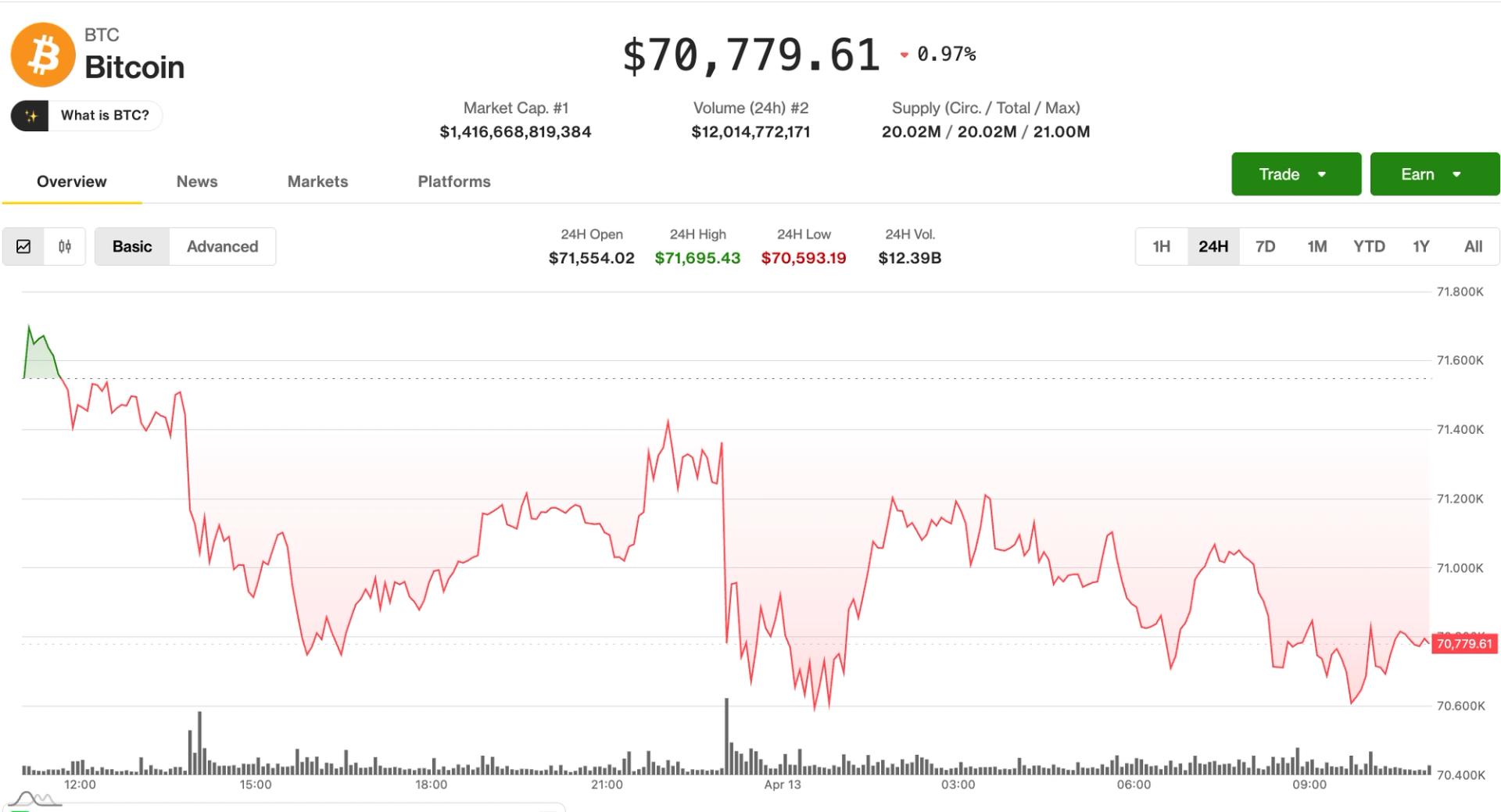
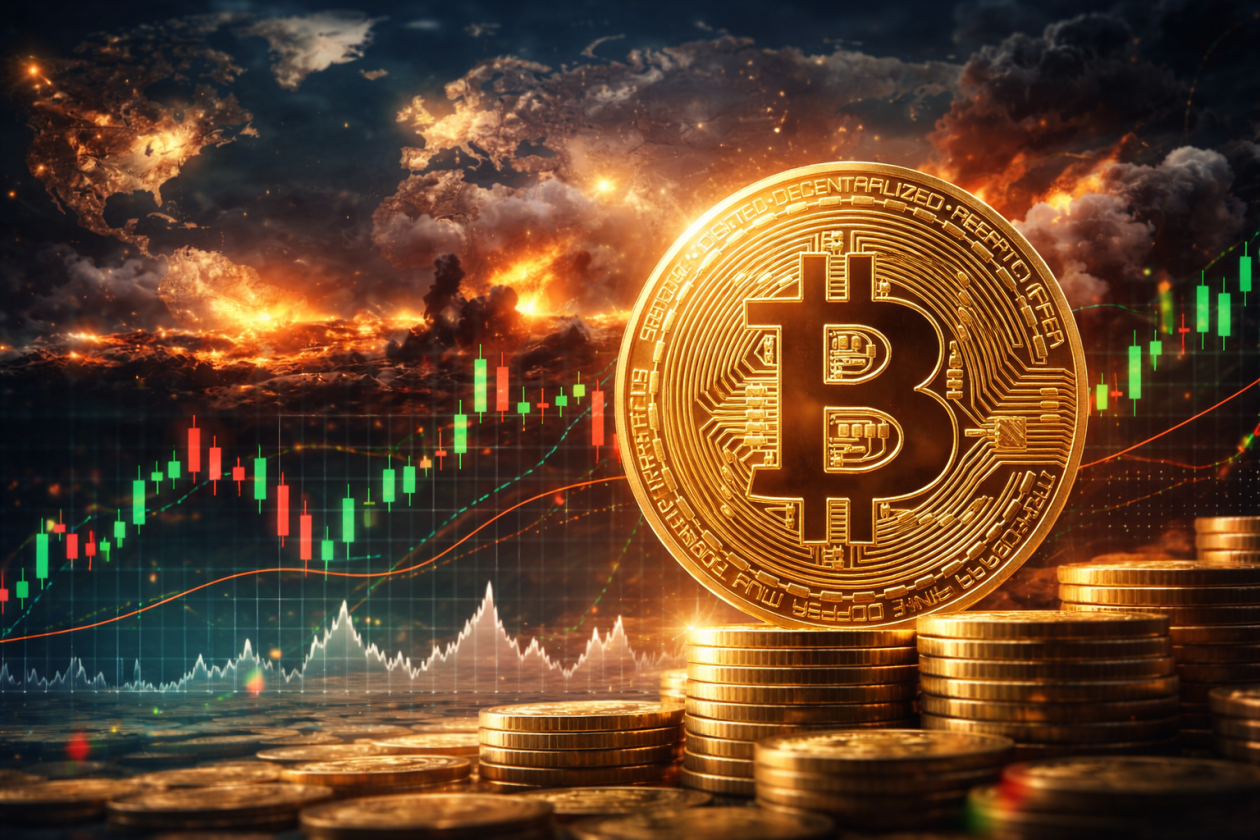
The cryptocurrency markets experienced a notable stall on Monday, with Bitcoin and Ethereum retreating in value as geopolitical tensions in the Middle East escalated. This decline coincided with a significant surge in crude oil prices, which surpassed the $100 mark following a blockade in the Strait of Hormuz. The blockade has raised concerns about supply disruptions, leading traders to adopt a more defensive stance in their derivatives positioning. This reaction highlights the interconnected nature of global markets, where developments in one sector can ripple through to others, including the volatile world of cryptocurrencies.
To understand the implications of this situation, it's essential to consider the historical context. The Strait of Hormuz is a critical chokepoint for global oil supplies, with a substantial portion of the world's oil passing through this narrow waterway. Previous conflicts in the region have led to similar spikes in oil prices, often creating a ripple effect across various asset classes. As tensions rise, investors tend to flock to safe-haven assets, which can result in a pullback for riskier investments like cryptocurrencies. This current situation is reminiscent of past instances where geopolitical unrest has influenced the crypto markets, showcasing the sensitivity of these digital assets to external shocks.
The significance of this development for the cryptocurrency market cannot be understated. As oil prices rise, inflationary pressures are likely to intensify, which can lead to increased uncertainty in financial markets. Historically, rising energy prices have been associated with lower risk appetite, prompting traders to reassess their positions. This environment can create volatility in crypto markets, as seen on Monday, where both Bitcoin and Ethereum experienced notable declines. The interplay between traditional commodities and cryptocurrencies underscores the need for investors to remain vigilant and adapt their strategies to navigate these evolving market dynamics.
Industry experts have weighed in on the situation, emphasizing the potential for further volatility in the near term. Some analysts suggest that if tensions in the Middle East continue to escalate, we may see additional pressure on risk assets, including cryptocurrencies. Others point out that while the immediate reaction may be negative, there could be long-term implications for Bitcoin and Ethereum as they increasingly become seen as alternatives to traditional financial systems. This perspective highlights the dual nature of cryptocurrencies as both speculative assets and potential hedges against geopolitical uncertainty.
Looking ahead, the market will be closely monitoring developments in the Strait of Hormuz and the broader geopolitical landscape. Traders may also keep an eye on key economic indicators, particularly those related to inflation and energy prices, as these factors will likely influence market sentiment. As the situation evolves, we expect continued volatility in both the oil and cryptocurrency markets, making it crucial for investors to stay informed and agile in their approach.
Equipe CoinMagnetic
Investidores em cripto desde 2017. Investimos nosso proprio dinheiro e testamos cada corretora pessoalmente.
Atualizado: abril de 2026
Quer receber as noticias primeiro?
Siga nosso canal no Telegram – publicamos noticias importantes e analises.
Seguir o canal