MercadoNeutro
Charles Schwab is bringing Bitcoin to its 39 million clients – but without the protections they expect
Fonte: CryptoSlate

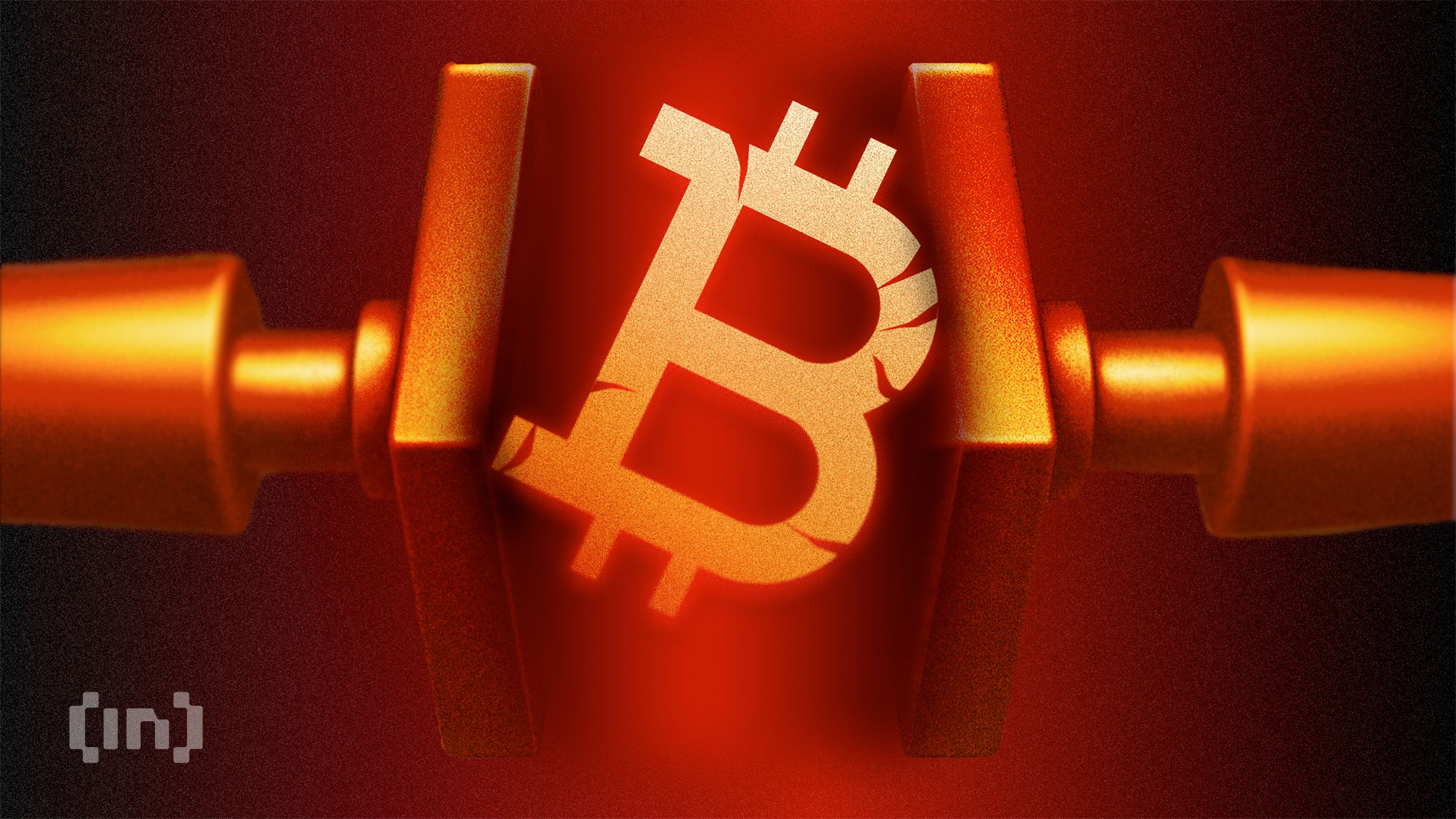
Charles Schwab has made headlines this week by announcing that it will start offering direct access to Bitcoin and Ethereum for its 39 million brokerage clients. This significant move allows clients to purchase these cryptocurrencies within their existing accounts, where they can view them alongside traditional investments like stocks, ETFs, and retirement funds. The integration promises a seamless user experience, enabling clients to trade digital assets with just a click, right next to their investments in the S&P 500 index fund. However, this initiative has raised concerns regarding the level of protection and security that may accompany these transactions.
The decision by Charles Schwab to enter the crypto space is a notable shift for a financial institution that has primarily focused on traditional investment products. In recent years, there has been a growing interest in cryptocurrencies among retail investors, which has pushed a number of established financial firms to explore entry into the digital asset market. Firms like Fidelity and Robinhood have already taken steps to offer crypto trading, and Schwab's move appears to be a response to the increasing demand for such options. Yet, despite this new offering, it is crucial to understand that investing in cryptocurrencies carries unique risks and is not covered by the same protections that clients might expect from conventional investments.
This development is significant for the market as it represents a major endorsement of cryptocurrencies by a mainstream financial institution. By making Bitcoin and Ethereum accessible within its platform, Schwab is likely to encourage more retail investors to consider digital currencies as part of their portfolios. However, the lack of traditional protections, such as FDIC insurance for bank deposits or SIPC coverage for brokerage accounts, raises questions about how investors will be safeguarded against potential losses or hacks. This situation could lead to heightened volatility in the crypto market as new investors navigate these uncertainties.
Industry experts have expressed mixed reactions to Schwab's entry into the crypto space. Some view it as a positive step towards legitimizing cryptocurrencies, suggesting that increased access could lead to broader acceptance and adoption. Others, however, have cautioned that the absence of established consumer protections may deter some investors, especially those who are already wary of the risks involved in the crypto market. Furthermore, the potential for confusion about the degree of protection available could lead to dissatisfaction among clients who expect the same level of security they receive for traditional investments.
Looking ahead, it will be interesting to see how Charles Schwab navigates the regulatory landscape as it expands its crypto offerings. The firm will need to address the concerns surrounding consumer protection and ensure that investors understand the risks associated with digital assets. As more traditional financial institutions explore similar pathways, the industry may witness an evolution in how cryptocurrencies are integrated into mainstream finance. The coming months will likely reveal whether Schwab's venture into crypto will be a catalyst for further innovation or if it will encounter challenges that could impact its broader strategy in the digital asset space.
CM
Equipe CoinMagnetic
Investidores em cripto desde 2017. Investimos nosso proprio dinheiro e testamos cada corretora pessoalmente.
Atualizado: abril de 2026
Em nossas analises:
Quer receber as noticias primeiro?
Siga nosso canal no Telegram – publicamos noticias importantes e analises.
Seguir o canal